
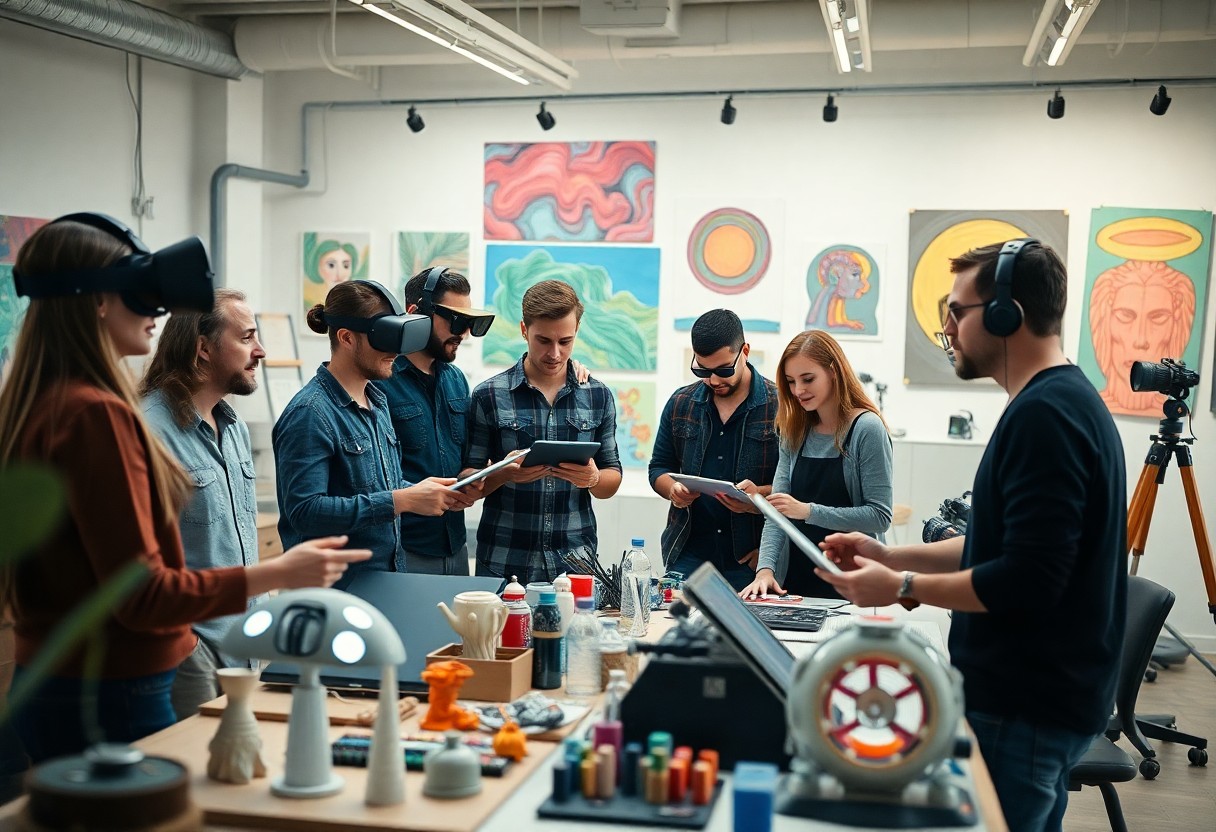
Understanding the dynamics of innovation is important for you as the creative industry landscape continues to evolve. With technology becoming an integral part of artistic expression, you’ll discover how cultural enterprises are harnessing digital tools to enhance creativity, reach wider audiences, and drive economic growth. From virtual reality in art installations to social media marketing for musicians, this post will uncover the various ways technology is shaping the business of culture today.

The Evolution of Creative Industries
For centuries, the creative industries have evolved alongside technological advancements, transforming how artists express themselves and engage with audiences. This ongoing evolution not only impacts traditional forms of art but also introduces new avenues for creativity, ranging from digital art to virtual reality experiences. As you explore these changes, it’s crucial to understand the historical context and the significant role digital transformation plays in shaping the future of creative endeavors.
Historical Context
To appreciate the current landscape of creative industries, it is vital to consider their historical evolution. From the invention of the printing press to the rise of mass media, each technological milestone has redefined how art and culture are produced and consumed. These shifts have not only democratized access to creative works but have also fostered new artistic movements and styles, influencing the way you view creativity today.
Impact of Digital Transformation
Digital transformation reshapes how you interact with creative content, paving the way for unprecedented access to artistic experiences.
With the rise of digital platforms, artists can share their work with global audiences, breaking geographical barriers that once limited exposure. You can now access a vast array of creative products, from music and literature to visual arts, all at your fingertips. This transformation has encouraged collaboration among creators across different disciplines, driving innovation and changing how art is perceived. Moreover, advancements in technologies like virtual reality and artificial intelligence are opening new pathways for immersive experiences, allowing you to engage with art in ways that were previously unimaginable.
1. Technology amplifies creativity in various industries.
2. Digital platforms enhance audience engagement and reach.
3. Streaming services revolutionize content distribution models.
4. Data analytics informs artistic decisions and marketing strategies.
5. Collaboration tools streamline workflows for creative teams.
6. Virtual reality offers immersive experiences for audiences.
Technological Innovations in Creative Sectors
One of the most significant aspects of the creative industries today is the integration of technological innovations. These advancements are reshaping how you produce, share, and experience art, design, music, and other creative endeavors. By harnessing technology, you can unlock new possibilities, enhance collaboration, and reach wider audiences than ever before. Embracing these changes not only keeps your work relevant but also positions you at the forefront of the evolving creative landscape.
The Role of AI and Automation
After years of development, artificial intelligence and automation are increasingly transforming the creative sectors. You can streamline your processes, enhance productivity, and generate unique content by leveraging AI tools. From automated design software to predictive analytics in marketing, these innovations empower you to focus more on the creative aspects of your work while relying on technology to handle repetitive tasks.
Virtual Reality and Augmented Reality Applications
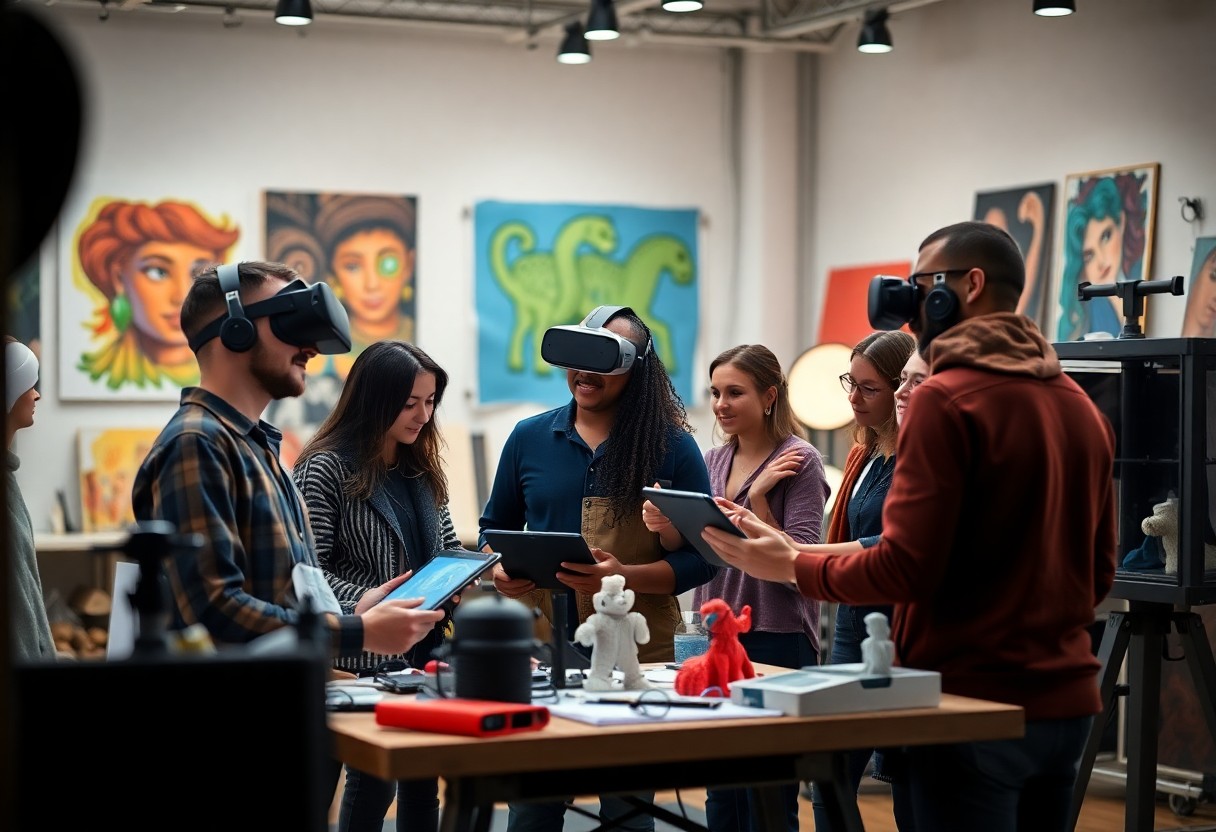
Technological advancements in virtual reality (VR) and augmented reality (AR) applications are revolutionizing how you engage with audiences. These immersive technologies allow you to create captivating experiences that go beyond conventional boundaries. By incorporating VR and AR into your projects, you can provide interactive elements that encourage deeper connections with your audience, making your work more memorable and impactful.
In fact, the potential of VR and AR applications extends to various creative fields, such as gaming, art exhibitions, and marketing campaigns. As an artist or creator, you can offer viewers the chance to explore dynamic environments or visualize products in their space, forever changing the traditional viewing experience. These technologies not only elevate the way you present your work but also foster innovation and creativity within your industry. By embracing VR and AR, you set the stage for an engaging future where creativity knows no limits.
The Intersection of Culture and Commerce
Your understanding of the intersection between culture and commerce can reshape how businesses approach their creative endeavors. By blending cultural narratives with commercial strategies, companies can tap into new markets, engage diverse audiences, and foster deeper connections that drive revenue growth. This synergy ultimately cultivates a vibrant landscape where creativity fuels business innovation, allowing brands to resonate meaningfully with consumers.
Monetizing Creative Content
At the heart of the creative industries lies the opportunity to monetize your content through various platforms and strategies. By utilizing subscription services, digital marketplaces, and targeted advertising, you can transform artistic endeavors into profitable ventures. Additionally, exploring licensing agreements and merchandising can further enhance revenue streams, ensuring that your creativity is not only celebrated but also financially sustainable.
The Influence of Social Media on Brand Engagement
Among the myriad of tools available today, social media stands out as a powerful catalyst for brand engagement. Through platforms like Instagram, Twitter, and TikTok, you can cultivate a community around your creative offerings, fostering meaningful interactions and driving loyalty. This dynamic enables you to showcase your work creatively and facilitates direct conversations with your audience, enhancing your brand’s visibility in a crowded marketplace.
Creative brands have the unique advantage of utilizing social media to amplify their stories and connect with consumers. By sharing behind-the-scenes content, engaging in real-time conversations, and responding to customer feedback, you can foster a sense of authenticity that resonates with your audience. This level of engagement not only promotes brand loyalty but also encourages user-generated content, allowing your community to become ambassadors for your creative vision. Embracing this engagement approach can significantly enhance your brand’s reach and influence in today’s digital landscape.
Challenges Facing Creative Industries
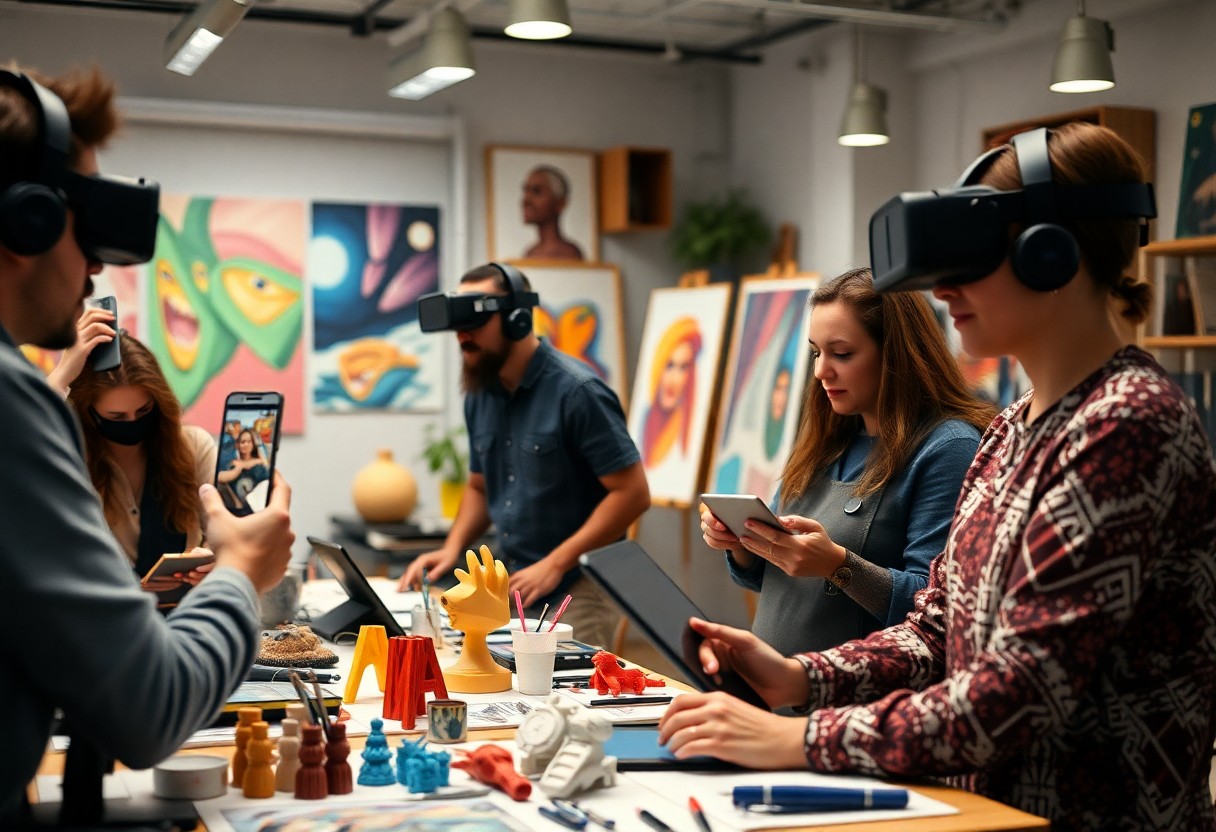
Not all aspects of the creative industries are smooth sailing; you will encounter various challenges as you navigate this dynamic landscape. From intellectual property issues to balancing innovation with tradition, these hurdles can significantly impact your creative endeavors and business growth. Understanding and addressing these challenges is necessary for sustaining success in the evolving technological environment.
Intellectual Property Issues
Among the primary concerns in creative industries are the complexities surrounding intellectual property (IP) rights. You may find it challenging to protect your original content from unauthorized use, which could potentially impact revenue and brand reputation. As technology continues to evolve, so do the methods of piracy and copyright infringement, making it increasingly crucial for you to stay informed about IP laws and best practices.
Balancing Innovation with Tradition
Facing the pressure to innovate while staying true to traditional practices can be a significant challenge for you in the creative industries. Striking the right balance enables you to attract diverse audiences while preserving the unique qualities that define your art or craft.
Also, consider that pushing boundaries can lead to fantastic breakthroughs, yet, abandoning tradition may alienate your core audience. You need to find a way to integrate modern technology with established practices, allowing you to enhance creativity while maintaining authenticity. Look for ways that technology can complement, rather than replace, traditional methods, enabling you to create a unique blend that caters to modern tastes without losing your essence.
Case Studies of Successful Technology Integration
After examining various sectors, you’ll find several compelling case studies showcasing successful technology integration in the creative industries:
- Netflix’s algorithm-driven content recommendation system increased viewer engagement by 80%, drastically reducing churn rates.
- Adobe’s Creative Cloud platform has seen a 20% rise in user subscriptions since implementing AI tools for image editing.
- Virtual reality (VR) experiences, like Oculus Story Studio’s “Henry”, attracted over 75,000 views within the first month, demonstrating the audience’s appetite for immersive storytelling.
- Snapchat’s AR features boosted user interaction by 25%, changing the landscape of advertising in the creative sector.
Film and Entertainment
Alongside traditional storytelling, the film and entertainment industry has harnessed cutting-edge technology to enhance content creation and audience experience. Streaming platforms like Hulu and Amazon Prime have enabled direct access to global markets, allowing independent filmmakers to reach broader audiences without physical distribution barriers.
Art and Design
Across the art and design world, innovative technologies have transformed how artists create and share their work. Tools like 3D modeling software and digital printing are making it easier for artists to experiment and realize complex visions without traditional constraints.
Studies show that artists utilizing digital tools experience a 40% increase in productivity. By integrating technology, you can create, collaborate, and showcase your work globally with ease. Platforms such as Behance and Instagram have revolutionized the way art is marketed, connecting artists with potential buyers and audiences worldwide, which can ultimately lead to increased sales and visibility.
Future Trends in Creative Industries
Many experts predict that upcoming trends in the creative industries will revolve around immersive technologies, such as virtual reality and augmented reality, which will redefine user engagement. You can expect to see more personalized experiences driven by data analytics and AI, allowing you to tailor content to suit your audience’s preferences. As these technologies evolve, they will open up new opportunities for creative expression and collaboration, reshaping the landscape of the industry.
Sustainability and Ethical Practices
Future developments in the creative industries will place a strong emphasis on sustainability and ethical practices. As you continue to engage with your audience, you’ll find that they increasingly value transparency and eco-friendly solutions. This commitment will not only enhance your brand but also encourage a positive impact on society and the environment.
Emerging Markets and Globalization
By leveraging globalization, creative industries are tapping into emerging markets that present untapped opportunities for growth. You will find your potential audience expanding beyond local confines, allowing for diverse collaborations, innovations, and fresh perspectives that can enrich your projects.
Trends indicate that as emerging markets gain more access to technology and resources, the global creative landscape will become more interconnected than ever. You can capitalize on this by exploring partnerships with creators worldwide, diversifying your offerings, and cultivating cultural exchange that enhances your brand’s appeal. Continued globalization not only brings fresh talent and ideas into your projects but also broadens your audience, giving you the chance to engage with people from varied backgrounds and experiences.
Conclusion
Summing up, recognizing how creative industries leverage technology can transform your understanding of the business landscape. By integrating innovative tools and platforms, you can enhance your creative output and reach wider audiences. Embracing these technological advancements not only positions you at the forefront of the industry but also equips you with the skills to adapt to the ever-changing market dynamics. As you explore these opportunities, consider how technology can elevate your creative projects and drive success in your artistic endeavors.