Category Archives: Health

How Has the Development of Technology Positively Affected Our Wellness

How Has Technology Affected Our Health? 

It’s hard to believe that just a few decades ago, many people believed that technology would have a negative impact on our wellness. After all, with the rise of social media and smartphones, it’s easy to see how some might think that technology would have a negative effect on our mental health. However, over the years there has been an increasing amount of research showing how technology can improve our wellness in many ways. In this blog post, we will explore how the development of technology has positively affected our wellness in four key areas: physical health, mental health, social connectedness, and education.

Physical Health:

It’s no secret that technology has positively affected our physical health. For one, thanks to advances in medical technology, we are now able to live longer and healthier lives than ever before. In fact, according to the World Health Organization, global life expectancy has increased by nearly 20 years over the past century due largely to advances in medical technology. Technology has also made it easier for us to lead healthier lifestyles. For example, there are now a number of apps and devices that can track our fitness goals and help us stick to them. And thanks to the rise of telemedicine, we can now consult with doctors and other healthcare professionals without having to leave our homes.

Mental Health:

In addition to physical health, technology has also had a positive impact on our mental wellbeing. For instance, social media can be used as a platform to connect with others and build relationships. Additionally, many online resources are available that can help us manage stress and anxiety. And thanks to advances in telecommunication, we can now receive mental health services from the comfort of our own homes.

Social Connectedness:

Another way that technology has positively affected our wellness is by increasing social connectedness. Thanks to the internet, we can now stay connected with friends and family members who live far away. We can also use social media to connect with like-minded individuals and build relationships. Additionally, many online resources are available that can help us find support and community.

Education:

Technology has also made it easier for us to access educational resources. We can now find information on almost any topic online, and we can even take courses and earn degrees from the comfort of our own homes. Additionally, many schools are now using technology to improve the learning experience for students.

The Benefits and Drawbacks of Our Digital Lives: How Technology Has Influenced Our Well-Being

Undoubtedly, technology has changed our lives in many ways, and some of those changes have been positive. But it’s important to remember that not all change is good, and too much of anything can be bad. When it comes to technology and our wellness, there are both pros and cons that we need to consider.

On the plus side, technology can help us stay connected to the people we love even when they live far away. We can also use social media to connect with like-minded individuals and build relationships. Additionally, many online resources are available that can help us find support and community.

Of course, there are also some downsides to consider. Too much time spent on screens can lead to eye strain and headaches. It can also be easy to get sucked into a rabbit hole of negativity when scrolling through social media. Additionally, we may start to rely on technology too much and lose important life skills in the process.

So, what does this all mean for our wellness?

Technology has both positive and negative effects on our wellness. However, the positives seem to outweigh the negatives when we consider all of the ways technology can help us improve our health and well-being. From fitness apps to online support groups, we can use technology to enhance our wellness in many ways. We just need to be mindful of how much time we spend on screens and make sure we take breaks throughout the day. With a little bit of balance, we can harness the power of technology to boost our health and happiness.

Technology has had a profound impact on our wellness. Thanks to technological advances, we are now living longer and healthier lives than ever before. Additionally, technology has made it easier for us to lead healthier lifestyles and receive mental health services. As we continue to develop new technologies, it is likely that the positive impacts on our wellness will only continue to grow.

Looking Towards the Future: Technology and Wellness

Looking ahead, the potential of technological advancements in boosting wellness is immense. Artificial Intelligence (AI) and Machine Learning (ML) are increasingly being utilized in healthcare to predict, diagnose, and treat diseases with improved accuracy. Wearable technologies and fitness trackers are becoming more sophisticated and personalized, allowing users to obtain actionable insights about their health and lifestyle.

Technologies in Mental Health

The future of mental health care also appears promising with advancements in technology. Virtual Reality (VR) is opening up new possibilities for treating mental health disorders by providing immersive therapies for conditions like Post Traumatic Stress Disorder (PTSD) and anxiety. Online therapy and counseling platforms are becoming more prevalent, offering a safe and convenient option for those who may be hesitant to seek help in traditional settings.

The Digital Divide: Accessibility and Inclusion

However, as we embrace these advancements, it’s also crucial to address the digital divide – the gap between those with easy access to technology and those without access. Ensuring accessibility and inclusion in the digital health space is paramount to avoid exacerbating health inequalities. Efforts should be focused on making these technologies affordable, user-friendly, and available across different demographic groups.

Conclusion: Achieving Balance

In conclusion, while the rise of technology brings numerous benefits to our wellness, it’s important to maintain a sense of balance. Embracing these advancements doesn’t mean we should become overly reliant on technology. Instead, we should use it as a tool to enhance traditional health and wellness practices. As we look forward to the future of technology in wellness, we must strive to leverage these advancements to promote overall health, maintain human connection, and ensure accessibility for all.


What to Eat Before a Fast

What to Eat Before a Fast

Are you looking to intermittent fast but struggling with the hunger pangs? It’s normal to feel famished when fasting, but you can do a few things to minimize those hunger pains. We’ll go through Intermittent fasting in this post, including how it works and what to eat before a fast, as well as some pointers for making your fast as pleasant as possible.

What Is Intermittent Fasting

Intermittent fasting is a dietary pattern that cycles between periods of fasting and eating. It typically involves restricting your food intake for 16 hours or more, followed by an “eating window” of eight hours or less. This doesn’t mean you have to go without food for the entire 16 hours – you can still drink water, coffee, tea, and other calorie-free beverages during this time.

There are numerous variant intermittent fasting programs, but the most popular is probably the 16:08 plan, which entails fasting for 16 hours each day and eating all of your meals within an eight-hour window. Other common intermittent fasting schedules include 18:06 (fasting for 18 hours each day), 20:04 (fasting for 20 hours each day), and 23:01 (fasting for 23 hours each day, with a one-hour eating window).

If you’re new to intermittent fasting, starting off with a more moderate approach like the 16:08 plan, is best. Once you get used to this schedule, you can experiment with longer fasting periods if you want to.

Before we dive in, it’s important to note that there is no one-size-fits-all answer to this question. What works for one person may not work for another, so it’s important to experiment and find what works best for you. With that said, let’s take a look at a few general tips that can help make fasting a little easier on your stomach.

So, What Should You Eat Before a Fast? Here Are Some Tips:

One of the most important things before starting a fast is eating a nutritious meal. This will give your body the energy it needs to get through the day without feeling too famished. A good rule of thumb is to eat foods high in protein and healthy fats, as these will help keep you fuller for longer. Some examples of such foods include eggs, avocados, nuts, and seeds.

Another helpful tip is to drink plenty of water throughout the day. This will help keep your body hydrated and prevent you from feeling too thirsty during your fast. It’s also a good idea to avoid caffeine as it can make you feel more jittery and increase feelings of hunger.

If you find that you’re still struggling with hunger pangs during your fast, there are a few hacks that can help. One is to chew on sugar-free gum or mints, as this can help trick your brain into thinking you’re eating. Another is to drink a cup of hot tea or broth, as the warmth and liquid can help fill your stomach. Whatever you do, make sure you listen to your body and stop fasting if you feel faint or dizzy.

Break the Fast Carefully

After you’ve completed your fasting period, it’s crucial to break your fast gently. Consuming a large meal immediately can shock your digestive system and lead to unpleasant side effects like bloating and indigestion. Instead, start with something light and easily digestible. A smoothie with fruits, greens, and a protein source like Greek yogurt or a protein powder is an excellent choice. Soups, broths, fresh fruits, and steamed vegetables are good options.

Importance of a Balanced Diet

While it’s crucial to know what to eat before and after fasting, it’s equally important to maintain a balanced diet during your eating window. Ensure you’re eating various foods to get a range of nutrients. Include plenty of fruits, vegetables, lean proteins, whole grains, and healthy fats in your diet. It’s not just about when you eat; what you eat matters just as much.

Monitor Your Body’s Response

Intermittent fasting can offer numerous health benefits, including weight loss, improved metabolic health, and even potentially extending lifespan. However, it’s not for everyone. Some people might feel dizzy or irritable during fasting periods, while others might find it hard to concentrate. These are signs that the body is not responding well to fasting. If you experience any adverse effects, it’s best to stop and consult a healthcare professional.

Remember, intermittent fasting is not a magic bullet for health. It’s a tool that can be beneficial when used properly, correctly, and in the context of a healthy, balanced diet. Always listen to your body and adjust your fasting and feeding schedules as needed.

How Can You Optimize Your Physical Health

When it comes to optimizing our health, most of us think about what we eat. And while diet is certainly important, other factors are also at play. In this comprehensive guide, we’ll take a look at all the ways you can optimize your physical health – from exercise and sleep to stress management and beyond!

5 Tips to Optimize Your Physical Health

Exercise

Exercise has countless benefits, and it’s one of the most important things you can do for your health. Exercise helps improve cardiovascular health, strengthens bones and muscles, helps control weight, and reduces stress. And that’s just the start!

The best exercise routine is one that includes a mix of aerobic activity and strength training. Aerobic activity, such as walking, running, or swimming, helps to increase your heart rate and improve your overall cardiovascular health. On the other hand, strength training helps build muscle and keep your bones strong.

Aim for at least 30 minutes of exercise most days of the week. If you’re just starting out, begin with shorter sessions and gradually work up to longer ones. And be sure to listen to your body – if you’re feeling pain or discomfort, stop and rest.

Sleep

Most people need around eight hours of sleep per night. Sleep is important for our physical and mental health. When we don’t get enough sleep, we’re more likely to be tired during the day, have trouble concentrating, and be more prone to accidents. We’re also at greater risk for obesity, heart disease, and other chronic health problems.

Getting enough sleep is critical for good health. When we sleep, our bodies have a chance to rest and repair themselves. Sleep also helps to regulate our hormones and mood.

Most adults need between seven and eight hours of sleep each night. If you’re having trouble sleeping, there are a few things you can try:

  • Establish a regular sleep schedule and stick to it as much as possible. This means going to bed and waking up at the same time every day, even on weekends.
  • Create a relaxing bedtime routine, including 30 minutes before turning off the lights. During this time, you can read or take a bath.
  • Avoid caffeine in the afternoon and evening and alcohol before bedtime. Both of these substances can interfere with sleep.
  • Keep your bedroom cool, dark, and quiet – create an environment that’s conducive to sleep.
  • If you can’t fall asleep after 20 minutes, get up and do something else until you feel tired again. This will help to avoid restless nights spent tossing and turning.

Stress Management

Stress can take a toll on our bodies – both mentally and physically. That’s why it’s important to find healthy ways to manage stress. Some good stress management techniques include exercise, relaxation methods (like yoga or meditation), and spending time with friends and family.

Eating a Healthy Diet

What we eat has a direct impact on our physical health. Eating a healthy diet is important for maintaining a well-balanced weight, reducing the risk of chronic diseases, and providing the nutrients our bodies need to function properly.

Eating a healthy diet is one of the most important things you can do for your physical health. Focus on eating plenty of fruits, vegetables, whole grains, and lean protein. And limit unhealthy foods like sugary drinks, processed meats, and refined carbs. By making healthier choices, you’ll not only feel better day-to-day, but you’ll also reduce your risk for chronic diseases like heart disease and diabetes.

Keep in Touch With Your Physician on a Regular Basis

Visit your doctor regularly for check-ups and screenings. These appointments are important for catching any health concerns early when they’re most treatable. And be sure to stay up-to-date on your vaccinations. Vaccines help protect you from serious illnesses like the flu or HPV.

Stay Hydrated

Water plays a vital role in supporting various bodily functions such as digestion, absorption, circulation, creation of saliva, transportation of nutrients, and maintenance of body temperature. Being adequately hydrated can help in improving your physical performance, energy levels, and brain function. So make sure to drink enough water throughout the day. The typical recommendation is eight 8-ounce glasses, which equals about 2 liters, or half a gallon per day. However, individual needs vary depending on different factors like activity level, age, and climate.

Limit Alcohol and Avoid Smoking

Consuming alcohol in moderation or avoiding it altogether can have significant health benefits. While occasional social drinking isn’t harmful, excessive alcohol consumption can lead to serious health issues like liver disease, heart disease, and cancer. Moreover, smoking is one of the leading causes of preventable deaths worldwide. It’s linked to many health problems, so avoiding smoking or quitting if you smoke can significantly improve your overall health.

Regular Screen Breaks

In our digital world, we spend most of our time sitting in front of screens for work or leisure. This continuous screen time can lead to physical discomforts like neck or back pain and eye strain. It’s important to take regular breaks from the screen every hour or so, stretch your body, and rest your eyes to maintain your physical health.

Following these tips and those mentioned above can greatly help you optimize your physical health. It’s all about making small changes and being consistent with them. Remember, your health is in your hands, and the decisions you make every day can shape your well-being.

Why Are Regular Visits to the Doctor Important for Maintaining Your Optimal Immune Health?

Why Are Regular Visits to the Doctor Important for Maintaining Your Optimal Immune Health?

No one likes to get sick. It’s the worst feeling in the world and can keep you from doing the things you love. That’s why it’s important to do everything possible to maintain optimal immune health. One of the best ways to do that is by regularly visiting your doctor for checkups. In this blog post, we will discuss the importance of regular doctor visits and why they are so important for maintaining your immune health!

When you visit the doctor, they will often do a general checkup to ensure everything is functioning properly. This includes checking your blood pressure, heart rate, and weight. They will also take a look at your medical history and any medications you are currently taking. All of this information helps them identify any potential health concerns you may have.

The doctor will also ask you about your lifestyle and diet during your visit. They may even recommend some changes that could help improve your overall health. For example, they may suggest adding more fruits and vegetables to your diet or exercising more frequently. These recommendations can help boost your immune system and keep you from getting sick in the future.

It’s important to remember that the doctor is there to help you. They want you to be as healthy as possible and will do everything they can to ensure that you are. So, if you have any concerns about your health, be sure to schedule an appointment with your doctor today. It could be the best decision you ever make for your overall health and well-being.

What Is the Immune System and What Does It Do for the Body?

The immune system is a network of cells, tissues, and organs that work together to protect the body from infection. The immune system’s main job is to keep harmful substances, like bacteria and viruses, out of the body. It also helps to destroy these harmful substances once they have entered the body.

There are two types of immunity: innate (natural) immunity and acquired (adaptive) immunity. You are born with innate immunity – it’s your first line of defense against infection. Acquired immunity develops over time and is based on previous exposure to a particular disease-causing agent. For example, if you have had chickenpox in the past, your body will develop antibodies that will help protect you from getting chickenpox again.

There are a number of things you can do to keep your immune system healthy and functioning properly. One of the most important things is to get regular medical check-ups and screenings, especially as you get older. These check-ups can help detect problems early before they become more serious. Other things you can do include:

  • Eating a healthy diet
  • Getting plenty of exercises
  • Getting enough sleep
  • Managing stress levels
  • Not smoking

All of these lifestyle choices play an important role in maintaining a strong and healthy immune system. So, if you want to keep your immune system functioning optimally, be sure to schedule regular doctor’s visits and take care of yourself.

That’s why regular visits to the doctor are so important. By seeing your doctor on a regular basis, you’re able to catch any problems that might be developing before they become serious.

So, if you want to maintain your optimal immune health, schedule regular visits with your doctor. It could make all the difference in staying healthy and keeping your immune system strong.

Regular visits to the doctor is an important part of maintaining optimal immune health. By catching problems early and getting preventative care, you can keep your immune system strong and avoid getting sick.

The Role of Vaccinations in Enhancing Immune Health

Vaccinations constitute a key component in bolstering your immune health. They work by imitating an infection, which prompts your immune system to produce T-lymphocytes and antibodies. Even after the infection is dealt with, our body retains a few T-lymphocytes, also known as memory cells, that jump into action if the body encounters the same germs again, leading to a faster and more effective response.

Vaccinations are thus a proactive measure for bolstering your immune health. They preemptively equip the immune system to fight off potential diseases. It is recommendable to follow the vaccination schedule provided by your doctor or local health department, as this ensures your immune system is ready to tackle a variety of diseases.

Remember that vaccinations are not just for children. Adults also require certain vaccinations based on their age, health condition, job, travel habits, and immunization history. Consult with your doctor to ensure you’re up to date with the necessary vaccines to fortify your immune health.

Healthy Skincare Tips for Every Skin Type

Everyone wants healthy skin, but not everyone knows how to go about doing it. Skincare is a sensitive subject with many different opinions on what works best for the individual.

Skincare Tips For Every Skin Type

Want to know how you can take care of your skin, no matter what type it may be? Then stay tuned! We’ll get into the specifics in just a moment.

Learn About Your Skin Type

There are many different skin types, so it’s important to define yours before creating a routine. For example, if you have oily skin, look for products that help prevent acne and unclog pores while hydrating the top layer of your epidermis. However, avoid scrubs if you have dry or sensitive skin, as they may damage the fragile barrier. Moreover, consider using serums that penetrate deeper into your dermis in order to provide hydration without drying out too much moisture from the surface!

According to Chic la Vie Med Spa, many skincare products can maximize your skincare regimen. The treatments and techniques depend on your skin type, so it is important to know what kind you have before choosing which ones work best for you.

Dry, Flaky Skin

To prevent dry skin, limit yourself to short showers only once daily. Wash with a gentle cleanser that doesn’t contain alcohol or fragrance, then pat your skin dry and apply moisturizer throughout the day for hydration. Use emollient ingredients in cream-based moisturizers, which you reapply during the course of the day as well as use an exfoliator weekly so dead cells don’t build up on top of healthy ones causing flakiness, scaling, etc.

Oily Skin

A dermatologist will be able to provide you with specific advice on your skin type, but in general, it’s best that individuals suffering from dry or sensitive skin use gentle cleansing products sulfate-free cleansers are ideal as they do not strip the natural oils essential for healthy hydrated looking skin.

Oily skin can be shiny and greasy with enlarged pores. It should have 2 daily washes using a salicylic acid cleanser that could help keep pores unclogged, but it shouldn’t be scrubbed harshly. The product used must not say ‘non-comedogenic as this means they are likely to clog the pores instead of cleaning them off, which is what we want for oily skins!

Combination Skin

For those with combination skin, it can be difficult to balance the needs of dry and oily areas. It’s important to use a moisturizer on your cheeks but reduce excess oil with products containing salicylic acid in other parts, such as the forehead, nose, and chin. Use a gentle cleanser along with an exfoliator once per week also works well for a clear healthy-looking complexion!

Normal-Looking Skin

Having normal skin means you are one of the lucky ones who don’t have to worry about breakouts or redness. However, following a healthy skincare routine is still important if you want your skin to look good and feel great. Here are some tips that every type needs: use a gentle cleanser along with moisturizer daily, then protect yourself from both UVA & UVB rays by applying sunscreen regularly throughout the year.

Sensitive Skin

Sensitive skin can be related to underlying skin conditions, stress, sleep deprivation, and environmental factors. It may sting or burn when applying new products, especially with fragrance or preservatives in it.

Opt for a non-foaming face wash to avoid stripping the skin’s natural lipids. Green tea is an excellent anti-inflammatory ingredient that can help calm irritated skin. In addition to using sunscreen with zinc oxide or titanium dioxide as the active ingredient rather than chemical blockers, those who want their makeup routine streamlined might consider choosing mineral powder foundation over liquid foundations and tinted moisturizers.

Adopting a Consistent Skincare Routine

Regardless of your skin type, consistency is key to maintaining healthy skin. Start by cleansing your face twice daily with a product suitable for your skin. Follow with a toner to balance your skin’s pH levels and prepare it for the next steps of your routine.

Moisturizing and Protecting

Don’t forget to moisturize your skin daily. Even oily skin types can benefit from hydration, so choose a light, non-comedogenic moisturizer if you fall into this category. For dry skin, a heavier moisturizer might be necessary. Protection is also vital, so apply sunscreen with at least an SPF of 30 every day, regardless of the weather.

The Role of Diet and Lifestyle in Skincare

Your diet and lifestyle habits also play a significant role in the health of your skin. Consuming an antioxidant-rich diet full of fruits and vegetables can help combat premature aging. Additionally, regular exercise can improve circulation, contributing to a healthy, youthful complexion. Avoid smoking and limit alcohol consumption, as both can dehydrate the skin and accelerate aging.

Understanding the Effects of Stress

Never underestimate the effects of stress on your skin. High-stress levels can trigger breakouts and other skin problems. Therefore, adopting stress-management techniques like yoga, meditation, and deep breathing exercises can greatly benefit your overall skin health.

You can achieve and maintain radiant, healthy skin by understanding your skin type and implementing a consistent, effective skincare routine. Remember, the best skincare routine is the one you’ll stick to!

Chic la Vie Med Spa’s Skincare Specialists Are Here to Help

If you or a family member suffer from an itchy, painful, or irritating skin condition and want to schedule a consultation with Chic la Vie Med Spa dermatologists in the Las Vegas area, contact them at (702) 233-8535.

5 Self-Care Practices Everyone Needs

If you’re feeling overwhelmed, the best way to get back on track is with some self-care. Meditation can be calming and relaxing but it won’t do any good if your body needs sleep or else when trying meditation will just cause drowsiness because we all have natural rhythms that need satisfying in order for us to feel our most capable selves!

When it comes to relieving stress, exercise doesn’t always work. In fact, the more you work out and eat cleanly, often enough will actually reduce your chances of finding relief from a workout routine by fueling up on processed food that does little for mental or physical health in general. It’s important first things come before all else so make sure these basics are taken care of with some healthy low-processed goodies too!

Self-care is an important aspect of life that many people either don’t have time for or simply forget about. As a society, we are so focused on making money and being successful that we forget to take care of ourselves. It’s not always easy to remember to do things like drink water, eat healthy food, or get enough sleep.

What Is Self-Care?

Self-care is “a complex, varied method of meaningful engagement in methods that improve healthy functioning and well-being.” Self-care refers to people’s deliberate actions to support their mental, emotional, and physical well-being.

Building resilience to the stresses you cannot wholly remove requires self-care. You’ll be better positioned to live the life you want when you take steps to care for your body and mind.

Sadly, though, a lot of individuals consider self-care to be a luxury as opposed to a necessity. As a result, people experience fatigue, overwhelmedness, and a lack of readiness for life’s unavoidable obstacles.

Evaluating self-care practices across several domains is critical to ensure you care for your body, spirit, and mind.

Why Is Self-Care Important?

Excellent self-care practices have demonstrated several essential health benefits. A few of these consist of:

  • Reducing depression and anxiety
  • Improving resilience and reducing stress
  • Improve happiness
  • Increasing energy
  • Reduce burnout
  • Strong interpersonal relationships

The World Health Organization (WHO) states that self-care is critical for promoting health, preventing disease, and assisting individuals in managing their condition.

Certain self-care practices have also been connected to other wellness and health advantages, such as a longer life span. Sleep, exercise, and discovering a life’s purpose have all been linked to longer lifespans.

5 self-care practices everyone needs in their lives you’ll be able to stay healthy and happy!

Self-Care for Your Physical Body

You deserve a break from your busy life and it’s never too late to take care of yourself. You need fresh air, good food in order for the body clock’s circadian rhythms (it helps regulate things like sleep) as well as restorative practices like meditation or yoga that will refresh you mentally so keep up these habits if you want is happy all day long!

A holistic approach to self-care means taking into account your physical health and wellness, which includes what you’re fueling with food as well as the amount of sleep. It also requires regular exercise that helps maintain good posture while working out or exercising; some people may need medical supervision for this type if their lifestyle doesn’t allow them enough time in order to achieve desired goals without it!

Self-Care for the Social Self

Socialization has a lot of benefits, including making time for friends. But often we’re so caught up with work and family obligations that it becomes difficult to prioritize our social lives in addition to the duties they have elsewhere on their schedules as well- such as taking care of you!

In order to have the most optimal social life, it is important that you figure out what your needs are for friends and work on/with them. Everyone has slightly different requirements in this area so there’s no set number of hours they should dedicate! The key component will be finding a balance between both obligations when deciding how much time per day or week one spends with people outside their immediate family whom we’re not related by blood relation (i.e., coworkers).

Self-care for the mind

Mental self-care means doing things that keep your mind sharp, like puzzles or learning about a subject that fascinates you. You might find reading books and watching movies are also good for mental well-being as they inspire us to be more creative in life!

Mental wellness is all about taking care of yourself by finding time each day where we can both nourish ourselves mentally while still meeting other responsibilities such as family obligations/social networking websites etc., with an emphasis on psychological health – making sure it has some form(s) from these activities: creativity (creative thinking), communication skills & emotional balance through meditation/prayer; keeping our thoughts positive so they don’t eat away at us through self-talk; and planning to deal with life’s challenges (financial, relationship, personal) in healthy ways.

Self-Care for Your Spiritual Self

People have a natural desire to live their best life and find meaning in what they do. Spiritual self-care can involve anything from meditation, attending religious services, or even praying; all of these activities help the individual connect better with themselves as well as others around them.

Self-Care for Emotions

People often neglect their emotional well-being, but it’s an important part of living. When you’re feeling angry or sad it can be helpful to talk about your feelings with someone close to try and release some of the tension that is building up inside us all at one time or another in life. It might also help if we took some deep breaths every now then!

Create a Self-Care Plan for yourself

Self-care is not about one size fits all. It has to be tailored to you and what’s going on in your life at any given time, because everyone needs something different from themselves!

6 Ways To Prioritize Your Mental Health

Many people don’t take care of their mental health. They go about their day running on fumes, working long hours, and ignoring their physical and emotional needs themselves. This is not sustainable in the long run, as your body will eventually break down if you don’t prioritize taking care of yourself.

The same standards of care and attention should be applied to your mental health as to your physical health.

No one needs a break as much as we do, and yet when the time comes for us to take care of ourselves it can feel selfish. But self-care is not just about your mental health; in fact, neglecting this basic need leads many people down dark paths that leave them feeling anxious or depressed–or both! It’s important you find ways (new routines) to maintain healthy relationships with yourself so stress doesn’t get the best of you.

Why Do You Need To Prioritize Your Mental Health?

Prioritizing mental health is essential for a happy, fulfilling life, especially in our fast-paced world. Neglecting it can have significant consequences.

Here are several reasons why you need to prioritize your mental health:

  • Emotional Well-being: Your mental health significantly influences your emotional well-being. When you prioritize your mental health, you’re better equipped to handle stress, anxiety, and other emotional challenges that life throws at you. It allows you to experience a greater sense of inner peace and contentment.
  • Physical Health: Surprisingly, your mental health is closely connected to your physical health. Chronic stress and mental health issues can take a toll on your body, leading to a weakened immune system, sleep disturbances, and even chronic illnesses. By addressing your mental health, you can improve your overall physical well-being.
  • Productivity: Your mental health has a significant impact on your productivity. When you’re mentally well, you can focus better, make sound decisions, and perform at your best, personally and professionally. Neglecting your mental health can lead to decreased productivity and missed opportunities.

Here are six ways you can improve your mental health and happiness

Stand up to your own negative self-talk.

A lot of people think they are the only one who feels this way, but it turns out that everyone has moments where their negative voice takes control. When you notice yourself beating up on yourself and telling a self-defeating story about how things will never get better or ever change in your life—simply say “stop” to bring attention back into conscious awareness with openmindedness —the kinder part within becomes powerful over time!

Interrupt the recurrent thinking

It’s easy to get sucked into a cycle of self-doubt and worry when you’re stuck with repetitive thoughts. Meditating, however, builds concentration so that we have the strength needed not just for now but also in moments where our minds are lost among all those “what if” scenarios or ‘if only’ wishes!

When you want to decline, stop agreeing

Your time is a precious resource. You need to make choices about how you spend it, and if trying to be everyone’s friend isn’t working for your well-being or happiness then maybe focusing on what really makes YOU happy will!

Tune into your requirements and appreciate them

The modern world is a digital one, and we rely on screens for entertainment. But it’s important to take care of ourselves when spending time in front of them- are you thirsty? Hungry? Craving connection or needful break from your device! What kind of support do think would best suit me at this moment?”

Improve your physical fitness

Technology has become an inescapable part of life. Yet, we often find ourselves sitting down with screens day and night as they drain our energy levels without any reward for movement other than temporary relief from stress or boredom – which can lead us into a never-ending cycle where checking social media becomes necessary to keep up appearances! Making time management easy by prepping activities like walking beforehand will allow you more opportunities throughout your week via spontaneous snippets so that “screen-free” doesn’t feel too difficult anymore.

When you need assistance, remember to ask for it

When life gets tough, it can be tempting to retreat into ourselves. This is a mistake as we are not meant for hard times in isolation – reaching out and finding support will always have benefits!

Conclusion

Prioritizing your mental health is a vital aspect of overall well-being, and the six strategies outlined here provide a comprehensive approach to achieving that goal. You can build a strong foundation for mental resilience and happiness.

Remember that taking care of your mental health is an ongoing process. So, investing in your mental health is a priority because a healthier mind ultimately leads to a happier and more fulfilling life.

7 Steps To A Skincare Routine For Dry Skin

There are many reasons why people have dry skin. There might be a medical condition or maybe you use harsh soaps or cleansers on your face. Whatever the reason, it is important to take care of your skin to help prevent future problems.

Making sure you have the right skincare can help keep your skin smooth and glowing year-round. When it is hot outside with high humidity levels, most people are at their worst for dryness; however, they might be experiencing opposite conditions in winter or during times of lower climate pressure—these types of conditions can be just as bad for dry skin.

This blog post will give you 7 steps that can help improve your dry skin and create a skincare routine for dry skin!

7 Skincare Tips For Dry Skin

Use warm water if necessary

Why not take a lukewarm shower and then put on some heat while you binge-watch your favorite show? It is said that hot water strips the skin of oils, but this doesn’t have to be the case. Instead, try taking care of both body and soul with an extra-long soak in soothingly warm water!

When it comes to cleaning, be gentle

Some people prefer a no-rinse cleansing option, which can be just as effective at getting rid of dirt and makeup without the need for harsh ingredients. If you’re partial to this approach then use lukewarm water with a gentle cleanser that won’t leave your face feeling tight after use!

The idea behind dry skin facewashes originated from traditional Arabic/Indian “oil soap” formulations using olive oil or coconut milk primarily because it held well in suspension while being able to provide emollient properties on contact surface area through moisturization rather than solely detergency.

As discussed earlier in dry skin, the top layer of your epidermis is not only flaky and dull but also lacks natural lipids that help lock in moisture. Using a face scrub with exfoliating beads will remove dead skin cells to reveal new ones which can add an additional level of protection against environmental damage such as pollution or UV rays.

Exfoliate

It’s not just your face that needs exfoliating. For dry skin, a weekly scrub with gentle ingredients is enough to reveal the beautiful natural glow beneath – without making you look older than expected!

Moisturize Dry Skin

After cleansing or moisturizing, apply a soft-finish moisturizer to lock in all that water. Before applying it allow your skin time for air drying and do not towel dry as doing so will reduce its effectiveness

The best time to moisturize is when you first get up in the morning. The skin on your face will have absorbed most of what’s on it by then, but if not – there are two options: either pat yourself down with a tissue or gently rub some lotion into any dry patches before bed for protection at night (you don’t want new spots!).

Take sun protection very seriously

Sun exposure can cause cellular damage, which seeps the moisture right out of your skin. Wear sunscreen and seek shade whenever possible to protect yourself from sunburns or premature aging caused by this factor!

Masque your face

You may have heard that masques are relaxing, but did you know they also provide stress relief? The gentle skincare moisturizers and creams in your routine can clog pores over time. Use a dry skin-specific mask to lift impurities from the surface of your face while leaving it feeling soft healthy refreshed with no trace left behind!

Take good care of your lips

If you want to make your lips more kissable, use a specially formulated lip moisturizer. It will keep them healthy and full of lusciousness!

With the right guidance, you can have a soft and glowing complexion year-round. These seven tips will help dry skin stay healthy so it’s not always irritated by irritation!

To learn more about skincare for dry skin in the Las Vegas area, schedule a consultation with Chic la Vie Med Spa. Call (702) 233-8535 to talk with a Las Vegas dermatologist about maintaining healthy-looking skin!

The Health Benefits Of Owning a Pet

Pets are often considered to be man’s best friend. They provide unconditional love, which can help reduce stress and anxiety levels. Owning a pet also provides many health benefits to the owner, including lower blood pressure and cholesterol levels, improved cardiovascular health, lowered risk of obesity, decreased loneliness rates among older people or those with disabilities, and even increased life expectancy if they’re living alone. Pets can also improve your mood by stimulating endorphins in the brain that create positive feelings like happiness or excitement.

https://youtu.be/h0cdyJIzKUU

5 Ways Pets Can Improve Your Health

A pet is a great friend. Pets lower blood pressure and lessen anxiety, boost our immunity to illness by exposing us in an intimate way than most people will ever get the chance to be with loved ones or friends on their own level–all while providing companionship when we need it most!

Lower blood pressure and cholesterol

The American Heart Association reports that owning a dog can lower your risk of developing heart disease. Dog-owners seem especially prone to having healthier lifestyles than those without pets because they walk their dogs more often and engage in other forms of physical activity like fetching balls or playing soccer with them outside on leashes! One study even found the average amount spent time exercising by both groups was about an hour per week – but this number increased when owners were allowed to take advantage during walks (56 minutes).

This passage details why pet ownership may be linked not just physically healthy behaviors such as getting enough sleep daily which is also beneficial factors associated with healthy lifestyles which can also be related to better work performance and for the family.

Owning a pet is not just connected with having healthier lifestyles but it could help reduce stress levels too! In addition, owning a pet has been found in several studies to improve mental health because of this reason.

You may become less lonely

Pets are great for people to get out of their solitary or crowded living situations. Pets help them feel less isolated and alone, which can lead to depression if they don’t have any form of emotional support systems in place like pets! This bond also gives you one-on-one companionship that helps keep up your socializing with others around the neighborhood – bonus points if it’s our furry friend on four paws by your side during these walks too!

Buffer against stress

Cuddling with your four-legged friend is the best way to have a bad day. Studies show that people who interact regularly are more likely to feel calm, safe, and comfortable in their own skin! It’s no wonder pet owners rave about how much these interactions brightened up their lives when they had been feeling stressed or down for days on end before cuddling time rolled around again.

Reduce weight gain

Researchers have found that dog walking may help to lower the risk of obesity for seniors and those who live with active pets. They also report many health benefits including lowering body mass index (BMI), reducing doctor visits, improving blood pressure control as well as other cardiovascular woes like diabetes or high cholesterol levels-all thanks in part to physical exercise!

Keep allergies at bay

Cats and dogs provide a protective effect to kids, especially those who grow up with pets. Research shows that children are less likely to be allergic if they have exposure in their early years of life which is why one theory behind this phenomenon could be because these animals’ dirt or bacteria helps build immunity against them when adults get sick later on down the line!

The research is clear — owning a pet can improve your mental and physical health. In fact, some studies have shown that people who own pets are happier than those without them! Not only do they provide companionship for you but when adopting from shelters or rescuing from euthanasia it is not just about giving an animal their forever home; in many cases, there may be a more potential human-animal bond formed between these types of adoptions due to the one on one time spent getting acquainted which could potentially help humans re-establish connections within themselves too (especially if they’ve been feeling lonely).

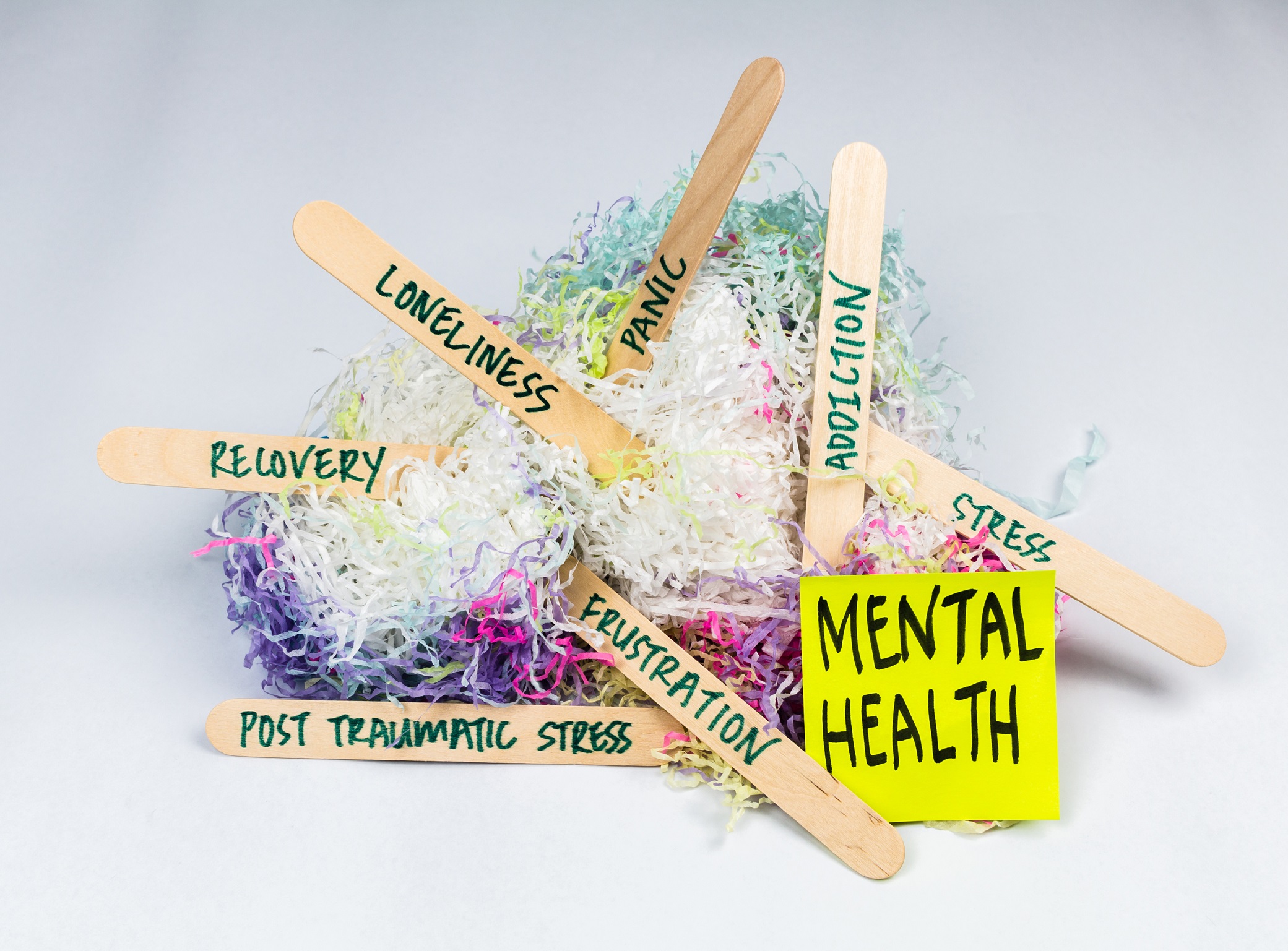
Helping Employees With Mental Health Issues

The World Health Organization (WHO) has declared that depression is the most common mental health issue in the world.

In a recent study by the Harvard Business Review, it was found that absenteeism from work due to mental illness costs American companies an estimated $6 billion each year. In addition, employees who have untreated depression are more likely to miss days of work or show up late and are less productive on those days when they do come in.

Mental health is one of the most important aspects of employee well-being and an employer’s responsibility for their team members’ physical and emotional well-being should be taken seriously.

Mental health is an important issue and every manager should take time during Mental Health Awareness Month (May) to review their policies with regards to providing accommodations for employees who need help dealing with their mental illnesses. Here are five ways that you can support those struggling:

An employer may consider offering flexible work schedules, alternative modes o transportation like bikes or public transit; they could provide training programs in order to give employees skills such as stress relief techniques through yoga classes taught on-site at the company gym facilities among other things offered by employers nationwide.

The Importance of Mental Health in the Workplace

It is a challenging task to help struggling employees, but it’s employers’ responsibility to create an environment where they can feel safe. To effectively manage these workers with mental health issues and reduced work performance or increased stress levels in the workplace should not go unnoticed for any length of time as this could lead to implications on your company’s reputation which would hurt its overall success rate!

The Importance of Human Connection in Our Emotional Health

Employers can prevent mental health problems in the workplace by focusing on basic human connections. Mental illness isn’t an employee’s fault, and they’re not responsible for bringing it upon themselves; however, stress at work is manageable with interventions like meditation or yoga classes that will help manage their emotions better when feeling overwhelmed.

How to Handle Employees with Mental Health Issues

Employers should consider a variety of elements to help employees with mental health issues. Flexible working hours and performance management are just some examples that can be used, as well as extended resources for those who need them most—all the while strengthening the business in doing so!

How Do You Control Employees With Mental Health Issues?

Mental health issues are affecting one in six workers, and yet only 23 percent of companies provide resources for employees who experience them. If you’re not experiencing mental illness yourself it could be your colleague or manager – but don’t worry because workplace awareness can help eliminate the stigma surrounding this issue!

How to Manage an Emotionally Unstable Employee?

Kindness is your greatest ally in the fight against emotions. Take a look at recent data and see if there’s anything you can learn from them. Look for patterns in the information you gather, even if it doesn’t appear obvious.

If you believe that your friend or loved one is struggling with issues like addiction, it’s important to be supportive and offer any kind of help they need. Perhaps the greatest thing to do would be to meet in person, so book a meeting first!

Is It Possible To Be Dismissed For Having Mental Health Issues?

The Equality Act of 2010 includes legal requirements to minimize any detrimental impact on workers as a result of mental illness. These are in place, and they must be met by companies or organizations who wish their business practices not reflect negatively against those with such conditions at work – which could lead them to be unable to find employment elsewhere if this were so!

  • Making modest adjustments to enable employees to do their tasks effectively and adequately fulfill the basic responsibilities of the position are reasonable.
  • Removing hazards that may endanger workers’ health and safety.
  • Workers’ rights to privacy and confidentiality should be protected during any discussions about mental health. Without the employee’s consent, no information should be released.
  • Ensuring that no action is taken against an employee in the workplace. It is unlawful to discriminate, torment, or victimize individuals with disabilities, and mental health issues are considered part of this.

Takeaways

A positive and happy workplace creates the perfect environment for preventing mental illness. Toxic workplaces breed stress, which can lead to depression or other issues with mood regulation like anxiety disorders. First things first: be open about your company’s policies on employee benefits so that they know what is expected of them if something does happen; this will also help you better understand how each individual responds in different situations when it comes time for treatment!