

Tag Archives: Culture

How Is The Amalgamation Of Culture And Technology Redefining Modern Business Practices?

Amalgamation of culture and technology is transforming the landscape of modern business in profound ways. As you navigate this dynamic environment, it’s important to recognize how integrating cultural insights with technological advancements can enhance your organizational practices. Understanding this relationship enables you to leverage diverse perspectives and innovative tools, driving better engagement and efficiency. In this post, we will explore how this fusion is reshaping your approach to business and providing new opportunities for growth and collaboration.

The Intersection of Culture and Technology

The intersection of culture and technology is reshaping modern business practices by facilitating more personalized and engaging experiences. As businesses navigate this dynamic landscape, understanding the synergy between cultural values and technological tools becomes imperative. The adaptability to change and the embrace of innovative solutions can significantly impact how your business interacts with consumers globally.

Understanding Cultural Dynamics

An understanding of cultural dynamics allows you to recognize how beliefs, customs, and values influence consumer behavior. By being attuned to these subtleties in various markets, you can tailor your business strategies to resonate with diverse audiences, fostering deeper connections and enhancing customer loyalty.

Technological Advancements Defined

Beside cultural awareness, technological advancements are reshaping every aspect of business operations. With tools such as artificial intelligence and big data analytics, you can harness insights to drive decision-making and optimize performance in real time.

For instance, the integration of AI in customer service has revolutionized how you can engage with your clients. Chatbots now provide 24/7 support, offering instant responses and personalized interactions. Coupled with big data, you can analyze consumer patterns and preferences, enabling your business to innovate and evolve based on the needs of specific cultural demographics. This not only enhances efficiency but also strengthens your brand’s connection with its audience, ultimately driving success in a rapidly changing marketplace.

Impact on Consumer Behavior

Some modern businesses are witnessing a profound shift in consumer behavior driven by the amalgamation of culture and technology. As technology integrates into everyday life, your shopping habits and preferences have changed, pushing organizations to adapt rapidly to these new expectations. This evolving landscape creates opportunities for businesses to engage you in more meaningful ways while delivering personalized experiences that cater to your unique desires.

Shifts in Customer Expectations

On a fundamental level, you now expect a seamless and efficient experience across all platforms. As technology continues to evolve, your desire for quick solutions, real-time communication, and personalized service has increased. Businesses must prioritize these changing requirements to stay relevant in today’s competitive marketplace.

The Role of Social Media

For you, social media has become a central hub for discovering new products and engaging with brands. It empowers your ability to share experiences and opinions, shaping how businesses approach customer engagement and marketing strategies.

Behavior on social media plays a significant role in how you perceive brands. Social platforms allow you to interact with companies directly, share your feedback, and influence others’ decisions. This means businesses must maintain an active and authentic presence online to connect with you effectively. Your preferences, opinions, and experiences can spread rapidly, making social media a powerful tool for driving brand loyalty and awareness in this fast-paced digital landscape.

Innovative Business Models

Any successful modern business must adapt to the changing landscape shaped by culture and technology. Innovative business models are emerging as companies leverage digital tools and collaborative practices to meet evolving consumer demands. These models emphasize flexibility, customer engagement, and value-driven solutions, enabling your business to stay relevant and competitive in an increasingly dynamic market.

Agile Methodologies in Practice

With the growing need for rapid response to market changes, agile methodologies have become integral to modern business practices. By fostering a culture of collaboration and iterative processes, these strategies empower you to deliver products and services more efficiently while adapting to stakeholder feedback in real-time. This approach not only enhances productivity but also drives innovation, ensuring your business remains at the forefront of industry trends.

The Rise of Digital Platforms

To thrive in today’s interconnected world, businesses must embrace digital platforms that facilitate collaboration and engagement. These platforms transform traditional business models by allowing you to reach broader audiences, gather valuable data, and enhance customer experiences. By utilizing digital channels, you can streamline operations and foster innovation through seamless communication and collaboration among stakeholders.

Considering the rapid advancement of technology, digital platforms have altered the way businesses operate. They offer you a unique opportunity to connect with customers in real-time, create tailored experiences, and build communities around your brand. Additionally, digital platforms allow for data-driven decision-making, enabling your business to respond swiftly to market shifts and consumer preferences. As a result, these platforms are not just tools; they are crucial components of your overall strategy in achieving sustainable growth and competitive advantage.

Employee Engagement and Collaboration

Once again, the integration of culture and technology is transforming employee engagement and collaboration within organizations. As workplaces become increasingly interconnected, fostering a culture of open communication and inclusivity becomes paramount. By leveraging innovative tools and platforms, you can create a collaborative environment that encourages idea sharing and team synergy, thus driving higher levels of satisfaction and productivity. This amalgamation not only enhances team dynamics but cultivates a sense of belonging among employees, empowering them to thrive in a collaborative workspace.

Remote Work and Cultural Integration

Work cultures are evolving, especially in the era of remote work. As you and your colleagues navigate the landscape of virtual collaboration, it’s imperative to integrate and celebrate diverse cultural backgrounds. Emphasizing inclusivity can significantly impact team morale and cohesion. By creating opportunities for social interactions, you can foster stronger connections that transcend geographical boundaries and promote a unified organizational culture.

Technology’s Role in Enhancing Communication

Across modern business environments, technology serves as a pivotal force in enhancing communication among team members. With an array of communication tools available, you can streamline interactions, share information effortlessly, and collaborate in real-time, regardless of location. The ability to connect instantly helps you to stay informed, engaged, and aligned with your team’s goals.

Indeed, technology enhances communication by providing you the capability to utilize various channels tailored to your team’s needs. Video conferencing, messaging apps, and collaborative platforms empower you to engage effectively, regardless of physical distance. As you embrace these tools, you also enhance transparency and accountability within your organization. This fosters an environment where ideas flow freely, enabling innovative problem-solving and bolstering relationships among team members. Ultimately, harnessing technology for communication strengthens your organization’s collaborative spirit, leading to improved outcomes and employee satisfaction.

Challenges in Amalgamation

Your journey into the integration of culture and technology in modern business is not without its hurdles. Companies often face significant challenges, including resistance to adopting new technologies that may clash with existing cultural practices. These issues can hinder progress and create friction within teams, impacting productivity and innovation.

Resistance to Change

Challenges arise when individuals and organizations resist change, often clinging to traditional practices. This resistance can stem from fear of the unknown, discomfort with new technologies, or simply a preference for established methods. To overcome this, it’s vital to foster a culture of adaptability and encourage open dialogue about the benefits of integration.

Ethical Considerations

Among the many challenges, ethical considerations play a prominent role in the amalgamation of culture and technology. Businesses must navigate complex issues surrounding data privacy, surveillance, equity, and the potential for technology to perpetuate biases.

Indeed, as technology becomes increasingly embedded in cultural practices, it’s imperative to prioritize ethical frameworks that guide these integrations. Understanding the moral implications of technology usage ensures that your business remains accountable and respectful towards its stakeholders. Emphasizing transparency, inclusivity, and conscientious decision-making can help your organization address these challenges effectively, fostering a workspace that aligns with both modern technological advancements and longstanding cultural values.

Case Studies of Successful Integration

Unlike traditional approaches, many businesses are embracing the fusion of culture and technology with notable success. For example:

  • IBM’s integration of remote working technologies led to a 30% increase in productivity.
  • Starbucks utilized a mobile app that drove a 25% rise in customer engagement and loyalty.
  • Adobe’s transition to cloud services resulted in a 40% growth in recurring revenue.
  • Netflix’s investment in data analytics allowed for a 50% improvement in content creation efficiency.
  • Toyota adopted AI-driven manufacturing processes, enhancing production speed by 20%.

Companies Leading the Change

Besides the exemplary case studies, companies like Salesforce, Amazon, and Google are at the forefront of this integration. They are not only adopting advanced technologies but also embedding cultural principles that resonate with their teams and customers, ensuring that innovation thrives.

Lessons Learned from Mergers and Acquisitions

To achieve a seamless integration of culture and technology during mergers and acquisitions, it’s vital to focus on open communication channels and shared values. 

Companies that successfully navigate mergers tend to prioritize alignment between corporate cultures. Analyzing integration outcomes reveals that maintaining a shared vision significantly streamlines operations. Establishing clear communication helps mitigate resistance from employees while fostering a unified identity. Moreover, leveraging technology to standardize processes enhances collaboration, making it easier to integrate teams and strategies effectively. Your approach should always consider the human element, as it plays a pivotal role in blending diverse cultures and driving business performance.

Conclusion

With these considerations, you can see how the amalgamation of culture and technology is revolutionizing modern business practices. By harnessing digital tools and embracing diverse cultural perspectives, you enhance customer engagement, streamline operations, and foster innovation. This integration empowers you to create more inclusive environments, allowing for collaboration and creativity that drives success. As you navigate this evolving landscape, staying attuned to these dynamics will be vital in adapting and thriving in today’s competitive marketplace.

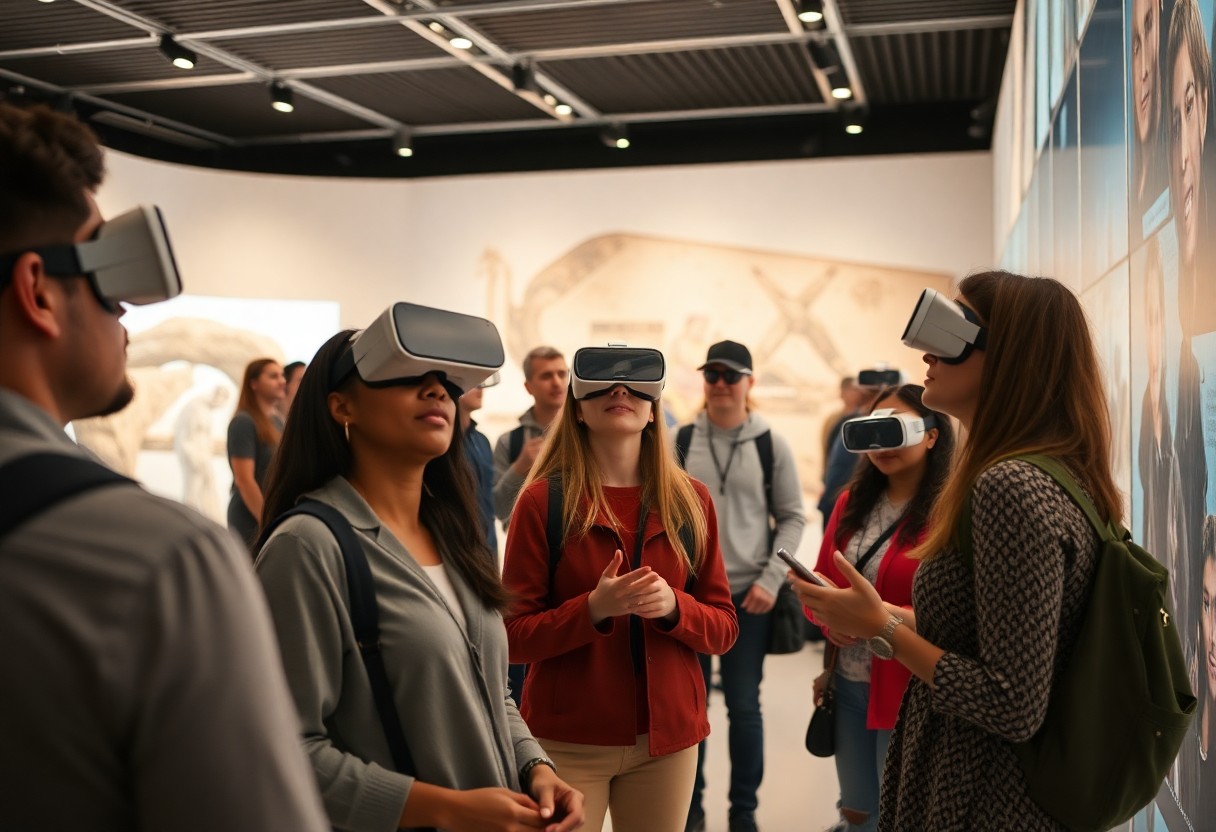
How Can Businesses Leverage Technological Advances To Enrich Cultural Experiences?

It’s crucial for you to explore how businesses can utilize technological advances to enhance cultural experiences for their customers. By integrating innovative technologies such as virtual reality, augmented reality, and digital storytelling, you can create immersive experiences that resonate deeply with your audience. These tools not only provide engaging ways to showcase cultural heritage but also foster a stronger connection between your brand and the community. In this post, we’ll examine into effective strategies that will help you harness technology to enrich cultural experiences in your business.

Understanding Technological Advances

Before exploring how businesses can enhance cultural experiences, it’s important to grasp the landscape of technological advances. Innovation in fields such as virtual and augmented reality, artificial intelligence, and mobile applications has transformed how we interact with culture. You will find that these technologies not only change your perceptions but also offer new avenues to experience cultural richness and diversity in more immersive and engaging ways.

Overview of Current Technologies

With advancements in technology, you now have access to tools like immersive virtual reality environments, interactive apps, and AI-driven content curation. These innovations allow you to connect with cultural narratives and experiences in ways that were previously unimaginable. As a business, adopting these technologies can help you reach audiences more effectively and create a lasting impact on cultural appreciation.

Impact of Technology on Cultural Engagement

Above all, these technological innovations profoundly influence how you engage with culture. They enable deeper connections, making cultural experiences more interactive and personalized. You can explore, share, and learn from diverse cultural expressions, ensuring that engagement goes beyond passive consumption.

Considering the ways technology shapes cultural engagement, you’ll notice an increase in interactive experiences that promote participation rather than mere observation. For example, virtual reality allows you to walk through historical sites or galleries from the comfort of your home, while social media platforms let you connect with creators and influencers from various backgrounds. These technologies democratize access to culture, allowing you to embrace diversity and participate in global conversations, thereby enriching your overall cultural experience. As a business, tapping into these tools not only benefits your audience but also positions you as an innovative leader in the cultural space.

Integrating Technology into Cultural Experiences

Some of the most engaging cultural experiences today come from the thoughtful integration of technology. By leveraging innovative tools, you can elevate how audiences interact with cultural content. This not only makes experiences more immersive but also opens new avenues for education and appreciation of diverse cultures. Technology can enhance storytelling, provide deeper insights, and create a more dynamic learning environment that resonates with participants on various levels.

Virtual and Augmented Reality Applications

Applications of virtual and augmented reality (VR and AR) allow you to transform your audience’s perception of cultural heritage. These technologies enable immersive experiences where you can explore historical sites or artifacts in a way that feels almost real. By bringing distant cultures or past events to life, you enrich learning and encourage deeper connections with the subject matter.

Social Media and Interactive Platforms

About social media and interactive platforms, these tools empower you to engage with your audience in real-time. They provide venues for sharing experiences, insights, and feedback, creating a vibrant community around cultural initiatives. Through various platforms, you can spark conversations about cultural topics that matter, fostering a sense of belonging and collaboration among participants.

Media platforms such as Instagram, Facebook, and Twitter allow you to showcase cultural products and share stories that resonate with your audience. By using interactive features like polls, live streams, and posts, you can create a dialogue that encourages participation and engagement. These tools enable you to connect with diverse demographics, offering a richer understanding of your cultural experiences while promoting inclusivity and collaboration in the exploration of culture.

Case Studies of Successful Implementation

The following case studies highlight how various organizations have effectively leveraged technological advancements:

  • 1. The Smithsonian Institution’s app, which increased visitor engagement by 25% through interactive virtual tours.
  • 2. The British Museum’s use of augmented reality, leading to a 30% increase in footfall during exhibitions.
  • 3. Coachella’s use of live streaming increased its virtual audience by 40%, expanding global reach significantly.
  • 4. The Louvre’s online gallery platform, boosting online visitor numbers by 50% during the pandemic.

Museums and Cultural Institutions

Around the globe, museums and cultural institutions are harnessing technology to create immersive experiences. For example, the Van Gogh Museum in Amsterdam implemented virtual reality that allows you to step into Van Gogh’s paintings, resulting in a 15% increase in visitor satisfaction ratings and providing a revolutionary way to appreciate art.

Festivals and Live Events

Against this backdrop, festivals and live events are adopting innovative tech solutions to enhance attendee experiences. Organizers are utilizing social media platforms, mobile apps, and unique VR activations to engage audiences before, during, and after events.

Institutions are increasingly using data analytics to understand audience preferences, which helps in tailoring experiences that resonate. By implementing mobile applications for real-time updates and interactive maps, you can streamline participant engagement and make networking easier. Additionally, augmented reality installations at events, like the one seen at Glastonbury, create memorable experiences that resonate long after the event has ended, significantly improving customer satisfaction and return rates.

Challenges Faced by Businesses

For businesses aiming to enhance cultural experiences through technology, several challenges emerge. The rapid pace of technological change can create a knowledge gap among staff, making it important to invest in training. Additionally, the integration of new tools must align with existing cultural offerings, demanding strategic planning and evaluation to avoid diluting the essence of what makes your offerings unique.

Resource Allocation and Funding

Between managing existing operations and pursuing new technological initiatives, you may find it difficult to allocate sufficient resources and funding. Prioritizing investments in technology can stretch budgets thin, and you might need to seek alternative funding sources, such as grants or partnerships, to facilitate these advancements.

Balancing Tradition with Innovation

Balancing tradition with innovation can pose a significant challenge for businesses exploring technological enhancements in cultural experiences. Overemphasizing technology risks overshadowing the very traditions you wish to celebrate, while too much focus on traditional methods can hinder growth and engagement. You must find a harmonious blend that respects the roots of your cultural offerings while embracing innovation that enhances accessibility, engagement, and visitor experience.

A thoughtful approach involves firstly assessing your cultural identity and values, and then identifying the technological tools that can enhance, rather than replace, those elements. By engaging with stakeholders, including local communities and cultural experts, you can ensure that innovations are thoughtfully integrated. This combined strategy can lead to enriched experiences that honor tradition while appealing to modern audiences, thus fostering a more inclusive and vibrant cultural landscape.

Strategies for Effective Integration

To successfully integrate technological advances into cultural experiences, you should begin by assessing your organization’s goals and available resources. Develop a clear strategy that combines both traditional and modern methods, ensuring that the technology you select enhances the cultural narrative rather than overshadowing it. Training staff to utilize new tools effectively and encouraging innovation within your team can further support a seamless transition. As you implement these technologies, consider piloting new initiatives to gauge their impact before a full-scale launch.

Collaborations with Tech Companies

One effective approach to enhancing cultural experiences is forming partnerships with technology companies. By collaborating, you can access cutting-edge tools and expertise that can amplify your offerings. This can involve co-developing projects, leveraging tech platforms, or utilizing software that enhances visitor engagement. Such alliances can also facilitate knowledge exchange, enabling your team to stay abreast of emerging trends while aligning your cultural mission with innovative practices.

Audience Engagement and Feedback Mechanisms

Any successful integration of technology requires a keen focus on audience engagement and active feedback mechanisms. You can leverage digital tools to create interactive experiences that resonate with your audience, fostering a deeper connection to your cultural offerings. By implementing systems for gathering feedback, you enable continuous improvement, ensuring your audience feels valued and engaged.

This two-way communication is necessary for understanding your audience’s preferences and experiences. You can utilize surveys, social media polls, and mobile apps to capture insights instantly. By analyzing this feedback, you can adapt your cultural programming and technological initiatives in real-time, making informed decisions that reflect your audience’s desires. This approach not only enhances their experience but also builds loyalty and community around your brand.

Future Trends in Cultural Technology Integration

After examining current innovations, it becomes evident that technology will continue to enhance cultural experiences. Businesses must anticipate shifts, such as immersive augmented reality (AR) experiences and advanced analytics, which tailor offerings to individual preferences. As you explore these trends, consider how integrating such technologies into your practices can create more engaging and personalized interactions, enriching the overall cultural landscape.

Predictions for Advancements

An increasing focus on artificial intelligence (AI) and machine learning will play a significant role in personalizing cultural experiences. These advancements allow businesses to analyze user behavior and preferences more effectively, leading to tailored offerings that resonate more deeply with your audience. It’s necessary to remain aware of these changes and how they might influence your strategies moving forward.

Evolving Audience Expectations

Future generations will demand more engaging, participatory experiences that utilize the latest technologies. Audiences are becoming more discerning, seeking not merely passive consumption but active involvement in cultural narratives. As a result, you must adapt your offerings to meet these rising expectations, providing immersive and interactive environments that resonate with your audience’s evolving desires.

At the heart of this transformation lies the clear expectation for businesses to facilitate unique interactions that blend digital and physical experiences seamlessly. This shift means that your cultural offerings need to reflect the values of inclusivity and personalization. By listening to audience feedback and tracking engagement metrics, you can develop experiences that not only meet but exceed their aspirations. As consumers continue to navigate a tech-driven landscape, investing in innovative experiences will position your brand as a leader, creating lasting connections with your audience, while crafting memorable cultural narratives that align with their interests.

To wrap up

Following this, you can enhance cultural experiences in your business by embracing technological advances, such as virtual reality, augmented reality, and AI-driven personalization. These tools enable you to create immersive environments that engage customers on a deeper level, fostering a greater appreciation for diverse cultures. Additionally, leveraging social media platforms can help you to reach wider audiences, share cultural narratives, and promote interactive experiences. By strategically integrating technology, you can enrich your offerings and create memorable experiences that resonate with your customers, ultimately driving loyalty and growth.