Tag Archives: Culture

What Role Does Art And Culture Play In Shaping A Balanced Lifestyle?

Many individuals overlook the significant influence that art and culture can have on achieving a balanced lifestyle. Engaging with various forms of artistic expression and cultural experiences can enrich your emotional well-being, enhance creativity, and foster social connections. By exploring different artistic mediums and cultural practices, you can discover new perspectives, balance your mental health, and elevate your overall quality of life. In this blog post, we will investigate into the multifaceted role that art and culture play in helping you cultivate a harmonious and fulfilling lifestyle.

The Importance of Art in Daily Life

Art plays a vital role in your daily life by offering moments of beauty, reflection, and connection. Engaging with various forms of art can elevate your mood, spark joy, and provide a sense of community. Whether through visual arts, music, or literature, art enriches your experiences and encourages mindfulness. By integrating art into your daily routine, you enhance your emotional well-being and attract a more balanced lifestyle.

Emotional Expression and Healing

Above all, art serves as a powerful medium for emotional expression and healing. It allows you to convey feelings that may be difficult to articulate, providing an outlet for both joy and sorrow. Engaging with or creating art can lead to self-discovery and personal growth, helping you process emotions and navigate life challenges more effectively.

Fostering Creativity and Innovation

Life is enriched when you foster creativity and innovation through art. Engaging with creative processes encourages you to think outside the box and develop unique solutions to problems. When you immerse yourself in artistic activities, you tap into your imaginative potential, which can spill over into other areas of your life, enhancing productivity and perspective.

This exploration of creativity not only benefits you personally but can also have a positive ripple effect in your community. By embracing the arts, you cultivate a mindset of innovation that can inspire others, fostering collaboration and openness to new ideas. Your engagement with art ultimately leads to a more vibrant, creative environment, enhancing both individual and collective growth.

Cultural Practices and Community Building

Clearly, cultural practices play a significant role in fostering community connections and enhancing personal well-being. Engaging in shared customs and traditions creates a sense of belonging that strengthens your social network. By participating in local art initiatives, performances, and cultural events, you contribute to a collective identity that enriches your lifestyle and nurtures valuable relationships within your community.

Traditions and Their Impact on Identity

Beside shaping your individual identity, traditions provide a framework for understanding and connecting with your heritage. When you embrace these customs, you foster a deeper sense of belonging while celebrating the values and beliefs that have been passed down through generations. This connection to your roots enhances your self-awareness, nurtures your relationships, and ultimately influences your worldview.

The Role of Festivals and Gatherings

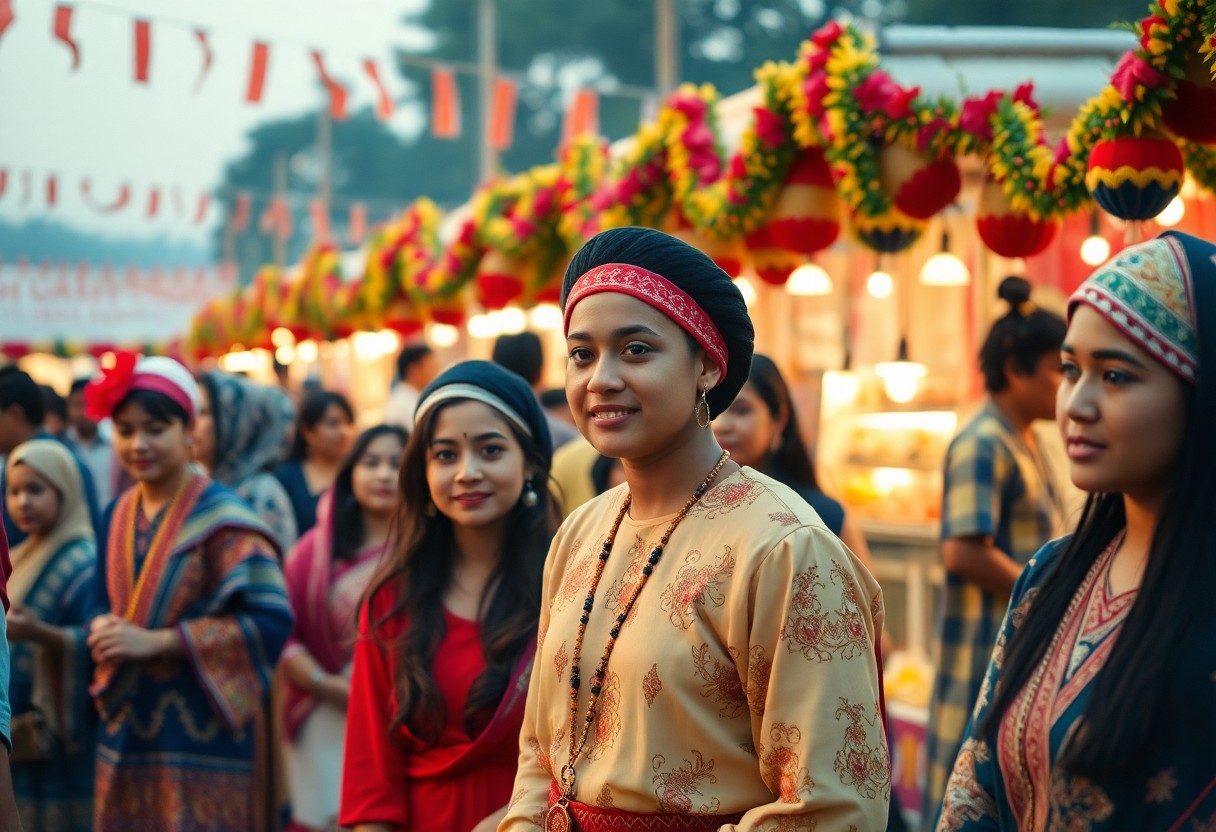
On a broader scale, festivals and gatherings serve as focal points in your community, bringing people together to celebrate diversity and shared experiences. These events, marked by vibrant displays of culture, art, and food, create a unique atmosphere for connection. You find opportunities to engage with fellow community members, learn from different traditions, and foster a sense of unity that transcends individual differences.

Role of festivals and gatherings extends beyond mere celebration; they act as catalysts for social change, encouraging inclusivity and understanding. By participating in these events, you acknowledge the richness of various cultural expressions and contribute to a diverse community tapestry. They allow you to step outside your routine, explore new ideas, and form unexpected friendships, thereby enhancing your overall quality of life and enriching your understanding of the world around you.

Art as a Tool for Mindfulness

While integrating art into your daily routine can greatly enhance your mindfulness practice, it encourages you to immerse yourself in the present moment. Engaging with various forms of art can evoke emotions, foster self-reflection, and provide a sense of clarity. Whether you create or simply appreciate art, this mindful engagement allows you to disconnect from daily stresses and cultivate a deeper awareness of your thoughts and feelings.

Engaging with Art and Nature

Against the backdrop of our bustling lives, engaging with art in serene natural settings can significantly enhance your overall well-being. Exploring outdoor art installations or creating your own nature-inspired artwork encourages you to connect with both your surroundings and your inner self. Such experiences can ground you in the moment and provide a much-needed respite from urban distractions.

The Therapeutic Benefits of Creativity

Engaging in creative activities has numerous therapeutic benefits for your mental and emotional health. Whether you paint, draw, write, or play music, creativity allows you to express your innermost thoughts and feelings, offering an outlet for processing emotions. The act of creation can lead to increased feelings of happiness and fulfillment, fostering a sense of accomplishment and boosting your self-esteem.

In addition, engaging in creative pursuits helps to reduce anxiety and promote relaxation. As you focus on your artistic expression, you shift your attention away from life’s pressures, inviting a meditative state that can enhance your overall mental clarity. This therapeutic aspect empowers you to navigate challenges more readily, ultimately contributing to a balanced lifestyle. By prioritizing creativity, you cultivate resilience and emotional harmony.

The Influence of Art and Culture on Mental Well-being

Now more than ever, the impact of art and culture on your mental well-being cannot be underestimated. Engaging in artistic pursuits and immersing yourself in cultural activities can significantly enhance your emotional health. These experiences provide avenues for self-expression, creativity, and reflection, allowing you to manage stress and cultivate a positive mindset.

Reducing Stress through Artistic Activities

To alleviate stress, participating in artistic activities can serve as an effective outlet for your emotions. Whether you choose painting, dancing, or playing an instrument, these creative endeavors not only distract your mind from daily pressures but also promote relaxation and mindfulness. By immersing yourself in art, you can find solace and present moment awareness, ultimately reducing feelings of anxiety.

Enhancing Social Connections through Cultural Engagement

Culture fosters a sense of belonging and community. Engaging in cultural activities such as festivals, workshops, or performances invites you to share experiences with others who share similar interests. Through these interactions, you build meaningful connections and expand your social network, which can support your emotional health and alleviate feelings of isolation.

Through attending local art shows, community theater, or cultural fairs, you not only enjoy the event but also forge bonds with fellow attendees. These shared experiences create lasting memories and promote an atmosphere of understanding and cooperation. This camaraderie contributes to your sense of community, reinforcing the idea that you are part of something larger than yourself, thus enhancing your overall well-being.

Balancing Work and Leisure through Arts and Culture

Many individuals struggle to find a harmonious balance between their professional commitments and personal interests. Engaging with arts and culture allows you to step away from the pressures of work and rejuvenate your mind. Activities such as visiting galleries, attending concerts, or participating in community theater not only provide a creative outlet but also enhance your overall well-being. By prioritizing these experiences, you cultivate a more balanced lifestyle that fosters both productivity and relaxation.

Incorporating Art into Everyday Routines

Everyday life can easily become monotonous, making it crucial to infuse artistic elements into your routines. Whether it’s listening to music during your commute, decorating your workspace with inspiring art, or even engaging in small creative projects at home, these simple changes can transform your day-to-day experience. By prioritizing art, you allow your mind to wander and innovate, which may lead to greater personal satisfaction and a more enjoyable lifestyle.

The Role of Culture in Work-Life Harmony

Beside art, culture plays a significant role in enriching your work-life balance. Immersing yourself in cultural experiences can foster connections and expand your worldview, creating a reflective space that supports personal growth. You might find that exposure to diverse cultural practices not only enhances your emotional intelligence but also provides tools for navigating workplace challenges more effectively.

But exploring culture doesn’t just limit itself to passive observation; it invites active participation and engagement. By attending cultural festivals, joining local community groups, or branching out with multicultural cuisines, you create opportunities for social interaction and learning. These experiences not only enrich your personal life but also cultivate a deeper understanding that can benefit your professional relationships. Integrating cultural experiences into your routine can enhance your sense of belonging, leading to a more fulfilling life overall.

Overcoming Barriers to Access Art and Culture

All individuals should have the opportunity to engage with art and culture, yet barriers often impede this access. These obstacles may stem from financial constraints, geographical limitations, or lack of awareness about available resources. By recognizing these challenges, you can advocate for solutions that foster greater participation in artistic and cultural experiences, ensuring a more inclusive environment for everyone.

Addressing Economic and Social Challenges

Access to art and culture can be hindered by economic and social challenges, such as income inequality or lack of transportation. You may find that supporting community initiatives, such as subsidized ticket programs or mobile art exhibits, can effectively bridge these gaps. Creating partnerships between local organizations and artists allows resources to be pooled, enabling a wider audience to experience the enriching benefits of art.

Promoting Inclusivity in Artistic Endeavors

By prioritizing inclusivity in artistic endeavors, you help create a space where diverse voices are heard and appreciated. This can include hosting workshops that cater to different skill levels, making creative spaces accessible to individuals with disabilities, or showcasing works from underrepresented communities. Such efforts enrich the artistic landscape, allowing you to experience a broader range of perspectives and narratives that resonate with the collective human experience.

Promoting inclusivity in artistic endeavors fosters a sense of belonging for all participants. You can encourage local artists to collaborate with marginalized communities, providing a platform for shared stories and experiences. Initiatives like community art projects or inclusive art fairs invite everyone to contribute, allowing you to witness firsthand the transformative power of art as it reflects the diverse community. When you actively participate in these inclusive practices, the resulting art not only represents varied identities but also enriches your understanding of the world around you.

Final Words

The interplay of art and culture significantly enriches your life, promoting emotional well-being and creative expression. Engaging with diverse artistic forms and cultural practices not only enhances your appreciation of the world but also nurtures your personal growth and understanding. By incorporating art and culture into your daily routine, you cultivate a balanced lifestyle that fosters connection, inspiration, and joy. Ultimately, these elements encourage you to explore new perspectives, thereby enhancing your overall quality of life.
How Do Cultural Festivals Reflect The Evolving Landscape Of World Cultures?

Festivals serve as vibrant showcases of human creativity, allowing you to immerse yourself in the diverse traditions and values of different cultures. As you explore various cultural festivals, you’ll notice how they adapt to modern influences while preserving their unique identities. This evolution not only highlights the changing dynamics of global interactions but also offers you insight into the collective heritage and future trajectories of communities worldwide. Through this post, you will uncover how these celebrations reflect societal changes and contribute to cultural resilience.

The Historical Significance of Cultural Festivals

To understand the roots of cultural expression, you must appreciate the historical significance of cultural festivals. These events are not merely celebrations; they reflect the values, beliefs, and social structures of societies throughout history. They offer a glimpse into the past, serving as markers of cultural identity, resilience, and continuity, often evolving through time yet holding onto their core aspects to unite communities and educate future generations.

Origins and Transformations

Behind every cultural festival lies a rich tapestry of history and transformation. Initially born from agricultural practices, religious observances, or social rituals, festivals have adapted to societal changes over time. You can observe how various factors such as migration, globalization, and technological advancements have reshaped festivals, influencing their themes, participants, and expressions, while still echoing the heritage they originated from.

Case Studies of Iconic Festivals

Significance of cultural festivals can be seen through iconic examples worldwide that illustrate the impact and transformation of cultural practices. Each festival showcases unique elements that both preserve tradition and adapt to modern influence. Consider the following case studies:

  • Oktoberfest, Germany: Attracts over 6 million visitors annually, generating around $1 billion in revenue.
  • Diwali, India: Celebrated by over 1 billion people globally, emphasizing the triumph of light over darkness.
  • Rio Carnival, Brazil: Involves approximately 2 million people daily, contributing $1 billion to the economy.
  • Mardi Gras, USA: Over 1.4 million attendees in New Orleans, fostering a cultural economy exceeding $1 billion a year.
  • Holi, India: Recognized by over 1.5 billion participants, emphasizing the arrival of spring and vibrant colors.

Case studies, like these iconic festivals, highlight how cultural traditions evolve while maintaining their essence. They serve as a platform for community celebration and global connection. Through your experiences at these events, you contribute to a living history that embraces both the past and the present, showcasing human creativity and resilience across cultures.

Cultural Identity and Expression

There’s a profound connection between cultural festivals and the expression of your identity. These celebrations embody the values, beliefs, and narratives that shape your community. Through music, dance, food, and art, you experience a vibrant tapestry of your heritage, allowing you to honor your roots while inviting new interpretations. Cultural festivals act as a mirror, reflecting the evolving identity of societies as they interact with influences from around the world.

Community Engagement and Participation

With cultural festivals, you find unique opportunities to engage with your community. These events bring people together, fostering collaboration and dialogue among diverse groups. By participating in these festivals, you not only celebrate your cultural heritage but also build relationships that transcend barriers. Through shared experiences and collective joy, you cultivate a sense of belonging and unity within your community.

The Role of Festivals in Preserving Traditions

About the preservation of traditions, cultural festivals serve as vital platforms for the transmission of customs, stories, and practices. They provide an avenue for you to learn about and celebrate your ancestry, ensuring that cherished traditions endure through generations.

For instance, you might participate in a local festival that showcases traditional crafts, folk dances, or culinary practices passed down through your family. These immersive experiences allow you to witness firsthand the artistry and skill involved in preserving your culture. By engaging with storytellers, artisans, and performers, you help sustain these traditions and share them with others, nurturing a deep appreciation for your cultural heritage and its continued relevance in today’s world.

Globalization and Cultural Exchange

Now that the world is more interconnected than ever, cultural festivals serve as platforms for cultural exchange, showcasing the rich tapestry of global traditions. As you attend these events, you have the opportunity to immerse yourself in diverse customs, foods, and art forms, allowing you to gain a deeper understanding of different cultures. This exchange not only enriches your experience but also fosters mutual appreciation and respect among communities, highlighting how globalization is reshaping cultural landscapes.

The Influence of Technology

On a daily basis, technology has transformed the way you experience cultural festivals. From social media platforms that promote events to virtual reality experiences that transport you to distant celebrations, technology enhances accessibility and engagement. As you tap into these innovations, you find yourself connected with people from various backgrounds, breaking geographical barriers and enriching your festival experience.

Hybrid Festivals and Their Impact

To understand the modern world of cultural festivals, you should explore the phenomenon of hybrid festivals, which merge traditional and contemporary elements. These unique celebrations reflect the evolving identities of communities as they embrace both heritage and innovation. In doing so, hybrid festivals offer you a more extensive cultural experience, blending diverse influences to create something that resonates with a broader audience.

Hybrid festivals are increasingly shaping cultural landscapes by creating spaces where various cultural expressions coexist. As you participate in these events, you witness an exciting amalgamation of art forms, from traditional dance to contemporary music, showcasing how cultures can evolve while remaining grounded in their roots. This blending not only enriches your experience but also encourages dialogue and collaboration among different cultural communities, paving the way for new traditions and a more inclusive understanding of heritage.

Economic Implications of Cultural Festivals

Many cultural festivals serve as significant economic engines for their communities. They create opportunities for local businesses by attracting visitors who spend money on accommodations, food, and souvenirs. The influx of tourists provides a boost, stimulating job creation and contributing to the overall economic vitality of the region. You may find that these events not only celebrate heritage but also play a key role in fostering economic growth.

Tourism and Revenue Generation

On a broad scale, cultural festivals significantly enhance tourism and revenue generation. They appeal to both international and local audiences, providing a unique opportunity for you to experience diverse traditions while supporting the economy of the host community. Many attendees seek immersive experiences, which leads to increased spending in various sectors, ultimately enriching the local economic landscape.

Challenges and Sustainability

Between efforts to celebrate cultural identities and the pressures of commercialization, challenges regarding sustainability often arise. You may recognize that striking a balance between boosting local economies and preserving cultural integrity is vital for ensuring that festivals continue to thrive in the future.

Implications of these challenges extend beyond economic concerns, as they can affect the authenticity and longevity of cultural expressions. As you engage with cultural festivals, consider the environmental impact and resource allocation involved. Sustainable festival practices, like responsible waste management and community involvement, are vital for maintaining the delicate balance between celebration and preservation. Your awareness and advocacy can play a part in fostering a healthier ecosystem for cultural expressions to flourish.

The Role of Music and Art in Festivals

Keep in mind that music and art are not just forms of entertainment; they are vital components of cultural festivals that foster communal identity and expression. These creative outlets offer a platform for artists and musicians to showcase their traditions while engaging festival-goers in shared experiences. Through these creative forms, you can connect with diverse cultures, gaining insights and appreciation for the rich tapestry of human expression found in festivals around the world.

Creative Expressions and Innovations

Between the pulsating rhythms and vibrant artworks, cultural festivals serve as incubators for creative expressions and innovations. You witness how artists and musicians adapt traditional styles, blending them with contemporary influences to create something entirely new. This fusion reflects a celebration of cultural heritage while also embodying the innovative spirit of today’s global society.

How Arts Reflect Social Changes

Among the myriad forms of art present at festivals, you’ll find that these creations often hold a mirror to the prevailing social issues and transformations within communities. They encapsulate your society’s struggles, triumphs, and evolving identities, providing a narrative that resonates on a personal and collective level.

Understanding the connection between arts and social changes immerses you in the heart of your culture’s narrative. As you explore the artwork and performances at festivals, you notice how they address themes like inequality, migration, and environmental issues. These artistic expressions challenge you to think critically about your surroundings and inspire action or advocacy. By engaging with these forms of art, you contribute to a broader dialogue about the changes shaping your societal landscape while celebrating the resilience and dynamism of cultures worldwide.

Festivals as a Platform for Social Issues

Despite their celebratory nature, cultural festivals increasingly serve as vital platforms for discussing pressing social issues. These events create a dynamic space where diverse voices can converge, encouraging dialogue and fostering understanding among attendees. Festivals can shine a light on topics like environmental sustainability, gender equality, and social justice, prompting individuals to engage in conversations that can lead to real change within their communities.

Advocacy and Activism

With growing consciousness about social justice, many festivals have embraced advocacy and activism as core themes. By partnering with community organizations, you can witness firsthand how these events amplify important causes, harnessing the power of art, music, and performance to inspire action and mobilize support for various social movements.

Celebrating Diversity and Inclusion

Issues of diversity and inclusion are increasingly at the forefront of cultural festivals, showcasing a rich tapestry of backgrounds and experiences. You will find that these celebrations not only honor different cultural expressions but also actively work to break down barriers, inviting participation from underrepresented groups. This fosters a sense of belonging and encourages you to appreciate the nuances of different cultures.

Social equity is a central theme in the celebration of diversity and inclusion at festivals. Through artistic expression and communal experiences, these events invite you to embrace various cultural identities, emphasizing their significance in the global landscape. Festivals serve as a reminder that diversity enriches your community and encourages meaningful exchanges, paving the way for understanding and solidarity among individuals from different walks of life.

Conclusion

Hence, as you engage with cultural festivals, you witness firsthand the dynamic interplay of traditions and modern influences shaping global identities. These events not only celebrate heritage but also invite you to explore the diverse narratives that define communities around the world. By participating, you gain valuable insights into how cultures adapt, innovate, and connect, ultimately enriching your understanding of the evolving tapestry of human experience.

Exploring Cultural Diversity – How Cultural Heritage Enriches Our Lives

Heritage shapes your understanding of the world and connects you to diverse communities. By exploring cultural diversity, you gain insights into the values, traditions, and histories that define various societies. Engaging with different cultural backgrounds not only broadens your perspective but also enriches your personal and communal experiences. This blog post will investigate into how embracing cultural heritage can foster a greater appreciation for the richness of human life, ultimately enhancing your understanding and relationships with others.

Understanding Cultural Heritage

A deep understanding of cultural heritage allows you to appreciate the unique practices, beliefs, and traditions that define different communities. This understanding enhances your worldview and fosters respect for the diversity that exists in our global society. By embracing various cultural histories, you not only enrich your own life but also contribute to the collective narrative that shapes humanity.

Definition and Importance

Around the globe, cultural heritage encompasses the legacy of physical artifacts and intangible attributes inherited from past generations. It is important because it encapsulates the identity, values, and history of peoples and societies, providing you with a sense of belonging and purpose, while fostering mutual respect and understanding among different cultures.

Forms of Cultural Heritage

On your journey to explore cultural diversity, you’ll find that cultural heritage can be categorized into tangible and intangible forms. Tangible heritage includes physical objects like monuments, artifacts, and traditional architecture, while intangible heritage comprises practices such as folklore, music, language, and rituals passed down through generations. Each form offers insight into the diverse lifestyles and histories that shape our world today.

Definition: Tangible forms of cultural heritage are visible and can be physically interacted with, enabling you to connect to a specific culture through its historical artifacts. These include museums housing ancient relics, traditional buildings that stand as testaments to architectural achievements, and cultural landscapes that narrate the relationship between people and their environment. In contrast, intangible heritage consists of practices and expressions that are learned, performed, and shared within communities, such as traditional dances, local cuisines, and oral traditions. Each form represents an necessary component of cultural identity, inviting you to explore deeper into the rich tapestry of human experience.

The Role of Cultural Diversity

Even in our interconnected world, cultural diversity plays a vital role in shaping your experiences and perspectives. Embracing various cultures fosters creativity, innovation, and a rich tapestry of viewpoints that enhance personal and communal growth. This blend of traditions and customs not only enriches your daily life but also expands your understanding of global narratives, ultimately creating a more harmonious society.

Celebrating Differences

Before you explore into cultural exploration, take a moment to appreciate the vibrant differences that define our world. Each culture brings unique customs, languages, and art forms that contribute to a dynamic human experience. By engaging with these distinctions, you cultivate a deeper connection to the diverse tapestry that enriches your life.

Building Tolerance and Understanding

Understanding various cultures is key to fostering tolerance and acceptance in your community. When you expose yourself to different perspectives, you expand your worldview and develop empathy towards others’ experiences. This process promotes dialogue and collaboration, breaking down barriers that often lead to misunderstanding or conflict.

At the heart of building tolerance and understanding lies the willingness to listen and learn from one another. By actively participating in cultural exchanges, you challenge preconceived notions and stereotypes that may cloud your judgment. Engaging with diverse communities empowers you to grow as an individual, embracing shared values and creating pathways toward peaceful coexistence with those from all walks of life.

Cultural Heritage and Identity

Some elements of cultural heritage play a significant role in shaping who you are. From language accents to traditional clothing, your identity is woven from the rich tapestry of your cultural background. Understanding these influences provides insight into your personal values and helps you appreciate the unique factors that distinguish your individual perspective.

Shaping Personal Identity

One of the most profound ways cultural heritage impacts your identity is through shared customs and narratives. These elements provide you with a sense of belonging and continuity, linking you to your ancestors and their experiences. By embracing these traditions, you not only honor your heritage but also enhance your self-awareness and personal growth.

Fostering Community Bonds

Community bonds are strengthened through the shared appreciation of cultural heritage. When you and your neighbors participate in cultural events, you create opportunities to connect with one another, fostering relationships rooted in mutual respect and understanding. Celebrating diversity within your community encourages collaboration and transforms strangers into friends.

And as you engage in cultural festivities, potlucks, or traditional ceremonies, you cultivate a deeper sense of connection with your community. These shared experiences not only enhance your enjoyment but also reinforce social cohesion, promoting acceptance and tolerance among diverse groups. By participating together, you contribute to a vibrant cultural landscape that celebrates differences while uniting individuals through common values and experiences.

Economic Benefits of Cultural Diversity

Your understanding of cultural diversity can greatly enhance economic growth in various sectors. As cultures intertwine, they create dynamic marketplaces that foster trade and investment opportunities. Diverse perspectives drive better decision-making and can lead to innovative solutions in businesses. By embracing cultural diversity, you can cultivate a thriving economy that attracts talent and boosts productivity, ultimately benefiting your community and society as a whole.

Tourism and Cultural Exchange

Beside bringing financial gain through tourism, cultural diversity fosters meaningful exchanges between individuals from different backgrounds. Travelers often seek authentic experiences that reflect the richness of various cultural traditions, leading to a thriving tourism industry. This exchange not only generates income but also promotes understanding and appreciation across cultures, enhancing social ties worldwide.

Innovation and Creativity

Above all, the blend of diverse cultural influences serves as a catalyst for innovation and creativity. When you engage with different perspectives, you open yourself to new ideas, which can inspire groundbreaking methods and products. In multicultural environments, teams are more likely to think outside the box, leading to a competitive edge in industries that require constant evolution.

Considering the impact of cultural diversity on innovation, it’s clear that exposure to varied viewpoints can transform the way you approach problem-solving. When you collaborate with individuals from diverse backgrounds, you not only gain insights into different consumer needs but also inspire one another to push creative boundaries. This unique fusion of ideas often results in cutting-edge solutions that drive economic growth, creating a marketplace that thrives on originality and mutual respect.

Challenges to Cultural Heritage

For many societies, the preservation of cultural heritage faces significant challenges, often stemming from rapid societal changes and external influences. These complexities can undermine traditional practices and community values, making it vital for you to understand the dynamics that threaten this vital aspect of human identity.

Globalization and Homogenization

Heritage can be at risk due to globalization, as the blending of cultural expressions often leads to the homogenization of unique traditions. As you navigate through a world influenced by global trends, it becomes increasingly important to appreciate and support the distinctiveness of local cultures that may otherwise fade away in the uniformity of shared experiences.

Preservation Efforts

Efforts to protect and revitalize cultural heritage are vital in sustaining its richness for future generations. By engaging in community initiatives, supporting local artisans, and advocating for policies that prioritize heritage conservation, you play a vital role in ensuring that diverse cultural expressions continue to thrive.

Consequently, your involvement in preservation efforts not only safeguards the past but also enhances the cultural landscape of the present. Whether through volunteer work, raising awareness, or participating in cultural events, your actions contribute to the resilience of these traditions. Engaging with local communities and promoting education about their histories can foster appreciation and respect, ensuring that cultural heritage remains a living part of society.

Educational Approaches to Cultural Understanding

Not all education systems worldwide emphasize the importance of cultural understanding, yet this aspect is vital for fostering a global perspective. By incorporating a diverse array of cultural narratives and practices into educational curricula, you can develop a more holistic view of the world. Engaging with various cultures not only enhances your knowledge but also encourages empathy and respect for differing perspectives. Education has the power to bridge gaps and create a more inclusive society.

Integrating Cultural Diversity in Education

Between theory and practice, integrating cultural diversity in education offers a rich tapestry of perspectives that can enhance learning experiences. It is vital for you to advocate for curricula that celebrate diverse cultures, histories, and contributions. This integration not only enriches classroom discussions but also prepares you for a multicultural world. By learning about different backgrounds, you cultivate a sense of belonging and encourage collaboration among peers.

Promoting Multicultural Awareness

After recognizing the importance of cultural diversity, focusing on promoting multicultural awareness becomes vital for your personal and social growth. Engaging with multicultural resources, such as literature, art, and community events, exposes you to various cultural expressions and histories. This awareness develops your social skills and enhances your ability to communicate across cultures, preparing you for a diverse and interconnected world.

Multicultural awareness is not just about understanding other cultures; it is a commitment to embracing and celebrating diversity within your community and beyond. By actively seeking out diverse perspectives and experiences, you deepen your understanding of the complexities of society. Participate in discussions, workshops, and cultural events that encourage dialogue and foster appreciation among different backgrounds. This approach empowers you to contribute positively to society while also enhancing your interpersonal skills, leading to more harmonious interactions in your personal and professional life.

To wrap up

The exploration of cultural diversity emphasizes how your understanding and appreciation of different heritages can profoundly enrich your life. By embracing varied traditions, languages, and customs, you open yourself up to new perspectives that foster empathy and creativity. This not only enhances your personal experiences but also strengthens community bonds, encouraging a more inclusive world. By actively engaging with cultural diversity, you contribute to a tapestry of shared human experiences that celebrates differences while uniting us all.

Cultural Experiences You Shouldn't Miss – Celebrating Traditions Around The Globe

Travel opens your eyes to a world rich in traditions and vibrant cultural experiences that shape the identity of communities worldwide. From colorful festivals to age-old rituals, each culture has unique customs worth exploring. In this blog post, you’ll discover remarkable cultural experiences that will enrich your understanding of global diversity and help you connect with people in meaningful ways. Prepare to immerse yourself in the traditions that make our world beautifully varied!

Festivals and Celebrations

While exploring different cultures, immerse yourself in vibrant festivals and celebrations that serve as a window into local traditions and values. These events often bring communities together, showcasing unique customs, art, and cuisine, allowing you to engage with locals and enhance your understanding of their heritage. From lively parades to serene spiritual gatherings, each festival offers a distinct experience that you won’t want to miss.

Cultural Significance of Festivals

On a deeper level, festivals hold significant cultural meaning, acting as a bridge between generations. They commemorate historical events, religious practices, and seasonal changes, reflecting the identity and beliefs of the community. As you participate, you’ll discover how these celebrations foster unity, passing down traditions and stories that enrich your cultural appreciation.

Notable Festivals Around the World

About countless festivals held annually across the globe, each one presents an opportunity to witness unique cultural expressions. From Diwali in India, celebrating the triumph of light over darkness, to the Rio Carnival in Brazil, bursting with colorful parades and energetic samba, the world is teeming with spectacular gatherings that beckon exploration.

Hence, as you plan your travels, consider attending some of these notable festivals. Each celebration provides a colorful tapestry of history, music, dance, and cuisine, inviting you to join in the festivities. Whether it’s experiencing the lanterns during the Mid-Autumn Festival in China or the exuberance of La Tomatina in Spain, you’ll gain valuable insight into the local culture that can only be felt through participation. Embrace the opportunity to examine these events, making your travels truly unforgettable.

Traditional Cuisine

One of the most enriching ways to understand a culture is through its traditional cuisine. Each dish tells a story, preserving centuries of history, local ingredients, and unique cooking methods that reflect the identity of a community. Savoring these authentic flavors not only delights your palate but also connects you deeply with the traditions and values of different societies around the globe.

Dishes That Define Cultures

Beside each country’s iconic landmarks lie its treasured recipes, which serve as a testament to its culture. Think of Italy’s pasta, India’s curry, or Mexico’s tacos—each dish embodies the essence of its nation, showcasing regional nuances, techniques, and flavors that have evolved over generations. By indulging in these signature dishes, you grasp a piece of a culture that is both vibrant and unique.

Culinary Experiences to Try

To truly immerse yourself in a culture, you should seek out distinctive culinary experiences that go beyond mere dining. Participating in local cooking classes, street food tours, or traditional feasts will offer you valuable insights into the customs and ingredients that shape each dish. Engaging with local chefs and food artisans allows you to appreciate their passion and expertise, enriching your understanding of the cuisine you enjoy.

The joy of culinary experiences extends far beyond taste; it invites you to connect with local communities. Imagine learning to roll sushi in Japan, or joining in the lively preparation of paella in Spain. These hands-on experiences help you grasp not just the how-to but the why behind each dish. The stories behind the recipes can open doors to cultural insights, creating lasting memories while you indulge in the rich tapestry of flavors unique to each destination.

Music and Dance

Now, immerse yourself in the vibrant world of music and dance, where every note and movement tells a story of cultural heritage. From the pulsating rhythms of African drumming to the intricate footwork of traditional Flamenco, these art forms provide a profound insight into the values and history of various societies. Participating in or observing these performances allows you to connect with the spirit of the people and appreciate the depth of their traditions.

Traditional Music Genres

Between folk, classical, and contemporary styles, traditional music genres serve as the heartbeat of cultures worldwide. Each genre encapsulates the stories, struggles, and triumphs of the community it represents. Engaging with these musical forms not only enhances your understanding of global cultures but also provides a unique experience that resonates with your own life journey.

Iconic Dance Forms

Around the world, iconic dance forms convey emotions and narratives through movement. From the graceful ballet of Europe to the spirited dances of India, each style reflects the rich tapestry of cultural identity. Exploring these dance forms will enrich your travel experiences and give you a deeper appreciation for the art of storytelling through body language.

Considering the various iconic dance forms, you can discover a unique language of expression that transcends words. Each dance represents the history and beliefs of its people, often tied to rituals and celebrations. Participating in these dances, or even just watching, allows you to feel the energy and passion that comes from generations of tradition. So, whether it’s a lively tango in Argentina or a solemn hula in Hawaii, these movements encapsulate the essence of cultural celebration, inviting you to share in the joy and connection they bring.

Art and Craftsmanship

Keep your eyes open for the artistic treasures that represent the heart and soul of different cultures. From intricate pottery in Mexico to vibrant batik textiles in Indonesia, these masterpieces not only tell stories but also preserve traditions and skills passed down through generations. Engaging with these art forms gives you a unique insight into the values, beliefs, and histories of diverse communities around the globe.

Cultural Art Forms

Craftsmanship is a reflection of a culture’s identity, showcasing techniques and materials unique to each region. Whether you admire Asian calligraphy, African beadwork, or European frescoes, each art form encapsulates its society’s artistic evolution and cultural narratives. As you explore these mediums, you will appreciate the precision and soul that artisans pour into their work, creating lasting legacies.

Noteworthy Crafts and Their Origins

One of the most fascinating aspects of global craftsmanship is the rich history behind each craft and its geographical roots. These traditional skills often emerge from specific cultural or environmental contexts, revealing how people adapt to their surroundings. For instance, Japanese origami evolved from paper-making traditions, while Indian pottery reflects ancient techniques still in use today.

Indeed, diving deeper into noteworthy crafts allows you to uncover fascinating stories of origins and significance. Take the time to learn about Navajo weaving, which incorporates spiritual beliefs into each pattern, or the Venetian glassmaking tradition that painstakingly protects centuries-old techniques. Exploring these crafts will deepen your appreciation for the intricate relationships between culture, environment, and the artisans’ dedication, enriching your travel experience worldwide.

Language and Storytelling

Unlike any other form of expression, language serves as a vibrant thread that weaves together cultural identities. It is through the nuances of language that you can uncover the unique traditions, values, and experiences of a community. Engaging with different languages opens up new avenues for understanding stories that have been passed down through generations, enriching your travels with deeper connections to the people you meet.

The Role of Language in Culture

On a fundamental level, language acts as a vessel for cultural heritage, enabling you to communicate and share experiences. It shapes your worldview and offers insights into social norms and practices, helping you appreciate the intricacies of diverse cultures. By immersing yourself in the languages spoken in different places, you can gather invaluable knowledge about the traditions that define communities around the globe.

Traditional Stories and Their Impact

An enduring aspect of cultures worldwide is their collection of traditional stories, which illuminate the values and beliefs of a society. These narratives often encompass themes of love, sacrifice, and morality, resonating across generations. By listening to or reading these stories, you gain a profound understanding of the cultural fabric that shapes individual perspectives.

This immersive experience helps you grasp the significance of storytelling in preserving history and shaping social identities. Traditional stories not only entertain but also teach lessons, impart wisdom, and foster a sense of belonging among community members. By exploring these tales, you can connect with the past and glean insights that remain relevant today, enriching your journey through cultural experiences.

Rituals and Customs

All over the world, rituals and customs form the backbone of cultural identity, providing meaning and connection to communities. Engaging in these practices allows you not only to immerse yourself in local traditions but also to understand the values and beliefs that shape people’s lives. From lively festivals to intimate ceremonies, these experiences can enrich your travels and deepen your appreciation for diverse cultures.

Important Cultural Rituals

Rituals often mark significant life events, such as birth, marriage, and death, providing a framework for understanding human experiences. These meaningful practices can vary widely, offering unique insights into different societies. By participating in or observing these rituals, you gain a deeper appreciation for the customs and beliefs that define each community, ultimately enhancing your cultural journey.

Customs That Shape Societies

One of the most fascinating aspects of cultural exploration is how customs influence societal norms and behaviors. From greetings to mealtime etiquette, these practices reflect the values and priorities of a community. Understanding local customs can enhance your interactions, making your travel experience more meaningful and respectful.

In addition to enhancing your experience, recognizing the customs that shape societies helps you connect with locals on a deeper level. By adhering to these practices, you demonstrate respect for the culture, which can lead to more profound interactions and friendships. Customs such as gift-giving, communal dining, or specific greetings reveal how a society operates and values relationships, offering you invaluable lessons in empathy and cultural understanding.

Conclusion

Following this guide, you will gain a deeper appreciation for the diverse cultural experiences that enrich our world. By participating in global traditions, you not only broaden your horizons but also forge connections with people across different backgrounds. Whether it’s dancing at a festival or savoring unique culinary delights, immersing yourself in these customs will stay with you long after the experience. Embrace the opportunity to celebrate humanity’s rich tapestry and create lasting memories that resonate in your life.

Essential How-To Guide For Blending Culture And Technology In Business Success

Business leaders today face the challenge of integrating culture and technology to drive success. This guide will equip you with crucial strategies to create a harmonious balance, ensuring that your workforce remains engaged while leveraging technological advancements. From fostering a collaborative environment to implementing the right tools, you will learn how to enhance productivity and innovation in your organization. Utilize these insights to transform your business operations and achieve sustainable growth in an increasingly digital landscape.

1. Identify key cultural values within your organization.
2. Assess technology needs that align with cultural values.
3. Foster open communication between teams and stakeholders.
4. Implement training programs to bridge technology gaps.
5. Encourage collaboration and innovation across diverse teams.
6. Continuously evaluate and adapt strategies for improvement.

Understanding Culture in the Workplace

A positive workplace culture is fundamental to fostering engagement and productivity among employees. It shapes how your team interacts, makes decisions, and collaborates on projects. Culture influences everything from employee satisfaction to brand reputation, making it necessary to understand its components and dynamics in your organization. By recognizing the nuances of your workplace culture, you can align your business objectives with the values and beliefs of your team, ensuring a harmonious and effective work environment.

Defining Organizational Culture

Even though every organization has its own unique culture, it can be defined as the collection of values, beliefs, behaviors, and practices that characterize the workplace. It’s shaped by leadership styles, company policies, and employee interactions. Understanding your organizational culture requires introspection and keen observation of how your team operates and engages with one another and the broader community.

The Role of Cultural Diversity

Cultural diversity refers to the presence of various cultural groups within your organization, each bringing unique perspectives and ideas to the table. This variety enriches the workplace, promoting creativity, innovation, and problem-solving. You can leverage this diversity to enhance collaboration and address challenges more effectively, ultimately leading to increased organizational success.

Diversity not only fosters a rich tapestry of ideas but also helps in creating a more inclusive workplace that resonates with employees from different backgrounds. When you embrace cultural diversity, you allow individuals to share their unique experiences and viewpoints, which can lead to innovative solutions and a more comprehensive understanding of your customer base. Additionally, a diverse workplace can enhance employee morale and retention, as individuals feel valued and understood when they see representation in their work environment. Ultimately, tapping into this diversity can drive your business’s growth and success.

The Impact of Technology on Business

Even as you navigate the complex landscape of modern business, technology remains a driving force behind efficiency and innovation. With the rapid evolution of digital tools, businesses can enhance productivity, streamline operations, and ultimately deliver better services to customers. Embracing these technological advancements not only positions you for success but also enables you to stay competitive in an ever-changing market.

Innovations Shaping the Modern Business Landscape

Landscape diversity in the business realm is largely attributed to emerging technologies such as artificial intelligence, blockchain, and cloud computing. These innovations are transforming how companies operate, engage with customers, and analyze data. By integrating these technologies, you can unlock new opportunities and respond more effectively to market demands, ultimately improving your overall strategy and performance.

Adopting Technology: Key Considerations

Even as you assess how to incorporate technology into your business, keep in mind that successful adoption requires careful evaluation. You should consider factors like cost-effectiveness, integration with existing systems, and the training needs of your team. Making informed decisions will ensure that technology serves your strategic goals rather than complicating them.

Innovations in technology drive your business forward, but adopting them involves more than just implementing the latest tools. You need to assess the specific needs of your organization and create a structured plan for integration. Prioritize employee training to maximize the benefits of these new technologies, ensuring everyone is comfortable and capable of using them effectively. Additionally, always keep user experience in mind—whether it’s for your team or your customers—as this will ultimately dictate the successful adoption and utilization of technology in your business.

How-to Blend Culture and Technology

For businesses today, integrating culture with technology is more than a trend; it’s a pathway to success. You need to ensure that your technological advancements complement and enhance your organizational culture. By recognizing the nuances of both elements, you can create an environment where employees feel engaged and empowered, ultimately leading to improved performance and innovation.

Aligning Cultural Values with Technological Initiatives

Initiatives that align with your organization’s cultural values are vital for the successful adoption of technology. You should evaluate the core principles of your culture and ensure that your tech initiatives reflect those ideals. This alignment fosters greater acceptance among employees and enhances team cohesion, making the transition smoother and more effective.

Strategies for Smooth Integration

Values play a significant role in the smooth integration of technology into your organizational culture. By fostering a collaborative environment and emphasizing open communication, you create a foundation for seamless integration. You should also conduct training sessions and workshops that not only focus on the technical aspects but also illustrate how the technology aligns with your company’s cultural ethos. This holistic approach can aid in reducing resistance and enhancing overall adoption.

Blend your organization’s cultural values with your technological strategies to create a cohesive environment that champions innovation. Encourage teamwork by implementing technology that facilitates collaboration, while also recognizing individual contributions to maintain engagement. Leverage employee feedback to refine your approach and ensure continuous alignment, making technology an integral part of your culture rather than a disruptive force. This synergy will not only elevate employee morale but also drive your organization toward long-term success.

Essential Tips for Success

Your journey towards blending culture and technology for business success requires a focused approach. Here are some crucial tips to guide you:

  • Establish clear communication channels.
  • Embrace diversity in teams.
  • Encourage collaboration and feedback.
  • Promote continuous learning and adaptation.
  • Align technology initiatives with cultural values.

Any of these practices can enhance your organization’s ability to thrive in a rapidly changing landscape.

Communicating Change Effectively

There’s no doubt that effective communication is vital when implementing change. You should clearly articulate the reasons behind the transition, what it entails, and how it benefits your team and organization. Open dialogues can address concerns and foster understanding, ultimately leading to smoother implementation and greater acceptance of new technologies.

Building a Supportive Environment for Transition

Transitioning to a new cultural and technological framework can be challenging. You need to create a supportive atmosphere where team members feel valued and heard throughout the change process.

Plus, fostering a supportive environment involves actively seeking input from your team, encouraging them to voice their concerns and suggestions. Providing training and resources will not only equip them with new skills but also demonstrate your commitment to their growth. By celebrating small wins and providing ongoing support, you’ll cultivate resilience and adaptability, paving the way for a seamless transition to a blended culture and technology.

Key Factors to Monitor

Once again, as you navigate the blending of culture and technology in your business, it is vital to keep a close eye on various key factors that can impact success:

  • Employee engagement and satisfaction
  • Technological adoption rates
  • Organizational culture alignment
  • Feedback from teams
  • Performance metrics and outcomes

After identifying and tracking these factors, you can make informed adjustments to strengthen your strategy.

Evaluating Employee Engagement

Monitor your employees’ engagement through regular surveys and informal check-ins. Understanding their feelings toward the company culture and technological tools is vital for fostering a positive work atmosphere.

Assessing Technological Adoption

Clearly, the technological landscape is ever-evolving, so it’s important to assess how well your team is adopting new tools. Regular analysis of usage metrics and gathering feedback can provide insight into areas for improvement.

Adoption of technology should align with your organizational culture, making it vital to evaluate not just usage statistics, but also the context in which tools are introduced. Consider whether your employees find the technology intuitive and beneficial. Evaluate their training levels and identify any barriers to effective use. This holistic approach will provide a clearer picture of how well technology is integrated into your workplace culture.

Future Trends in Cultural and Technological Integration

After analyzing current dynamics, it’s clear that the future will see an even deeper melding of culture and technology in business. As organizations adapt to these changes, you must keep an eye on trends such as remote work culture, increased reliance on AI, and growing importance of inclusivity and diversity in technology solutions. By understanding how these trends evolve, you can strategically position your business for maximum impact and success.

Emerging Technologies Influencing Culture

An array of emerging technologies is shaping cultural paradigms in the business world. From virtual reality to blockchain, these innovations are not only transforming operational methods but also redefining how employees interact and engage. By embracing these technologies, you can enhance collaboration, creativity, and communication within your organization, ultimately fostering a forward-thinking culture.

Preparing for Future Cultural Shifts

Technological advancements will inevitably influence cultural shifts in your organization. To stay ahead, you must proactively adapt your business practices and mindset to embrace these changes. This will involve not only adopting new tools and platforms but also encouraging a culture of flexibility and openness among your team. Being forward-thinking in your approach will allow you to navigate the complexities of emerging cultural trends and maintain a competitive edge.

The key to preparing for future cultural shifts lies in fostering an adaptive mindset within your team. As you embrace new technologies, focus on creating an environment where feedback and collaboration are prioritized. Encourage continuous learning and professional development, allowing your staff to gain exposure to various cultural perspectives that technology can bring. By combining technological insight with cultural awareness, you build a robust organization ready to tackle the challenges of tomorrow.

Final Words

From above, you can see that blending culture and technology is vital for your business success. By understanding your team’s values and integrating the right technology, you create an environment that fosters innovation and collaboration. Regularly assess your cultural dynamics and technological tools to ensure they align with your business goals. This synergy not only enhances productivity but also cultivates a workplace where employees feel valued. Embrace this guide as a pathway to elevate your business and navigate the complexities of modern enterprise effectively.

Adventurous How-To Travel – Exploring Cultural Hotspots Off The Beaten Path

There’s a world of vibrant cultures and hidden gems waiting to be discovered beyond the typical tourist trails. In this guide, you will learn how to seek out unique experiences that unveil the true essence of a destination. From uncharted markets to local festivals, you’ll gain insights to enhance your travel encounters and make lasting memories. Prepare to embrace the adventure of exploring cultural hotspots that most travelers overlook, allowing you to connect with communities on a deeper level and enrich your journey.

1. Research lesser-known destinations using travel blogs and forums.
2. Connect with locals through social media or travel apps.
3. Choose unique accommodations like homestays or guesthouses.
4. Sample street food for authentic culinary experiences.
5. Participate in community events or festivals when possible.
6. Capture moments and stories to share after your trip.

How to Identify Off-the-Beaten-Path Cultural Hotspots

Your journey into the world of unique cultural experiences begins with identifying destinations that lie beyond the usual tourist routes. Look for places with rich histories, local traditions, or vibrant art scenes not covered by mainstream travel guides. Engaging with local communities and interactions will deepen your understanding and offer memorable experiences that mass tourism often overlooks.

Researching Lesser-Known Destinations

One effective way to uncover hidden gems is through thorough research into lesser-known destinations. Delve into travel forums, check out guidebooks that focus on niche tourism, and explore regional events or festivals. Local history articles or documentary features can reveal fascinating insights that lead you to overlooked locales.

Leveraging Social Media and Travel Blogs

On platforms like Instagram and Pinterest, you can discover authentic destinations that travelers have shared through personal narratives and stunning visuals. Follow hashtags related to your interests, or join travel communities where people exchange their off-the-beaten-path recommendations.

For instance, by searching hashtags such as #HiddenGems or #CulturalTravel, you can find posts that point to unique locations favored by locals or adventurous travelers. Many travel bloggers also focus on emerging destinations, providing insider tips and suggestions that you won’t find in traditional travel literature. Engaging with these online resources opens up a wealth of enriching experiences that can reshape your travel itinerary.

Essential Tips for Adventurous Travelers

It’s vital to be prepared for your adventures. Here are some tips to enhance your experience:

  • Pack light and versatile clothing.
  • Stay open-minded and flexible in your plans.
  • Research local customs, but be ready to embrace spontaneity.
  • Maintain a travel journal to document your experiences.
  • Keep emergency contacts easily accessible.

Thou shall find that these tips lead to richer travel experiences.

Preparing for Spontaneity

Assuming your journey will lead to unexpected encounters is key. Embrace the idea that plans might change, and that’s part of the adventure. Equip yourself with vital travel apps, but also be willing to ask for directions or recommendations from locals. This mindset opens doors to experiences that structured itineraries often overlook.

Engaging with Locals

For an authentic travel experience, engaging with locals is invaluable. Initiate conversations and show genuine interest in their lives. Ask about their favorite places to visit, or local dishes to try. This connection builds relationships that enrich your journey far beyond tourist attractions.

To truly engage with locals, consider participating in community events or workshops. Volunteer opportunities can also provide unique insights into local culture and livelihoods. In doing so, you not only gain a deeper understanding of the place but also create lasting memories and connections that transcend traditional travel. Your adventurous spirit will flourish when you immerse yourself in the community and share stories with the people you meet.

How to Plan Your Itinerary

Keep a balanced approach when planning your itinerary by blending well-known attractions with lesser-known experiences. Research local cultural hotspots and unique events that align with your interests, ensuring you make the most of your time. Use travel apps or local guides for inspiration to curate a list of must-visit spots while leaving room for spontaneity. Creating a flexible schedule allows you to adapt and embrace newfound opportunities that may arise during your journey.

Balancing Must-See Sites and Hidden Gems

While iconic sites are often the highlights of any trip, it’s necessary to complement your itinerary with hidden gems that offer authentic local experiences. Seek out lesser-traveled paths, quaint cafes, and artsy neighborhoods to immerse yourself in the genuine culture of your destination. Mixing both well-known attractions and off-the-beaten-path locations ensures a more enriching travel experience.

Allowing Flexibility in Travel Plans

Flexibility in your travel plans opens doors to unexpected adventures and delightful discoveries. Allow for downtime or spontaneous detours, as these moments can lead you to the most memorable experiences. Having an adaptable schedule means you can embrace local recommendations or participate in events you stumble upon, enhancing the richness of your traveling experience.

Must-see sights often draw attention for good reason, but don’t overlook the charm and excitement of being free to explore as you go. Staying flexible in your itinerary gives you the ability to change course if something captivating catches your eye—be it a street festival or a small art exhibit. Embracing the unknown can lead to unique interactions with locals and unforgettable moments that structured plans might miss.

Factors to Consider When Choosing Your Destination

Unlike popular tourist traps, selecting your next travel destination requires careful thought. You should consider several factors:

  • Your interests and preferences
  • Local customs and culture
  • Time of year and climate
  • Available accommodations
  • Budget and financial aspects

Assume that each of these factors will help shape a rewarding travel experience tailored to your adventurous spirit.

Accessibility and Transportation Options

One of the first considerations when planning your destination is how easily you can access it. Assess the transportation options available, such as flights, trains, or drives. Look into local transit systems and the availability of ride-sharing or rental services, ensuring they align with your travel style and convenience preferences.

Safety and Health Considerations

Little can derail your adventure faster than unexpected safety concerns or health issues. You should prioritize destinations that focus on tourist safety and have adequate healthcare facilities. Research any travel advisories, vaccination requirements, and local health regulations that may be in place.

Accessibility is important for informing your choice of destination. Ensure that your selected hotspot has reliable healthcare services and that any emergency responses are well organized. Investigate how law enforcement collaborates with tourists and the legal framework protecting them. Balancing excitement with safety provides peace of mind as you probe your cultural exploration.

How to Immerse Yourself in Local Culture

Once again, immersing yourself in the local culture enriches your travel experience. Take the time to engage in the community, learn about traditions, and understand the daily life of the people around you. Attend workshops, explore local markets, and strike up conversations with residents. Each interaction will provide you with deeper insights and a unique perspective that goes beyond surface-level tourism, allowing you to truly connect with the essence of the place you are visiting.

Participating in Local Events and Festivals

Clearly, local events and festivals are excellent opportunities to dive headfirst into the culture of your chosen destination. By participating in these vibrant celebrations, you can experience traditional music, dance, and art firsthand. Engaging with locals during these festivities not only enhances your understanding but also provides a sense of community and connection that you won’t find in typical tourist settings.

Trying Authentic Cuisine

Clearly, exploring authentic cuisine is a delicious way to connect with a culture. Eating local dishes allows you to taste the history and traditions of a region while offering you a chance to understand its ingredients and cooking techniques. Venture into local markets, street stalls, or family-run restaurants to find hidden culinary gems that showcase the depth and diversity of the cuisine.

Participating in local cooking classes or food tours can deepen your appreciation for the traditional methods and flavors unique to the area. Don’t shy away from trying dishes that are popular with residents, even if they seem unfamiliar. Your taste buds will thank you as you savor the rich and diverse aspects of the local gastronomy, making your travel experience even more memorable.

Tips for Sustainable and Responsible Travel

All travelers should embrace sustainable practices that respect local cultures and environments. Here are some key tips to ensure your adventures are both enjoyable and responsible:

  • Choose eco-friendly accommodations.
  • Limit single-use plastics and promote recycling.
  • Engage respectfully with local communities.
  • Offset your carbon footprint through donations or volunteer work.
  • Educate yourself about local customs and traditions.

Thou shall create a positive impact on your travel experience.

Supporting Local Businesses

If you want to truly immerse yourself in a culture, support local businesses by dining at family-owned restaurants, staying at locally-run hotels, and purchasing handmade crafts from artisans. This not only boosts the local economy but also enhances your travel experience by connecting you with the heart and soul of the destination. Every dollar spent directly contributes to the livelihoods of the community and fosters meaningful interactions.

Minimizing Your Environmental Impact

The choices you make can greatly influence your environmental footprint while traveling. Opt for public transportation, walk, or cycle whenever possible to reduce carbon emissions. Be mindful of the amount of water and electricity you use in accommodations, and always dispose of waste properly. Participate in conservation efforts or join local clean-up initiatives to leave a destination better than you found it.

Businesses committed to sustainability often make efforts to reduce their environmental footprint through practices like using renewable energy, sourcing local materials, and minimizing waste. By choosing to engage with these businesses, you direct your financial support toward efforts that prioritize the planet’s health. This not only aligns with your values but also contributes to the preservation of natural spaces for future visitors. You can make a tangible difference every time you travel by prioritizing eco-conscious choices that benefit the world around you.

To Wrap Up

As a reminder, exploring cultural hotspots off the beaten path can enrich your travel experience and offer unique insights into local traditions. By venturing beyond typical tourist destinations, you open yourself up to authentic interactions and discoveries. Take the time to research lesser-known locales, engage with local communities, and immerse yourself in their customs. These adventures not only broaden your perspective but also create lasting memories that will stay with you long after your journey ends. Embrace the adventure; the world has so much more to offer than what meets the eye.

Enriching How-To Methods For Merging Business Travel With Local Culture

Culture can transform your business trips from mere obligations into enriching experiences that broaden your horizons. By merging your professional engagements with local customs, cuisine, and community interactions, you can enhance your understanding of the places you visit. In this guide, you will discover practical methods to integrate cultural elements into your business travel, making each trip memorable and meaningful. Whether it’s through local cuisine, engaging with local professionals, or exploring historical sites, these techniques will help you gain a deeper connection to your surroundings while maintaining your business focus.

1. Research local customs before your trip starts.
2. Attend a local cultural event or festival.
3. Connect with locals through social media platforms.
4. Explore traditional markets for authentic experiences.
5. Try local cuisine at recommended eateries.
6. Engage in workshops showcasing local crafts and skills.

Understanding the Benefits of Merging Business Travel with Local Culture

The integration of local culture into your business travel offers numerous advantages, including enriched experiences, enhanced relationships, and a deeper understanding of diverse markets. By immersing yourself in local customs and traditions, you not only create lasting memories but also cultivate an authentic connection with clients and colleagues, fostering collaboration and business growth.

How to Enhance Team Building through Cultural Experiences

Benefits of engaging in cultural experiences with your team include improved communication, stronger bonds, and increased morale. By participating in local activities, you create shared memories that strengthen relationships, making it easier to tackle challenges together. This collaborative spirit can positively impact your overall teamwork and productivity.

Tips for Boosting Creativity and Innovation

Clearly, immersing yourself in a new culture stimulates creativity and innovation. Exposure to diverse perspectives can inspire fresh ideas and approaches in your work. To maximize this potential, consider these strategies:

  • Attend local workshops
  • Engage with local entrepreneurs
  • Participate in cultural events
  • Explore local art and design

After trying these methods, you may find your creativity flourishing.

Enhance your innovative thinking by embracing the unique aspects of the cultures you encounter. By actively seeking interactions with local artists, thinkers, and innovators, you expose yourself to new methodologies and thought processes. Incorporate these insights into your daily practices:

  • Conduct brainstorming sessions in different locales
  • Foster dialogues with locals
  • Analyze regional trends that relate to your industry

After this experience, your approach to challenges could be transformed, leading to innovative solutions.

Planning Your Business Trip

One of the most effective ways to blend business travel with local culture is through thoughtful planning. By taking the time to prepare beforehand, you can enrich your experience while still meeting your professional commitments. Be sure to outline your objectives and allocate time for cultural exploration in your itinerary. This strategic approach ensures that your travel serves dual purposes, enhancing both your business goals and personal enjoyment.

How to Research Local Culture and Attractions

Trip planning can be significantly enhanced by researching the local culture and attractions. Utilize online resources, such as travel blogs and cultural websites, to gain insights. Furthermore, consider reaching out to local acquaintances or professional networks for recommendations on hidden gems and imperative experiences. This approach will allow you to immerse yourself in the culture while bringing a personal touch to your trip.

Factors to Consider When Scheduling Meetings and Events

Research the local culture and business etiquette when scheduling meetings and events. This includes understanding local holidays, time zone differences, and the typical working hours of the region. Keep in mind key factors such as:

  • Peak tourism seasons that may affect local transportation
  • Local customs that could influence scheduling
  • Availability of venues and their proximity to your accommodations

This will ensure that your agenda aligns well with local norms, making for a more productive visit.

A comprehensive understanding of these aspects can significantly enhance your business trip. You should also consider:

  • The potential for local events that might coincide with your visit
  • How to allocate time for networking opportunities
  • Flexibility in your schedule to accommodate unexpected cultural experiences

This strategic approach allows you to maximize both your business outcomes and cultural interactions.

Engaging with the Local Community

Now, immersing yourself in the local culture can greatly enrich your business travel experience. Engaging with the community can lead to meaningful connections that enhance both personal and professional life. Consider exploring local events, dining at neighborhood restaurants, and participating in community activities. This engagement not only sharpens your cultural awareness but also strengthens your ties to the area, making your stay more enjoyable and productive.

How to Organize Cultural Activities during Business Hours

Engaging with local culture during your workday can be seamless and rewarding. You can look for opportunities to incorporate local activities, such as team-building events that involve traditional crafts or cooking classes. By extending your business agenda to include these cultural experiences, you can foster team bonding while exploring the unique characteristics of the destination. This approach not only boosts morale but also promotes a deeper understanding of the community.

Tips for Building Relationships with Local Stakeholders

Little steps can lead to strong relationships with your local stakeholders. Be proactive in reaching out, and consider these effective strategies to enhance your network:

  • Attend local business events and fairs.
  • Schedule face-to-face meetings with community leaders.
  • Participate in local volunteer opportunities.
  • Share your insights and knowledge about your industry.

Recognizing these connections can pave the way for fruitful collaborations in the future.

Hours invested in relationship-building encourage a sense of trust and loyalty. Engaging in open dialogue and showing genuine interest can significantly impact your professional network. Here are some additional actions you can take:

  • Follow up with thank-you notes after meetings.
  • Share local success stories on your social media platforms.
  • Offer your services or expertise to local projects.
  • Invite local contacts to relevant industry events.

Recognizing these small but meaningful gestures fosters goodwill and can lead to lasting partnerships.

Embracing Local Cuisine

Your business travel itinerary should not only focus on meetings and conferences but also include the rich tapestry of local cuisine. Savoring regional dishes allows you to connect with the culture and enhances your travel experience. Seek out local eateries and markets where you can enjoy authentic flavors, making your trip both productive and enriching.

How to Experience Authentic Dishes During Your Stay

Any visit to a new city is an opportunity to engage with its culinary traditions. Consider joining a food tour or taking a cooking class to interact with local chefs. This experience not only satisfies your taste buds but allows you to gain insights into the ingredients and customs that shape the region’s food culture.

Factors Affecting Dining Choices and Networking Opportunities

Embracing local cuisine also opens the door to networking prospects. Certain dining choices influence your professional interactions, so it’s important to recognize what factors could shape your dining experience:

  • Your dietary preferences
  • The reputation and ambiance of the restaurant
  • Proximity to your meetings
  • The potential for casual conversation or formal dining

Any of these factors can significantly impact not only your dining experience but also your ability to mingle and build relationships in a new setting.

Cuisine is a reflection of culture, style, and community. Choosing restaurants that emphasize local ingredients can enhance your understanding of the area’s identity. Moreover, dining in a location where locals gather promotes organic conversations and connections, enriching both your professional and personal experience. By choosing wisely, you can turn every meal into an opportunity.

  • Your willingness to try new things
  • How well the venue fits into your schedule
  • Opportunities for group dining versus one-on-one settings
  • Local dining customs and etiquette

Any interaction around the table can foster deeper connections and ensure your business journey is memorable.

Incorporating Local Culture into Your Business Strategy

Keep in mind that integrating local culture into your business strategy not only enhances your travel experiences but also strengthens your organization’s brand identity. This approach creates deeper connections with stakeholders, fostering loyalty and trust. By embracing cultural elements, you can differentiate your business from competitors and demonstrate respect for the communities you engage with during your travels.

How to Align Business Objectives with Cultural Insights

There’s a unique opportunity to align your business goals with the cultural insights gained during your travels. By doing thorough research on local customs, values, and needs, you enhance your ability to tailor your services and products effectively. This alignment ensures that your business remains relevant and appealing to diverse markets while fostering a sense of inclusivity and respect.

Tips for Presenting Culturally-Inspired Ideas to Your Team

Any successful introduction of culturally-inspired ideas to your team requires clear communication and enthusiasm. Share your experiences and insights, providing concrete examples of how local culture can enhance your projects. Engaging your team in discussions, presenting visual aids, and offering opportunities for cultural immersion can foster creativity and collaboration. Focus on key elements, such as:

  • Encourage open dialogue about cultural aspects
  • Utilize presentations or workshops to share insights
  • Highlight the advantages of embracing local culture

Perceiving cultural diversity as a strength will empower your team to adapt and innovate.

Culturally inspired ideas can significantly enhance your team’s capabilities when effectively presented. To do so, it’s important to link local insights with your business objectives, illustrating potential benefits and opportunities. You might consider using storytelling techniques or case studies to highlight successful cultural integrations. This approach can resonate more with your team and encourage them to think critically about how they can implement similar strategies.

  • Leverage multimedia to visualize cultural concepts
  • Encourage team brainstorming sessions focused on cultural elements
  • Provide examples of other companies successfully integrating culture

Perceiving the value of cultural integration will inspire your team to embrace new ideas and strategies effectively.

Post-Trip Reflections and Integration

All great business trips offer a wealth of experiences that can inspire your professional journey. After returning, take time to reflect on the interactions and cultural practices you encountered. Consider journaling your thoughts and insights, and think about how you can weave these newfound inspirations into your daily life. By actively integrating these reflections into your work, you create opportunities for growth and broaden your perspective on future collaborations.

How to Share Cultural Experiences with Colleagues

Experiences should be shared to foster understanding and appreciation among your team. Organize presentations or informal lunch-and-learns where you showcase what you learned during your travels. Encourage open dialogues and storytelling sessions that allow colleagues to ask questions, creating an engaging environment for cultural exchange.

Factors for Implementing New Cultural Practices in the Workplace

With the right approach, you can successfully incorporate cultural insights from your travels into your workplace. Consider the following factors when integrating new practices:

  • Assess the receptiveness of your team towards change.
  • Tailor the cultural practices to fit your workplace environment.
  • Encourage collaboration and feedback during the integration process.

Recognizing the significance of these factors can lead to smoother implementation and enhanced team dynamics.

To reinforce the new cultural practices effectively, you can take specific actions to promote acceptance and creative integration:

  • Initiate team-building activities that incorporate elements of the new culture.
  • Schedule workshops that focus on cultural education and awareness.
  • Provide continuous support through resources and mentorship.

Recognizing the value of these efforts will enrich your workplace culture and support a diverse, engaged environment.

To wrap up

Upon reflecting on the importance of merging business travel with local culture, you can greatly enhance your experience and productivity. By integrating cultural elements into your business trips—such as engaging with local cuisines, exploring historical sites, and participating in community events—you enrich your understanding and foster valuable connections. This holistic approach not only boosts your professional endeavors but also makes your travels more rewarding. Embrace the uniqueness of each destination to make your next business trip both effective and culturally enriching.

Cultural Influences – How Technology Is Transforming Local Businesses Worldwide

You may not realize how deeply technology is reshaping local businesses around the globe, altering the way they operate and connect with consumers. From social media marketing to e-commerce platforms, technological advancements are paving the way for enhanced customer experiences and improved operational efficiencies. In this blog post, we’ll explore how cultural influences blend with these technologies, empowering local enterprises to thrive in an increasingly competitive market while fostering a sense of community and global reach.

1. Technology fosters global connections for local businesses.
2. E-commerce expands market reach beyond geographical boundaries.
3. Digital marketing enhances visibility and attracts diverse customers.
4. Social media reshapes customer engagement and brand loyalty.
5. Analytics provides insights for informed business decisions.
6. Mobile technology streamlines operations and improves service delivery.

The Role of Technology in Cultural Exchange

The integration of technology in everyday life has significantly fostered cultural exchange, enabling you to connect with diverse traditions and practices across the globe. Online platforms allow local businesses to share their cultural stories, enhancing mutual understanding between communities. By embracing digital tools, you open pathways to celebrate unique cultures while enriching your own experiences. As technology continues to evolve, its role in bridging cultural gaps will expand, offering you unprecedented opportunities for learning and collaboration.

Global Communication

With advancements in technology, global communication has transformed how you interact with individuals worldwide. Instant messaging, video calls, and social media facilitate connections that transcend geographical boundaries, allowing you to share ideas, traditions, and values with just a click. This real-time engagement encourages cultural appreciation and fosters partnerships that help to support local businesses globally.

The Rise of E-Commerce

Communication technologies have also sparked the rise of e-commerce, creating vast opportunities for your local businesses to connect with international consumers. With a robust online presence, you can showcase unique culture-driven products and services without being limited by physical location. This accessibility allows you to tap into new markets while promoting cultural heritage, enhancing your brand’s visibility and reach.

Considering the expansion of e-commerce, you find your local business positioned to thrive in an increasingly digital marketplace. Online shopping platforms offer a space for you to reach customers who seek authentic, culturally significant products from around the world. By emphasizing your cultural identity and unique offerings, you not only attract a wider audience but also contribute to the preservation and promotion of local traditions. This direct engagement with diverse customers fosters a richer exchange of culture, ultimately benefiting both your business and the global community.

Impact of Social Media on Local Businesses

You are living in an era where social media platforms have become vital for local businesses to thrive. These platforms facilitate direct communication with customers, enabling personalized interactions and immediate feedback. As your business engages with the community online, it can create a stronger connection, garner trust, and ultimately drive sales by leveraging the massive reach and influence of social media.

Branding and Customer Engagement

Along with creating awareness, social media allows you to build your brand’s identity and engage with your audience authentically. By sharing behind-the-scenes content, promotions, and stories, you can showcase your values and foster loyalty. Consistent interaction with customers through posts and comments enhances their experience, making them feel valued and part of your brand’s journey.

The Influence of User-Generated Content

Any local business can benefit from user-generated content (UGC) as it serves as social proof, enhancing your credibility. When customers share their positive experiences and artwork featuring your products or services, it encourages potential buyers to trust your brand. UGC not only widens your reach but also enriches your promotional efforts, as real customers become advocates for your business.

Also, user-generated content often resonates more with potential customers than traditional marketing techniques. People tend to view their peers’ opinions as more authentic and relatable than a polished advertisement. By showcasing UGC on your social media pages, you invite your customers to participate in the branding process, creating a sense of community and belonging that can significantly impact your local business’ growth and reputation.

The Shift in Consumer Behavior

Not only has technology influenced how businesses operate, but it has also substantially altered consumer behavior. As you navigate the digital landscape, you’ll notice a strong inclination towards convenience, with consumers increasingly favoring options that streamline their purchasing experiences. From shopping habits to brand loyalty, your decision-making process reflects a shift influenced by technology, propelling local businesses to adapt and meet these evolving expectations.

Online Shopping Trends

On the heels of the digital revolution, online shopping has emerged as a dominant force. You likely find that purchasing goods from the comfort of your home is not just a trend but a preferred method. As online marketplaces continue to flourish, your habits are reshaping how local businesses reach and engage with customers like you.

The Demand for Personalization

An increasing number of consumers are seeking tailored experiences that resonate with their individual preferences. You may notice that brands which employ personalization strategies foster deeper connections, driving brand loyalty and enhancing your shopping journey. This holistic approach empowers businesses to create offerings that align with your specific tastes and interests.

A personalized shopping experience involves understanding your desires and preferences, allowing businesses to cater directly to you. By harnessing data analytics, companies can identify trends and curate experiences that feel exceptional for you. You’re more likely to engage with brands that recognize your unique needs, making it vital for local businesses to adopt personalization strategies to thrive in this competitive market.

Adapting Traditional Business Models

Unlike previous generations, where local businesses operated in isolation, today’s entrepreneurs must adapt traditional business models to thrive in a globalized market. You will find that blending your established practices with innovative approaches allows you to remain competitive. By embracing change and being open to new ideas, your business can address shifting consumer demands, find new revenue streams, and enhance customer engagement.

Integration of Digital Tools

Before exploring into the world of digital transformation, you should assess how these tools can enhance efficiency and customer service in your business. By implementing online platforms for sales and marketing, you streamline operations while reaching a wider audience. Additionally, online payment systems and social media marketing can significantly improve the customer experience, ensuring your business stays relevant in the digital age.

Case Studies of Successful Transformations

Business owners who embrace technology often witness remarkable transformations. Here are a few case studies to inspire your journey:

  • Local Bakery: After integrating an online ordering system, sales increased by 30% within 6 months.
  • Bookstore: Implementing social media marketing led to a 50% growth in foot traffic after launching online community events.
  • Fitness Studio: Offering virtual classes expanded their membership base by 40% during the pandemic.
  • Coffee Shop: Mobile app development resulted in a 20% increase in repeat customers through loyalty rewards.

Models of transformation highlight the importance of using technology to enhance and grow your business. You can leverage online platforms, embrace social media, and explore mobile applications to connect with your customers effectively. Investing time in these tools will not just modernize your approach; it may also lead to substantial profit increases and better customer loyalty.

Challenges Faced by Local Businesses

All local businesses today face a variety of challenges as technology reshapes the landscape of commerce. From adapting to rapid changes in consumer behavior to navigating the complexities of digital marketing, these businesses must evolve to remain competitive. Additionally, issues such as compliance with ever-changing regulations and the need for advanced technological infrastructure impose significant strain on resources. Understanding these challenges is vital for you to effectively strategize and thrive in the global market.

Competition with Global Giants

With an influx of global giants dominating online markets, local businesses struggle to capture customer attention. The sheer scale and reach of these large corporations often leave you feeling overwhelmed, as they can offer lower prices and faster delivery. Consequently, positioning your unique offerings in such a crowded space becomes a daunting task, requiring innovative marketing strategies and exceptional customer service to differentiate yourself.

Cybersecurity and Data Privacy Issues

Along with competitive pressures, local businesses also grapple with rising concerns over cybersecurity and data privacy. It’s crucial to protect your customers’ sensitive information from breaches, which not only impacts your reputation but could lead to legal repercussions. As technology advances, so too do the tactics of cybercriminals, placing an even greater emphasis on safeguarding your business’s digital assets.

Local businesses often lack the resources that larger corporations employ to secure their networks, making them attractive targets for cyber threats. You need to prioritize cybersecurity by investing in robust security measures, staff training, and regular audits to identify vulnerabilities. Additionally, understanding data privacy regulations such as GDPR can safeguard your operations and build customer trust, ensuring that your business remains resilient in the face of these pervasive challenges.

Future Trends in Technology and Culture

Your understanding of future trends in technology is crucial as it shapes how local businesses will adapt within diverse cultural landscapes. Innovations in communication, customer service, and operational efficiency will continue to evolve, influencing how communities engage with their local markets. As you embrace these shifts, consider how they intertwine with cultural values, transforming traditional practices and empowering businesses to connect more profoundly with their clientele.

The Role of Artificial Intelligence

Beside enhancing customer experiences, artificial intelligence is set to revolutionize local businesses by streamlining processes and optimizing decision-making. You can leverage AI to analyze consumer behavior, personalize offerings, and improve operational efficiency. As these technologies evolve, you’ll find your business better equipped to respond to emerging cultural trends and market demands, fostering a competitive edge in your community.

Sustainability and Ethical Considerations

Considerations surrounding sustainability and ethics are becoming increasingly integral to business strategies worldwide. You must recognize that consumers are more aware of their purchasing decisions’ environmental and social impacts. As a result, your local business can thrive by adopting sustainable practices and demonstrating a commitment to ethical sourcing, which not only strengthens your brand but also resonates with a culture that values responsibility.

Culture plays a pivotal role in shaping the sustainability and ethical considerations that underpin your business operations. As local consumers increasingly prioritize eco-friendly practices and social responsibility, adapting to these values will enhance your connection with the community. By implementing sustainable practices—such as reducing waste, supporting local suppliers, or employing fair labor policies—you align your business with broader cultural shifts towards environmental stewardship and ethical consumption. This alignment not only attracts conscious consumers but also enhances your brand’s reputation, fostering loyalty while contributing positively to the global conversation on sustainability.

To wrap up

Summing up, as you navigate the evolving landscape of local businesses in a technology-driven world, it’s important to recognize how cultural influences shape and are shaped by these advancements. By embracing digital tools and understanding diverse perspectives, you can enhance your business’s reach and adaptability, ensuring you stay relevant in a competitive market. Engaging with technology not only transforms your operations but also deepens your connection with customers, ultimately driving growth and sustainability.

The Future Of Work – Balancing Business Needs With Cultural Sensitivity And Technological Advances

It’s vital to navigate the evolving landscape of work where business needs must align with cultural sensitivity and technological advancements. As you adapt to these changes, understanding the interplay between innovative technologies and diverse workplace cultures will be vital. This blog post explores how to harmonize these elements, ensuring that your organization thrives while respecting the unique perspectives and backgrounds of your team members. By embracing this balance, you can prepare for a more inclusive and progressive future of work.

1. Embrace flexibility in work arrangements for diverse needs.
2. Foster inclusive workplace culture to enhance employee engagement.
3. Leverage technology to streamline processes and collaboration.
4. Prioritize mental health and well-being in the workplace.
5. Encourage continuous learning and adaptation to new tools.
6. Respect cultural differences to strengthen global team dynamics.

The Evolution of Work in the Modern Era

The modern era has significantly transformed the landscape of work, intertwining technological advancements with evolving cultural sensitivities. As you explore workplaces today, you’ll notice a shift from traditional office settings to flexible environments that embrace remote work and collaboration tools. This evolution is not just about changing locations, but also about redefining relationships, responsibilities, and results in a way that values diversity and adaptability.

Historical Context

Evolution of work has been shaped by remarkable milestones, from the industrial revolution’s factory systems to the rise of knowledge-based economies. Each phase brought a paradigm shift, demanding new workplace structures, social norms, and employee expectations. As you reflect on this context, you can see how historical events set the stage for the present-day workplace dynamics.

Emerging Trends

Beside traditional roles, you now see new job profiles emerging to adapt to the demands of the digital age. You’ll find roles focused on data analysis, cybersecurity, and remote team management, each reflecting the technological advancements of your time. Additionally, as you engage with different business cultures, you’ll likely encounter an increasing emphasis on work-life balance, mental health initiatives, and inclusive practices.

Considering the rapid pace of change, it’s important for you to stay informed about emerging trends that shape the future of work. The integration of artificial intelligence and automation is redefining tasks and skill requirements, prompting you to embrace lifelong learning. Moreover, businesses are prioritizing employee experience, focusing on well-being and diversity to create inclusive workplaces. As you navigate this landscape, understanding these trends will empower you to align your career with the evolving professional environment.

Balancing Business Needs

You must navigate the often competing interests of business objectives and cultural sensitivity. Striking the right balance ensures that your organization not only meets its financial targets but also fosters an environment that values diversity and inclusivity. By integrating these elements into your operations, you can create a sustainable competitive advantage that resonates with employees, customers, and stakeholders alike.

Financial Sustainability

Against a backdrop of economic uncertainty, your organization must prioritize financial sustainability. This involves not only cutting costs but also innovating revenue streams to ensure that growth is both ethical and profitable. A focus on sustainable practices can enhance your brand image while also attracting a customer base that values responsible business practices.

Employee Productivity and Retention

Before you can effectively improve employee productivity, you need to establish a workplace culture that prioritizes retention. High employee turnover can be costly, leading to the loss of talent and institutional knowledge. A thoughtful approach to employee engagement can tap into their potential and foster long-term loyalty.

Even small investments in employee satisfaction can yield significant returns in productivity and retention. Providing development opportunities, flexible work arrangements, and a supportive environment enhances job satisfaction. When employees feel valued, they are more inclined to be motivated, loyal, and engaged, leading to heightened output and reduced turnover rates. Ultimately, nurturing your team is vital for not just individual success, but the overall health of the organization.

Cultural Sensitivity in the Workplace

Despite the growing emphasis on cultural sensitivity, many workplaces still struggle to embrace diverse perspectives fully. As you navigate your work environment, prioritizing understanding and respect for different cultural backgrounds is vital. This not only fosters a more inclusive atmosphere but also enhances collaboration and innovation, ultimately benefiting your organization as a whole.

Diversity and Inclusion

By ensuring diversity and inclusion in your workplace, you create a richer corporate culture that reflects a variety of viewpoints and experiences. This deepens the sense of belonging among employees, leading to increased morale and productivity. Actively promoting inclusive practices allows you to harness the unique strengths of your team.

Globalization and Local Perspectives

Any business interested in growth must account for globalization and the varied local perspectives that shape industries. It is crucial for you to learn about cultural nuances and regional differences to better understand your customers and employees, which enhances connection and trust.

Due to the rapid pace of globalization, your workplace must bridge cultural gaps while respecting local customs and values. As you engage with colleagues or clients from diverse backgrounds, consider how their cultural contexts influence their perspectives and behaviors. This awareness will improve your communication and collaboration, allowing you to adapt your strategies for each unique setting. Gaining insight into local practices can also lead to more effective business decisions and a competitive advantage in a global market.

The Role of Technology

Not only does technology enhance operational efficiency, but it also plays a significant role in shaping workplace culture. As companies adapt to evolving business landscapes, leveraging technological innovations to meet both organizational and employee needs has become imperative. By integrating technology thoughtfully, you can create a responsive environment that aligns with your values while also addressing the demands of a competitive market.

Automation and AI Integration

Before stepping into the implementation of automation and AI, it’s fundamental to assess how these technologies can streamline your processes while also respecting your workforce. By targeting repetitive tasks, AI can free your employees to focus on strategic decision-making, thereby fostering a more innovative culture.

Remote Work and Collaboration Tools

To ensure smooth communication and collaboration in a remote work environment, investing in effective tools and technologies is imperative. These platforms not only facilitate connectivity but also help maintain team cohesion, regardless of physical location.

Considering the shift towards a more flexible work model, incorporating collaboration tools like video conferencing, project management software, and instant messaging platforms can enhance productivity and engagement. These technologies allow you to connect with your team seamlessly, enabling real-time feedback and collaboration. By utilizing the right tools, you can create an inclusive atmosphere that accommodates diverse work styles and preferences, bridging geographical divides while promoting a sense of belonging among your employees.

Strategies for Implementation

Once again, as you navigate the future of work, implementing strategies that prioritize both business needs and cultural sensitivity is vital. Start by establishing a framework that integrates advanced technologies while ensuring inclusivity in your workplace culture. Creating a balanced approach will facilitate smoother transitions and foster an environment where innovation can thrive alongside respect for diverse perspectives.

Change Management

Along this journey, change management becomes crucial. You must guide your team through the dynamics of transformation, addressing concerns and encouraging open communication. Emphasizing the benefits of change will help reduce resistance, ultimately fostering a more adaptable work environment.

Training and Development

Around this foundation, training and development play a pivotal role in ensuring your team is equipped to meet emerging challenges. By investing in continuous learning opportunities, you foster a workforce that not only embraces technological advances but also understands the significance of cultural competence.

Even as you implement training programs, consider tailoring them to address specific needs related to technological advancements and cultural awareness in your organization. This personalized approach will ensure that your employees feel supported and capable of adapting to changes, enhancing both individual growth and overall business success. Think about incorporating mentorship opportunities and hands-on workshops to make learning relevant and engaging, reinforcing your commitment to a progressive workplace.

Case Studies of Successful Adaptation

Now, examining real-world examples can offer valuable insights into how businesses effectively navigate the intersection of cultural sensitivity and technological advancement:

  • Company A: Implemented a flexible work schedule, resulting in a 20% increase in employee satisfaction and a 15% boost in productivity.
  • Company B: Embraced a remote-first strategy, decreasing operational costs by 30% while expanding their talent pool globally.
  • Company C: Launched a diversity training program, leading to a 25% improvement in team collaboration and 40% reduction in turnover rates.

Corporate Examples

The corporate landscape showcases many notable examples of organizations that have successfully blended business needs with cultural awareness. For instance, tech giants like Google and Microsoft have not only adopted flexible working policies but also fostered environments where diverse voices are heard, resulting in innovative solutions and improved employee morale.

Lessons Learned

Successful adaptations often reveal important strategies that can benefit your organization. These include a focus on inclusivity, investment in technology, and the willingness to adapt to changing workforce dynamics.

Another critical insight is the importance of continuous feedback loops. Engaging regularly with your employees ensures you understand their needs and concerns. By fostering open communication, you can adapt quickly to cultural shifts and technological advancements, maintaining a workplace that resonates with everyone while optimizing your business outcomes.

Final Words

Taking this into account, you must navigate the complex landscape of the future of work by effectively balancing your business needs with cultural sensitivity and technological advances. As workplaces evolve, embracing diversity and leveraging cutting-edge technology will not only enhance your organizational culture but also drive operational success. By fostering an inclusive environment that respects cultural nuances, you can create a more engaged workforce and adapt to the ever-changing business landscape. Your proactive approach will empower your team and position your organization for sustainable growth in a competitive environment.

The Intersection Of Culture And Technology – Shaping The Future Of Human Connectivity

Technology is rapidly transforming the way you connect with others and experience culture. As digital innovations permeate every aspect of life, you will find that cultural expressions are evolving alongside new tools and platforms. This blog post explores how culture and technology intersect to shape your interactions and redefine communities. By understanding this dynamic relationship, you can better appreciate the evolving landscape of human connectivity and its implications for your personal and social life.

Understanding Culture and Technology

Before exploring into the complexities of human connectivity, it’s crucial to grasp how culture and technology intertwine. Culture, as a collective social expression, influences your perspectives and interactions, while technology serves as a conduit shaping and enhancing those expressions. The fusion of these elements creates new pathways for communication, collaboration, and ultimately, connection in your everyday life.

Defining Culture in the Digital Age

Across various platforms and interfaces, culture evolves as you engage with different communities online. Digital spaces have redefined cultural boundaries, allowing you to share and receive diverse experiences and viewpoints. This intricate interplay of cultural exchange not only broadens your understanding but also reinforces your identity within a global context.

The Evolution of Technology

An exploration of technology’s evolution reveals its transformative impact on your life. Innovations have progress from simple tools to advanced systems that shape communication, education, and social interaction. As you adapt to these advancements, they redefine how you connect with others and navigate the world around you.

This journey from basic technological feats to sophisticated digital platforms has fundamentally altered your everyday experiences. You now harness tools that facilitate instantaneous connections, transcending geographical barriers and cultural divides. Through social media, collaborative technologies, and seamless communication, technology continually enriches your interactions and expands your horizons, forging a unique blend of culture and connectivity in your life.

1. Technology influences cultural norms and interpersonal relationships.
2. Cultural diversity enriches technological innovations and user experiences.
3. Connectivity fosters global collaboration and shared cultural understanding.
4. Ethical considerations shape technology’s impact on cultural identity.
5. Social media alters communication patterns across cultures.
6. Future technologies will further integrate human experiences and cultures.

The Role of Social Media

You play a vital role in the evolution of human interaction through social media platforms. These digital spaces enable you to connect with friends, family, and even strangers worldwide, creating networks that transcend geographic boundaries. By sharing experiences, opinions, and content, you contribute to the collective narrative that shapes culture today, fostering a sense of belonging while also influencing trends and social behaviors.

Connectivity and Community Formation

To form authentic connections in a rapidly changing world, social media offers you avenues to engage with like-minded individuals and communities. These platforms provide a space where shared interests and values unite, helping you to cultivate relationships that enhance your sense of identity and belonging. Your participation further enriches these communities, fostering support systems that address common challenges and aspirations.

Cultural Exchange and Globalization

Across social media, you can witness the blending of cultures as individuals share their traditions, art, and perspectives, paving the way for greater understanding and appreciation. This digital exchange transcends borders, allowing you to explore diverse lifestyles and ideas, which enriches your worldview.

At the intersection of social media and globalization, you find an expansive platform for cultural exchange that democratizes knowledge and experience. Your interactions can spark meaningful dialogues around social issues, encouraging empathy and bridging divides across cultures. As you engage with various content from around the world, you contribute to dismantling stereotypes and fostering a sense of global community, ultimately shaping a more interconnected and inclusive future.

Artificial Intelligence and Culture

To understand the relationship between artificial intelligence and culture, one must recognize how technology influences cultural expressions and norms. AI is not only reshaping industries but is also embedding itself within cultural narratives. By analyzing vast amounts of data, AI can produce art, music, and literature that resonates with diverse communities, prompting you to consider the implications for your own cultural identity and creativity.

Enhancing Human Interaction

Any technology has the potential to enhance your interactions, and AI is no exception. From personalized recommendations in social media to virtual assistants that facilitate communication, AI fosters deeper connections by anticipating your needs. This capability can help you forge relationships across geographical and cultural barriers, making the world feel more interconnected than ever.

Challenges to Cultural Identity

Between the advantages that AI offers in bridging cultural gaps, there are significant challenges to cultural identity that you may encounter. As AI systems often perpetuate existing biases and streamline diverse narratives into singular viewpoints, they can inadvertently dilute your unique cultural heritage and traditions.

Also, the global reach of AI can lead to homogenization, where local customs and languages risk becoming overshadowed by dominant cultures promoted by digital platforms. This process not only threatens the diversity of cultural expressions but may also impact how you perceive and relate to your own heritage. Being aware of these dynamics allows you to engage critically with technology, ensuring that your cultural identity remains vibrant and resilient in the face of rapid change.

The Impact on Education

Unlike traditional education models that often operate within localized frameworks, the integration of technology allows for a more interconnected global learning experience. As you navigate this evolving landscape, you’ll find that technology promotes collaborative learning environments that break geographical barriers, enabling you to access a wealth of knowledge and diverse perspectives from around the world.

Digital Learning Tools

Between interactive platforms, online resources, and immersive learning experiences, digital learning tools become vital in your educational journey. These resources not only enhance engagement but also allow you to customize your learning experience, offering you the freedom to learn at your own pace and according to your interests.

Cultural Competence in a Global Classroom

Among the many benefits of technology in education, cultivating cultural competence stands out as a vital skill in today’s interconnected world. You will encounter a myriad of cultural perspectives that can enrich your learning experience and help you develop a more inclusive mindset.

And as you engage with peers from diverse backgrounds, you may discover new ways of thinking that challenge your existing beliefs and broaden your worldview. This cultural exchange fosters empathy and collaboration, equipping you with the skills necessary to navigate an increasingly globalized society. By embracing these differences, you empower yourself to thrive in a multicultural environment, enriching both your personal and professional life.

The Future of Work

Not only has technology reshaped how we work, but it has also redefined our expectations around collaboration and connectivity in the workplace. As you navigate this evolution, you will find the lines between work and personal life increasingly blurred, pushing for a more flexible approach that accommodates diverse cultural perspectives and preferences. Embracing these changes will not only help you adapt but also foster a more innovative and cohesive business environment.

Remote Work and Cultural Integration

With the rise of remote work, it’s necessary to consider how cultural integration impacts your team dynamics. As you collaborate with colleagues from various backgrounds, you’ll benefit from diverse viewpoints that enhance creativity and problem-solving. Fostering an inclusive online culture will not only strengthen relationships but also drive engagement and productivity in your remote work environment.

Adaptation of Workplace Norms

One of the most significant shifts in the future of work is the adaptation of workplace norms. You will need to embrace a more flexible approach that encourages diverse working styles, communication methods, and cultural practices, ultimately creating an environment where everyone can thrive.

Integration of new workplace norms requires you to be open to change and willing to experiment with different strategies. This may involve redefining meetings, adjusting communication channels, or offering various working hours to accommodate global team members. As you incorporate these adjustments, you will cultivate a workplace culture that values inclusion and adaptability, leading to enhanced performance and satisfaction among your colleagues. By prioritizing these norms, you can help shape an innovative and resilient future of work that aligns with the diverse needs of your team.

Ethical Considerations

Once again, navigating the intersection of culture and technology requires a keen awareness of ethical implications. As you embrace innovations that enhance human connectivity, it’s vital to reflect on how these advancements affect diverse communities. Issues such as privacy, cultural representation, and social equity must inform your decisions and practices, ensuring that technological growth benefits all sectors of society rather than exacerbating existing divides.

Privacy and Data Security

An vital aspect of modern connectivity is the safeguarding of your personal information. As you engage with various platforms, consider how your data is collected, stored, and utilized. Prioritizing transparency and opting for tools that uphold data security can help mitigate risks associated with privacy breaches, allowing you to navigate the digital landscape confidently.

Cultural Sensitivity in Tech Development

With globalization and digital tools shaping communication, you must uphold cultural sensitivity throughout the tech development process. It’s vital to recognize that your products and services can impact various cultures differently, and showing respect for these differences fosters trust and engagement within diverse user communities.

A thoughtful approach to cultural sensitivity involves actively seeking input from diverse demographics during the design and development phases. You can ensure your technology resonates with a broad audience by integrating feedback from various cultural perspectives. This inclusion not only enriches user experience but also strengthens the connection between innovation and the communities it serves, promoting a more inclusive environment in the rapidly evolving tech landscape.

Summing up

Now, as you explore the intersection of culture and technology, you gain insight into how diverse influences shape human connectivity. Understanding these dynamics allows you to navigate the evolving landscape of communication, fostering relationships that transcend geographical boundaries. Embracing the synergy between your cultural context and technological advancements will empower you to adapt and thrive in this interconnected world. This journey towards a more connected future is not just about tools but also about enhancing your interactions, broadening your horizons, and appreciating the rich tapestry of human experience.