
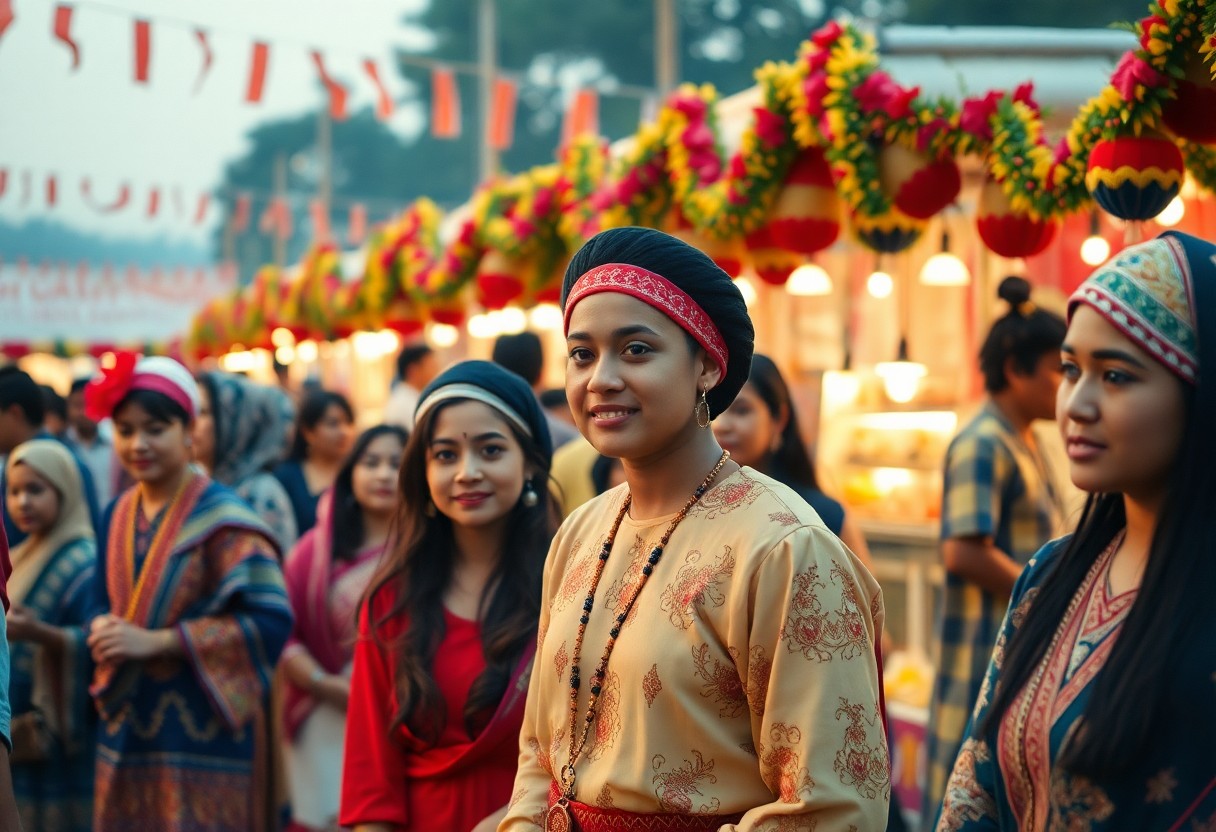
Heritage shapes your understanding of the world and connects you to diverse communities. By exploring cultural diversity, you gain insights into the values, traditions, and histories that define various societies. Engaging with different cultural backgrounds not only broadens your perspective but also enriches your personal and communal experiences. This blog post will investigate into how embracing cultural heritage can foster a greater appreciation for the richness of human life, ultimately enhancing your understanding and relationships with others.
Understanding Cultural Heritage
A deep understanding of cultural heritage allows you to appreciate the unique practices, beliefs, and traditions that define different communities. This understanding enhances your worldview and fosters respect for the diversity that exists in our global society. By embracing various cultural histories, you not only enrich your own life but also contribute to the collective narrative that shapes humanity.
Definition and Importance
Around the globe, cultural heritage encompasses the legacy of physical artifacts and intangible attributes inherited from past generations. It is important because it encapsulates the identity, values, and history of peoples and societies, providing you with a sense of belonging and purpose, while fostering mutual respect and understanding among different cultures.
Forms of Cultural Heritage
On your journey to explore cultural diversity, you’ll find that cultural heritage can be categorized into tangible and intangible forms. Tangible heritage includes physical objects like monuments, artifacts, and traditional architecture, while intangible heritage comprises practices such as folklore, music, language, and rituals passed down through generations. Each form offers insight into the diverse lifestyles and histories that shape our world today.
Definition: Tangible forms of cultural heritage are visible and can be physically interacted with, enabling you to connect to a specific culture through its historical artifacts. These include museums housing ancient relics, traditional buildings that stand as testaments to architectural achievements, and cultural landscapes that narrate the relationship between people and their environment. In contrast, intangible heritage consists of practices and expressions that are learned, performed, and shared within communities, such as traditional dances, local cuisines, and oral traditions. Each form represents an necessary component of cultural identity, inviting you to explore deeper into the rich tapestry of human experience.
The Role of Cultural Diversity
Even in our interconnected world, cultural diversity plays a vital role in shaping your experiences and perspectives. Embracing various cultures fosters creativity, innovation, and a rich tapestry of viewpoints that enhance personal and communal growth. This blend of traditions and customs not only enriches your daily life but also expands your understanding of global narratives, ultimately creating a more harmonious society.
Celebrating Differences
Before you explore into cultural exploration, take a moment to appreciate the vibrant differences that define our world. Each culture brings unique customs, languages, and art forms that contribute to a dynamic human experience. By engaging with these distinctions, you cultivate a deeper connection to the diverse tapestry that enriches your life.
Building Tolerance and Understanding
Understanding various cultures is key to fostering tolerance and acceptance in your community. When you expose yourself to different perspectives, you expand your worldview and develop empathy towards others’ experiences. This process promotes dialogue and collaboration, breaking down barriers that often lead to misunderstanding or conflict.
At the heart of building tolerance and understanding lies the willingness to listen and learn from one another. By actively participating in cultural exchanges, you challenge preconceived notions and stereotypes that may cloud your judgment. Engaging with diverse communities empowers you to grow as an individual, embracing shared values and creating pathways toward peaceful coexistence with those from all walks of life.
Cultural Heritage and Identity
Some elements of cultural heritage play a significant role in shaping who you are. From language accents to traditional clothing, your identity is woven from the rich tapestry of your cultural background. Understanding these influences provides insight into your personal values and helps you appreciate the unique factors that distinguish your individual perspective.
Shaping Personal Identity
One of the most profound ways cultural heritage impacts your identity is through shared customs and narratives. These elements provide you with a sense of belonging and continuity, linking you to your ancestors and their experiences. By embracing these traditions, you not only honor your heritage but also enhance your self-awareness and personal growth.
Fostering Community Bonds
Community bonds are strengthened through the shared appreciation of cultural heritage. When you and your neighbors participate in cultural events, you create opportunities to connect with one another, fostering relationships rooted in mutual respect and understanding. Celebrating diversity within your community encourages collaboration and transforms strangers into friends.
And as you engage in cultural festivities, potlucks, or traditional ceremonies, you cultivate a deeper sense of connection with your community. These shared experiences not only enhance your enjoyment but also reinforce social cohesion, promoting acceptance and tolerance among diverse groups. By participating together, you contribute to a vibrant cultural landscape that celebrates differences while uniting individuals through common values and experiences.
Economic Benefits of Cultural Diversity
Your understanding of cultural diversity can greatly enhance economic growth in various sectors. As cultures intertwine, they create dynamic marketplaces that foster trade and investment opportunities. Diverse perspectives drive better decision-making and can lead to innovative solutions in businesses. By embracing cultural diversity, you can cultivate a thriving economy that attracts talent and boosts productivity, ultimately benefiting your community and society as a whole.
Tourism and Cultural Exchange
Beside bringing financial gain through tourism, cultural diversity fosters meaningful exchanges between individuals from different backgrounds. Travelers often seek authentic experiences that reflect the richness of various cultural traditions, leading to a thriving tourism industry. This exchange not only generates income but also promotes understanding and appreciation across cultures, enhancing social ties worldwide.
Innovation and Creativity
Above all, the blend of diverse cultural influences serves as a catalyst for innovation and creativity. When you engage with different perspectives, you open yourself to new ideas, which can inspire groundbreaking methods and products. In multicultural environments, teams are more likely to think outside the box, leading to a competitive edge in industries that require constant evolution.
Considering the impact of cultural diversity on innovation, it’s clear that exposure to varied viewpoints can transform the way you approach problem-solving. When you collaborate with individuals from diverse backgrounds, you not only gain insights into different consumer needs but also inspire one another to push creative boundaries. This unique fusion of ideas often results in cutting-edge solutions that drive economic growth, creating a marketplace that thrives on originality and mutual respect.
Challenges to Cultural Heritage
For many societies, the preservation of cultural heritage faces significant challenges, often stemming from rapid societal changes and external influences. These complexities can undermine traditional practices and community values, making it vital for you to understand the dynamics that threaten this vital aspect of human identity.
Globalization and Homogenization
Heritage can be at risk due to globalization, as the blending of cultural expressions often leads to the homogenization of unique traditions. As you navigate through a world influenced by global trends, it becomes increasingly important to appreciate and support the distinctiveness of local cultures that may otherwise fade away in the uniformity of shared experiences.
Preservation Efforts
Efforts to protect and revitalize cultural heritage are vital in sustaining its richness for future generations. By engaging in community initiatives, supporting local artisans, and advocating for policies that prioritize heritage conservation, you play a vital role in ensuring that diverse cultural expressions continue to thrive.
Consequently, your involvement in preservation efforts not only safeguards the past but also enhances the cultural landscape of the present. Whether through volunteer work, raising awareness, or participating in cultural events, your actions contribute to the resilience of these traditions. Engaging with local communities and promoting education about their histories can foster appreciation and respect, ensuring that cultural heritage remains a living part of society.
Educational Approaches to Cultural Understanding
Not all education systems worldwide emphasize the importance of cultural understanding, yet this aspect is vital for fostering a global perspective. By incorporating a diverse array of cultural narratives and practices into educational curricula, you can develop a more holistic view of the world. Engaging with various cultures not only enhances your knowledge but also encourages empathy and respect for differing perspectives. Education has the power to bridge gaps and create a more inclusive society.
Integrating Cultural Diversity in Education
Between theory and practice, integrating cultural diversity in education offers a rich tapestry of perspectives that can enhance learning experiences. It is vital for you to advocate for curricula that celebrate diverse cultures, histories, and contributions. This integration not only enriches classroom discussions but also prepares you for a multicultural world. By learning about different backgrounds, you cultivate a sense of belonging and encourage collaboration among peers.
Promoting Multicultural Awareness
After recognizing the importance of cultural diversity, focusing on promoting multicultural awareness becomes vital for your personal and social growth. Engaging with multicultural resources, such as literature, art, and community events, exposes you to various cultural expressions and histories. This awareness develops your social skills and enhances your ability to communicate across cultures, preparing you for a diverse and interconnected world.
Multicultural awareness is not just about understanding other cultures; it is a commitment to embracing and celebrating diversity within your community and beyond. By actively seeking out diverse perspectives and experiences, you deepen your understanding of the complexities of society. Participate in discussions, workshops, and cultural events that encourage dialogue and foster appreciation among different backgrounds. This approach empowers you to contribute positively to society while also enhancing your interpersonal skills, leading to more harmonious interactions in your personal and professional life.
To wrap up
The exploration of cultural diversity emphasizes how your understanding and appreciation of different heritages can profoundly enrich your life. By embracing varied traditions, languages, and customs, you open yourself up to new perspectives that foster empathy and creativity. This not only enhances your personal experiences but also strengthens community bonds, encouraging a more inclusive world. By actively engaging with cultural diversity, you contribute to a tapestry of shared human experiences that celebrates differences while uniting us all.