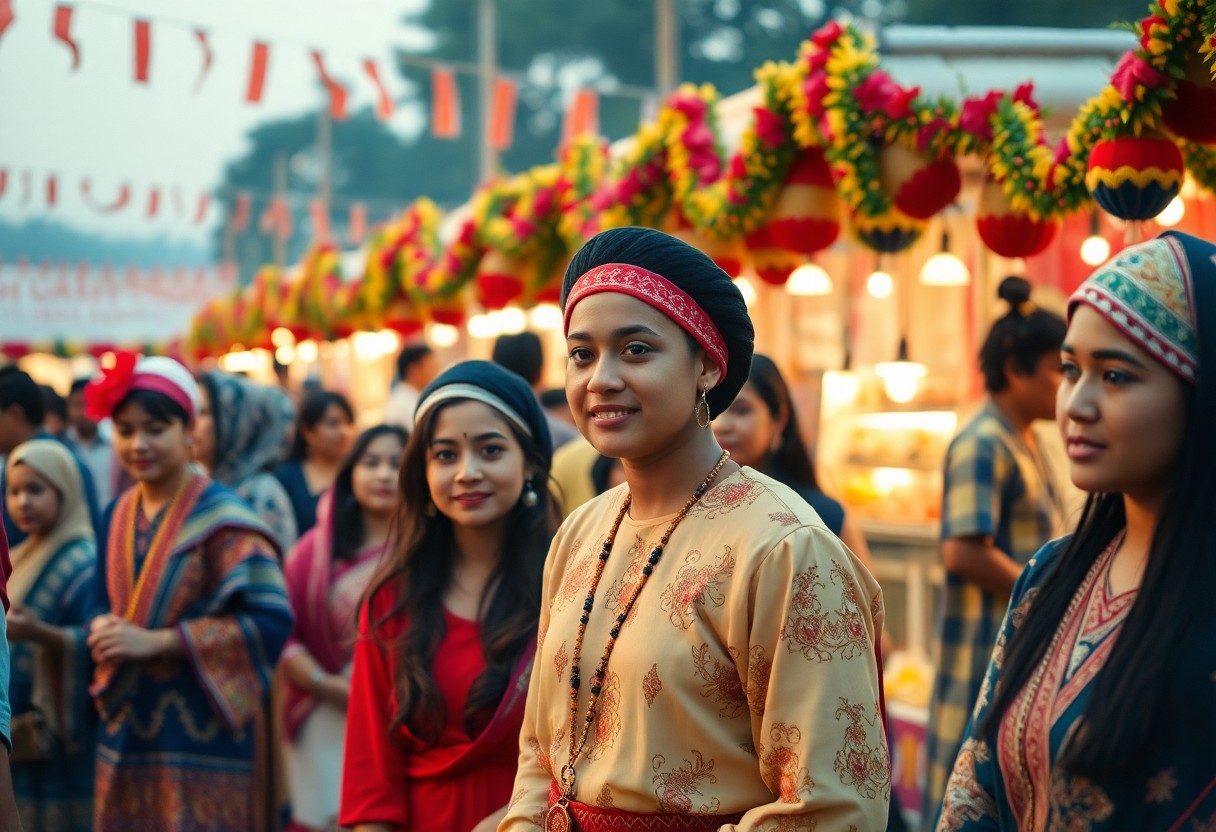
It’s necessary to understand how emerging technologies are reshaping cultural diversity in our interconnected world. As you navigate through innovations like social media, artificial intelligence, and virtual reality, you may notice their impact on cultural exchange and expression. These technologies can foster inclusivity and creativity, allowing diverse voices to be heard and celebrated. However, they also pose challenges, such as cultural homogenization and the potential for misrepresentation. This post will explore the multifaceted ways these advancements influence your perception and experience of cultural diversity.
Defining Emerging Technologies
Your understanding of emerging technologies encompasses innovative tools and systems that are at the forefront of development and adoption. These technologies are characterized by their potential to disrupt existing processes, create new markets, and enhance the way you interact with the world around you. As they continue to evolve, they play a significant role in shaping economic structures, personal experiences, and cultural exchanges.
Overview of Current Technologies
Technologies that are currently shaping our landscape include artificial intelligence, blockchain, nanotechnology, and virtual reality. These innovations are not only altering traditional industries but also offering novel solutions to age-old challenges. As you engage with these advancements, you’ll find that they enhance efficiency and create unprecedented opportunities for collaboration and communication.
Impact on Daily Life
Technologies significantly impact your daily life by streamlining tasks, enhancing connectivity, and facilitating access to information. As you integrate these tools into your routine, you find that they simplify processes, improve decision-making, and foster a sense of community. This transformation enhances your overall experience and promotes diversity in how different cultures interact and share knowledge.
Consequently, the adoption of emerging technologies influences your daily interactions and lifestyle choices. Whether it’s through social media platforms that connect you with diverse cultures or applications that provide insights from various worldviews, these advancements enable you to engage with a broader range of perspectives. This interconnectedness fosters a rich tapestry of cultural exchange, encouraging mutual understanding and appreciation.
Cultural Diversity in the Global Context
Assuming you recognize the intricate tapestry of global cultures, emerging technologies play a pivotal role in shaping and reshaping cultural diversity. The digital landscape, propelled by innovative tools and platforms, fosters cross-cultural interactions and influences. Consequently, you can observe the blending of traditions, languages, and ideas, leading to a dynamic cultural environment that reflects both global integration and local uniqueness.
Understanding Cultural Diversity
On your journey to comprehend cultural diversity, it is necessary to acknowledge the rich variations in beliefs, practices, and identities that exist worldwide. You may find it fascinating how these differences enrich societies and contribute to innovative exchanges, ultimately fostering a deeper appreciation for humanity’s shared experiences.
Factors Influencing Cultural Exchange
Beside the evolution of technology, various factors contribute to cultural exchange in today’s world:
- Globalization and international trade
- Migration and the movement of people
- Social media and communication platforms
- Educational exchanges and collaborations
The interplay of these elements generates opportunities for diverse interactions, enabling you to experience different cultures firsthand.
With each cultural exchange, you witness the transformative power of engagement and immersion. Consider the impact of:
- Shared experiences through travel and tourism
- Artistic collaborations across borders
- Virtual connectivity through online communities
- Increased access to global information through technology
The implications of these factors are profound, allowing you to embrace a world characterized by cultural richness and interconnectedness.
The Role of Social Media
It is undeniable that social media plays a significant role in shaping cultural diversity today. By providing platforms for sharing various cultural expressions, traditions, and experiences, it enables individuals from different backgrounds to connect and learn from one another. As a result, social media serves as a space for both the preservation and evolution of cultural identities, bridging gaps between communities and fostering a greater appreciation for diversity.
Facilitating Cross-Cultural Communication
Between diverse user bases, social media platforms facilitate communication that transcends geographical and cultural boundaries. This connectivity allows you to engage with people who have different perspectives, share cultural practices, and participate in global conversations. Consequently, you are exposed to a wider outlook on life, which can enrich your understanding of the world.
Risks of Cultural Homogenization
For all its benefits, social media also presents risks related to cultural homogenization. As dominant cultures frequently overshadow less-prominent ones, you might notice a decline in unique cultural expressions. This can create a landscape where individualized cultural identities are diluted, leading to a more uniform global culture.
Considering the vast reach of social media, the risk of cultural homogenization becomes increasingly apparent. You may find that widespread trends and viral content often emanate from powerful cultural hubs, causing minor cultures to adopt mainstream norms for recognition. This shift can stifle the authentic expression of diverse traditions, potentially leading to a loss of unique cultural narratives and practices. It is imperative for you to actively seek and promote the variety of voices and stories that reflect the richness of our global heritage.
The Influence of Artificial Intelligence
Unlike traditional technologies, artificial intelligence (AI) adapts quickly to changing cultural landscapes, reshaping how you access, create, and consume content. By analyzing vast amounts of data, AI algorithms can cater to diverse preferences, ultimately enhancing cultural diversity and providing you with personalized experiences that resonate with your unique background.
AI in Content Creation
Intelligence is revolutionizing content creation by enabling you to generate tailored narratives, art, and music. AI tools can learn from your preferences, giving rise to unique content that reflects your cultural identity while also introducing you to a variety of influences from around the world.
Algorithms and Cultural Representation
Cultural representation is heavily influenced by the algorithms that curate your online experiences. These algorithms can either amplify diverse voices or reinforce stereotypes, impacting how you perceive various cultures and communities.
With the increasing reliance on algorithms to determine what content you see, understanding their influence on cultural representation becomes vital. These algorithms can perpetuate biases if they draw from unrepresentative datasets, thus shaping your worldview in ways you may not be aware of. It’s important for you to engage critically with the information presented, recognizing that behind every recommendation lies a set of choices that can either broaden or limit your cultural exposure.
Virtual Reality and Augmented Reality
Once again, technology has revolutionized how we perceive and interact with cultures through Virtual Reality (VR) and Augmented Reality (AR). These immersive technologies provide you with opportunities to experience diverse cultural environments, traditions, and practices that may be geographically distant. By breaking down physical barriers, VR and AR foster a sense of inclusivity and broaden your understanding of cultural diversity in unprecedented ways.
New Dimensions of Cultural Experience
For you, VR and AR offer new dimensions of cultural experience, enabling you to engage in interactive storytelling and explore cultural artifacts in a virtual space. This hands-on approach helps deepen your comprehension of global cultures by allowing you to immerse yourself in their stories, festivals, and daily lives, thereby enriching your overall cultural awareness.
Challenges in Preservation of Authenticity
Cultural preservation becomes a complex task as VR and AR technologies evolve. You may encounter instances where digital representations of cultures risk becoming diluted or misinterpreted, affecting your understanding and appreciation for their authenticity. Balancing immersive experiences with cultural integrity is vital for ensuring that emerging technologies enhance, rather than compromise, cultural identities.
Virtual experiences often prioritize entertainment over authenticity, leading to a portrayal that may not accurately reflect the cultural nuances of a community. This can result in stereotyping or misconstrued representations that distort your perception of a culture. Engaging with local communities during the creation of VR and AR content is vital to maintain a connection with the reality of cultural expressions, ensuring that the essence of the culture is preserved while you enjoy these valuable technologies.
Globalization vs. Cultural Preservation
Many societies face the intricate challenge of balancing the pressures of globalization with the need to preserve their unique cultural identities. While global connectivity introduces new technologies, ideas, and practices that can enrich cultural expression, it can also lead to the dilution or even loss of traditional customs and languages. The ongoing narrative between embracing modern influences and safeguarding heritage becomes necessary for communities looking to protect their cultural diversity while participating in a globalized world.
Balancing Modernization and Tradition
Behind every community’s struggle lies a desire to find a harmonious balance between modernization and tradition. You may find that cultural institutions, local governments, and artists play pivotal roles in promoting initiatives that honor traditional practices while integrating contemporary influences. This delicate act enables societies to evolve without completely sacrificing their rich cultural legacies, fostering an environment where innovation and tradition coexist.
Case Studies of Cultural Resilience
After examining numerous case studies, it becomes apparent that cultural resilience is not only achievable but also evident across various communities. You can observe how different societies have navigated the complexities of modernity while maintaining their heritage through the following examples:
- 1. The Maori of New Zealand: Over the past 20 years, the Maori language has seen a revival, with over 25,000 students enrolled in language immersion programs.
- 2. Indigenous Australian Artists: In the last decade, there has been a 70% increase in Indigenous-owned art galleries, showcasing traditional and contemporary Aboriginal art.
- 3. The Okinawan Culture in Japan: Okinawa has attracted 10,000 annual visitors for cultural workshops focusing on traditional crafts and cuisine.
- 4. The Saami of Scandinavia: Recent tourism initiatives have increased Saami cultural awareness, resulting in a 45% rise in interest in traditional Saami events over five years.
Tradition plays an necessary role in cultural resilience, as you can see from these case studies. They illustrate that communities are adopting innovative ways to engage with their cultural heritage amid globalization. By focusing on education, art, and tourism, you can witness how nurturing traditional practices leads to greater awareness and appreciation of cultural diversity, allowing these groups to thrive in an ever-evolving world.
To wrap up
On the whole, you can see that emerging technologies significantly influence cultural diversity by shaping how you communicate, share ideas, and access information. As you engage with different mediums, your perspective can broaden, enabling you to appreciate and understand diverse cultures. However, you must be aware of the potential for cultural homogenization and seek to actively participate in preserving the uniqueness of various traditions and identities. By embracing technology thoughtfully, you can contribute to a richer, more inclusive cultural landscape.