Tag Archives: Marketing

How Content Marketing Supports Long-Term SEO Growth

Just by publishing consistent, high-quality content, you build authority and trust with both users and search engines. You answer real questions, target relevant keywords, and create pathways for organic traffic to grow over time. This ongoing effort strengthens your site’s relevance, helping you rank higher and stay competitive in search results.

The Compound Interest of Narrative Assets

Every blog post, video, or guide you publish acts like a deposit in a long-term content account. Over time, these narrative assets gather traction, linking together to form a cohesive body of work that search engines recognize and reward. Your consistent storytelling builds both audience trust and algorithmic favor, fueling organic growth long after publication.

Accumulating Authority Through Consistency

You strengthen your site’s credibility each time you publish relevant, well-researched content. Search engines notice patterns-regular updates signal reliability and expertise. This steady output compounds, positioning your brand as a go-to resource in your field. Authority isn’t built overnight, but through repeated, valuable contributions over time.

Reaching the Tipping Point of Visibility

There comes a moment when your content begins to surface more frequently in search results. This isn’t luck-it’s the result of accumulated relevance and trust. Once enough quality content is in place, new pieces gain traction faster, and older ones start ranking for unexpected queries, expanding your reach with minimal added effort.

What makes the tipping point powerful is how it transforms your content strategy from effort-driven to momentum-driven. You’ll notice older articles gaining backlinks and traffic months after publishing, while new content ranks quicker due to established domain strength. This shift happens silently, but its impact is measurable: higher organic visibility, increased referral opportunities, and sustained growth that feels less like pushing and more like guiding. Your past work becomes the foundation for future discovery.

The Stickiness Factor of Semantic Networks

Search engines now interpret content through interconnected ideas, not isolated terms. By building semantic networks, your content becomes more contextually relevant, helping pages rank for related queries over time. This layered relevance keeps your site visible longer, creating a self-reinforcing cycle of authority and discovery.

Moving Beyond Keywords into Conceptual Clusters

You’re no longer limited to matching single search terms. Grouping content around topic clusters signals depth to search engines. When your pages interlink around a central theme, they collectively strengthen each other’s relevance and improve domain authority over time.

Satisfying the Hidden Intent of Seekers

You often search with a goal in mind, not just a word. Content that anticipates underlying questions-like “how,” “why,” or “which is best”-ranks better because it aligns with what users truly want. Answering these unspoken needs builds trust and keeps people engaged.

Search intent goes beyond surface-level queries. When you write content that addresses the real motivations behind searches-such as comparison, troubleshooting, or validation-you create pages that resonate longer. These pieces tend to earn more backlinks, reduce bounce rates, and rank for a wider array of queries, compounding SEO value over months and years.

The Natural Law of Link Attraction

Content that delivers real value follows a simple principle: it draws links naturally over time. When you consistently publish insightful, accurate, and useful material, other websites begin citing your work without prompting. This organic accumulation of backlinks strengthens your domain authority and signals trust to search engines, fueling long-term SEO growth.

Creating Magnets for Digital Citations

You earn inbound links not by asking, but by solving problems others don’t. Original research, clear data visualizations, and comprehensive guides become reference points across the web. When your content answers questions better than anyone else, it becomes the default source-naturally attracting citations that boost visibility and ranking potential.

Establishing Preeminence in the Information Economy

Authority grows when you consistently publish what others reference. Search engines prioritize sources that demonstrate depth, accuracy, and reliability. By becoming the go-to resource in your niche, you position your site as a trusted voice-rewarded with higher rankings and sustained organic traffic over time.

Being seen as the leading source doesn’t happen overnight. It requires publishing content that stands the test of scrutiny, updates with new insights, and addresses topics with unmatched clarity. Over months and years, this consistency tells search algorithms that your site deserves top placement. You’re not just sharing information-you’re shaping understanding, which is how true digital authority is built and maintained.

Resilience Against Algorithmic Shifts

Search engines change often, but your content doesn’t have to break under pressure. When you focus on quality, clarity, and user needs, your pages stay relevant no matter how algorithms evolve. You’re not chasing signals-you’re building trust that lasts.

Building Foundations That Withstand Volatility

You create stability by publishing content that answers real questions. Each well-researched piece becomes a node in a larger network of value, helping search engines recognize your site as a consistent source of useful information, even when ranking factors shift unexpectedly.

The Enduring Power of Original Insight

You stand out not by repeating what’s already online, but by offering something only you can say. Unique perspectives resist devaluation because they can’t be replicated, giving your content staying power that generic articles will never match.

Original insight goes beyond surface-level summaries. When you share firsthand experiences, data from internal research, or thoughtful analysis shaped by your expertise, you create content that remains useful and link-worthy for years. This kind of depth doesn’t just attract attention-it earns authority in a way algorithm updates can’t diminish.

The Psychological Hook of Brand Loyalty

Consistent content builds emotional connections that go beyond transactions. You return to brands that feel familiar, that speak your language, and anticipate your needs. Over time, this familiarity turns casual visits into habitual engagement, creating a feedback loop where loyalty fuels repeat traffic-and search engines notice.

Converting Casual Searchers into Devoted Readers

Every well-structured article gives readers a reason to stay, explore, and return. You don’t just answer a query-you offer clarity, insight, and value that make them want more. When your content consistently meets expectations, occasional visitors become regular followers who actively seek your perspective.

Trust as an Unseen Ranking Factor

Search engines prioritize sites users rely on, even if trust isn’t a direct metric. You earn this through accuracy, transparency, and consistency. When people spend more time on your pages, return frequently, and share your content, algorithms interpret those behaviors as signals of credibility and relevance.

Trust grows quietly but impacts rankings powerfully. You build it by citing sources, correcting errors openly, and maintaining a consistent tone and quality across hundreds of posts. Over time, Google associates your domain with authority, allowing newer pages to rank faster and maintain position longer, even with minimal backlinks.

To wrap up

With this in mind, you build lasting SEO results by consistently publishing valuable content. Search engines reward relevance, authority, and user engagement-elements content marketing strengthens over time. You earn backlinks, increase dwell time, and answer real user queries, all of which signal trust to algorithms. Your sustained effort compounds, driving organic visibility year after year.


How Search Engine Optimization Helps Businesses Build Online Visibility

Over 90% of online experiences begin with a search engine. You rely on visibility to attract customers, and SEO ensures your business appears when people search for what you offer. By optimizing your website, you improve rankings, gain trust, and increase traffic without paying for ads.

The Hunt to be Seen

Every business wants customers to find them online, but standing out takes more than just having a website. You’re competing with countless others for attention, and visibility doesn’t happen by accident. Search engines are the starting point for most buying decisions today, making it necessary to appear where people are looking.

The rules of the search

Search engines follow clear patterns to rank content. You must align with how they assess relevance, authority, and user experience. Simple choices like keyword use, page speed, and mobile design influence whether your site surfaces or sinks. Play by these rules, and you gain ground.

Moving toward the front

Position matters-most clicks go to the first few results. You don’t need to be number one overnight, but consistent improvements pull you closer. Optimizing titles, content, and technical structure signals to search engines that your site deserves attention.

Improving your position isn’t about tricks or shortcuts. It’s built on creating valuable content that answers real questions, using keywords naturally, and ensuring your site loads quickly and works well on all devices. Over time, these efforts compound, increasing your chances of ranking higher and staying there when customers search for what you offer.

The Words That Matter

You shape how people find you online by choosing the right language. The phrases people type into search engines reveal what they truly seek. Matching your content to those queries builds relevance and trust, helping your business appear when it matters most.

Finding the right terms

Research uncovers the exact phrases your audience uses daily. Tools show search volume and competition, letting you focus on terms that balance reach and relevance. You gain an edge when your content aligns with real-world questions.

Speaking to the reader

Words that resonate feel natural, not forced. You connect when your tone matches the reader’s intent, answering their needs clearly and directly. Clarity builds credibility, turning searchers into customers.

When you speak plainly and address real concerns, your content becomes a solution, not just information. Search engines reward this authenticity with better rankings. You don’t need jargon-just honest answers in the words your audience already uses. That’s how trust grows.

The Power of Others

Others amplify your presence when they talk about you online. Positive mentions from customers, partners, or industry leaders signal trust to search engines and potential clients alike. You gain visibility not just through your own content, but through the voices that endorse it.

Help from the high places

Authority sites linking to your content boost your credibility in search rankings. When established platforms reference your business, search engines interpret it as a sign of relevance and reliability. You benefit from their reach and reputation.

A name that lasts

Consistent online mentions build a lasting identity. Over time, your brand becomes recognizable across search results, directories, and social platforms. You stay visible long after the initial interaction.

Your brand’s longevity grows each time someone searches for your niche. Repeated exposure through optimized content and organic mentions cements your name in the minds of customers. You’re not just found-you’re remembered.

A Smooth Road

Every business wants to be found easily online, and search engine optimization paves the way. You’re not just chasing rankings-you’re building a path users can follow straight to your content, products, or services. SEO makes that journey predictable, efficient, and effective.

The need for speed

Your website’s loading time shapes how visitors perceive your brand. Slow pages frustrate users and increase bounce rates. Search engines prioritize fast-loading sites, so improving performance helps you rank higher and keep people engaged longer. Speed isn’t optional-it’s expected.

A clear way forward

Your site’s structure guides both users and search engines. A logical hierarchy with clean navigation helps visitors find what they need quickly. This clarity improves user experience and boosts your chances of ranking for relevant queries.

Organizing your content with clear categories, descriptive URLs, and internal links gives search engines stronger signals about your site’s relevance. When you make information easy to access, you increase time on site and reduce confusion. This builds trust with your audience and strengthens your online presence over time.

The Home Ground

Your website is your digital storefront, the foundation where customers first encounter your brand. Search engine optimization ensures it’s not just present, but prominent. When you optimize your site effectively, search engines can easily understand and rank your content, making it more likely to appear when potential customers search for what you offer.

Marking the map

Local SEO puts your business on the radar of nearby customers. By claiming your Google Business Profile and ensuring consistent name, address, and phone number across directories, you signal to search engines that you’re a legitimate local presence. This increases your chances of showing up in local search results and map listings.

Serving the neighbor

You attract nearby customers by aligning your content with local search intent. Using neighborhood-specific keywords, posting local events, and gathering reviews from community members build trust and relevance. Search engines favor businesses that engage meaningfully with their immediate audience.

When you focus on serving the neighbor, you’re not just chasing rankings-you’re building relationships. Customers searching for “coffee shop near me” or “plumber in [your town]” want fast, reliable options. By optimizing for these hyper-local queries and maintaining accurate business information, you position yourself as the go-to solution in your area. Real people rely on these results daily, and being visible means being chosen.

The Long Trail

Your journey to online visibility doesn’t end with a single update or keyword fix. SEO is an ongoing process that builds momentum over time, much like a trail that grows clearer with every step you take. Consistent effort compounds, leading to stronger rankings and greater reach.

Staying in front

Search rankings shift daily as competitors adapt and algorithms evolve. You must keep refining your content, updating pages, and monitoring performance to maintain your position. Falling behind means losing ground to others already investing in their visibility.

Reading the signs

Analytics reveal how users find and interact with your site. You see which pages attract traffic, where visitors drop off, and what queries lead them to you. These signals guide smarter content decisions and technical improvements that align with real user behavior.

When you study your analytics closely, patterns emerge that inform your next moves. A sudden drop in traffic might point to a technical issue or algorithm update. A spike from a long-tail keyword suggests an opportunity to expand related content. You’re not guessing-you’re responding to evidence, adjusting your strategy based on what users actually do, not what you assume they’ll do. This constant feedback loop keeps your SEO efforts grounded and effective.

Final Words

So you build online visibility not by chance, but by aligning your content with how people search. Search engine optimization puts your business in front of the right audience at the right time. You earn higher rankings, gain trust, and drive consistent traffic-all through strategic, ongoing adjustments that reflect real user behavior and search engine standards.

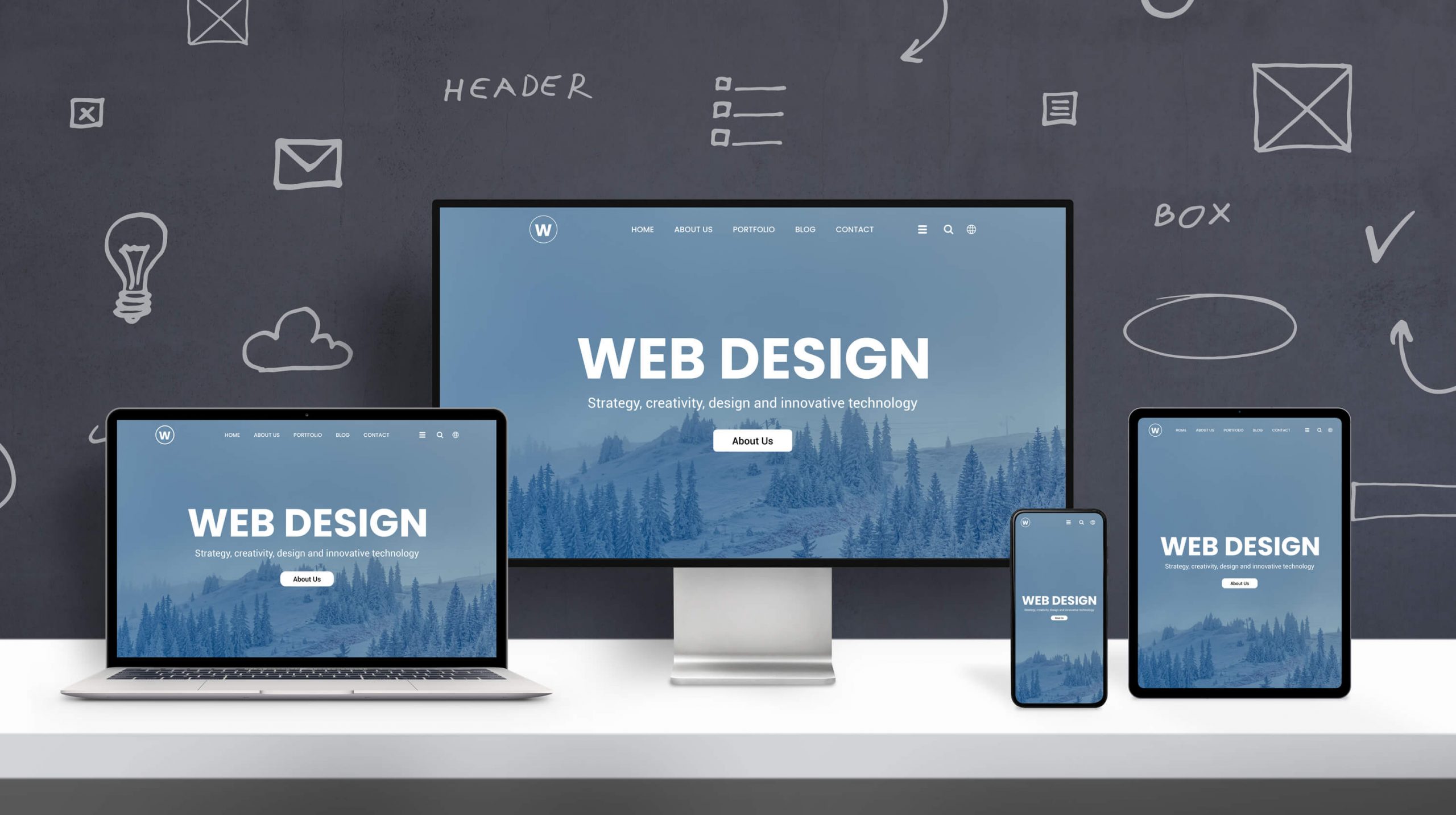
4 Best Practices for Association Web Design

4 Best Practices for Association Web Design

Associations need to have web designs that are affordable, easy to navigate, and professional. A good website design will not only attract new members but also retain current ones. A well-designed site is an investment in the future of your association.

It might be tough to build a website for an organization if you don’t have the coding or webmaster skills. There’s no need to be concerned! Our content management system is built in accordance with design best practices:

Keep all aspects of your logo, menus, and other materials consistent.

Make sure you follow accessibility standards.

An intranet network, as well as private pages, may be created.

Make sure your website is mobile-accessible.

Designing a website that is useful and helpful for your members will help them spend more time on it. To make sure this happens, think about what type of things you want people coming to visit the site (i..e., information) as well as how we can make our web pages easier to navigate with features like shortcuts or logos at each section entrance point!

4 Tips For Improving Your Association’s Website

Keep all aspects of your logo, menus, and other materials consistent.

A website is a perfect way to show off your association’s branding and mission. Your site should contain the same components as other public-facing elements such as marketing materials or social media sites in order for people to be able to connect the dots between all of those outlets!

For 2 reasons, maintaining a consistent brand is critical to the success of your website:

  • A brand is what sets your organization apart from all others. With a strong, consistent image that captures the hearts and minds of its audience members time after time again – you will have no problem recruiting new members or getting people excited about upcoming events!
  • To avoid mixing members, your organization should have a single brand that is used across all activities. This way they’ll know what to expect from you and it will give their impression of the organization greater credibility with potential donors or volunteers!

Make sure you follow accessibility standards.

The accessibility of your website is a key factor in ensuring that people with disabilities can easily navigate the site’s content. In this day and age, most web users have assistive technologies at their disposal which makes it important for you as a developer or designer not only to consider how someone will look but also what they hear when viewing graphics on screen!

Simple techniques for keeping your website up and running:

  • People with visual impairments can read web content more easily thanks to a high contrast ratio. The color of your text doesn’t matter, as long as it’s easy to read against its background.
  • Don’t make your readers work hard. Keep things clear and easy to understand by utilizing sans-serif typefaces in the greatest web content, such as Google or Bing search engines!
  • The alt text gives information to individuals using screen readers about an image or graph on a website, ensuring that they will not experience any gaps in their browsing experience even if they are unable to see clearly.
  • Consider utilizing free online solutions when creating captions and transcripts for videos. These can help with closed-captioning on your multimedia elements like podcasts or video content where it may be difficult for the viewer/listener to understand what is being said without pausing playback often enough between segments of speech.
  • A great way to make your website more user-friendly is by adding an accessibility widget. Associations are able, with the help of their CMS (content management systems), to add these interactive features so that visitors can change the font size or color schemes easily on any device!

An intranet network, as well as private pages, may be created.

As a leader in the profession, networking is an essential part of your job. This includes facilitating opportunities for members who have common interests and values to form bonds through events or online resources that are open only if they represent the field you do- such as blogs about what attorneys do on matters related specifically to these fields (i.e., profiles).

An association-focused CMS might make it simpler to securely share information among members, create a robust community, and demonstrate the value of being a member.

Some recommendations to keep your members-only online resources safe:

  • New accounts should be rejected as quickly as they appear, and any suspicious registrations should be investigated.
  • Encourage your team members to change their passwords on a regular basis.
  • To protect your site, you should require a two-factor authentication sign-in method.

Make sure your website is mobile-accessible.

Websites that aren’t designed for mobile devices are bothersome to browse. You have no choice but to tap and zoom when viewing pages, images, or videos which makes reading difficult on these small screens due to the lack of real estate available with your fingers!

Given that many individuals are always on their phones, tablets, and computers for work or personal use, being able to communicate with any information is critical. It also includes your future events, in addition to everything else!

Here are some simple measures you can take to make your site mobile-friendly:

  • Check to see whether the CMS you’re using automates mobile adaptation.
  • By adding drop-down menus and single input areas, you can create forms like your donation or membership form “thumb-friendly.”
  • To create an effective website, you need to make sure that pop-up windows scale down and away from mobile devices. This will allow visitors the option of quitting these annoying advertisements if they wish so without any harm done or waste of time spent reading them on our site!
  • To improve the speed of your website, compress pictures.

When you make your website mobile-friendly, members of the organization will be able to use and access it on a regular basis. Any items or content shared directly from their phones might now direct users to an event or resource that they may need!

Would you like to design an amazing, mobile-friendly website without giving up the sleek look of your current site? Check out Dead on Design for inspiration! They have captivating designs that can be mimicked in our own work.