Category Archives: Uncategorized

In What Ways Can Innovative Technology Elevate Your Travel Lifestyle Experience?

Over the years, travel has evolved dramatically, thanks largely to innovative technology that enhances every aspect of your journeys. From seamless booking systems to advanced navigation tools and immersive experiences, these technological advancements empower you to explore new destinations with ease and confidence. Whether you’re a frequent flier or an occasional vacationer, understanding how to leverage these tools can transform not just how you travel, but also how you connect with different cultures, make memories, and enjoy your adventures to the fullest.
Smart Travel Apps

Before initiateing on your next adventure, smart travel apps can significantly enhance your overall travel experience. These innovative tools streamline various aspects of your journey, providing you with vital information at your fingertips. From booking accommodations to finding local attractions, these apps are designed to simplify and enrich your travel lifestyle, ensuring you make the most of every moment.

Seamless Itinerary Planning

After downloading a smart travel app, you can effortlessly plan your itinerary, packing all your travel details in one place. This eliminates the stress of coordinating different reservations and allows you to visualize your entire journey. With features like easy modifications and reminders for key activities, you can focus on enjoying your travels instead of worrying about logistics.

Personalized Recommendations

Behind every great travel experience lies the power of personalized recommendations. Smart travel apps utilize data analytics to understand your preferences, suggesting everything from unique dining spots to exciting activities that align with your interests. This means that you can discover hidden gems and tailor your itinerary to suit your travel style.

Plus, leveraging the capabilities of personalized recommendations not only saves you time but also enhances your travel enjoyment. Imagine receiving suggestions based on your past trips or current interests—whether you’re a foodie, adventure seeker, or culture enthusiast. These tailored insights help you immerse yourself in local experiences, connecting you more deeply with each destination you visit. By using smart travel apps, your explorations become richer and more fulfilling.

Wearable Technology

The rise of wearable technology has revolutionized how you travel, making it easier to stay connected and manage your lifestyle on the go. From smartwatches to fitness trackers, these devices can enhance your travel experience by providing real-time information, improving your comfort, and allowing you to track your activities seamlessly. By integrating innovative tech into your travel wardrobe, you can enjoy a more efficient and enjoyable journey.

Health Monitoring on the Go

Above all, health monitoring on the go enables you to track vital metrics such as heart rate, sleep patterns, and physical activity levels while you travel. This allows you to maintain your wellness routines, ensuring that you feel your best regardless of your destination. With this data at your fingertips, you can make informed adjustments to your itinerary or exercise plans, empowering you to prioritize your health as you explore new places.

Navigation and Language Tools

Monitoring your surroundings and communicating effectively while you travel is now easier than ever thanks to navigation and language tools integrated into wearable technology. Smartwatches and augmented reality glasses can provide turn-by-turn directions, help you discover local attractions, and offer instant translations for seamless interaction with locals. This not only enhances your travel experience but also helps you navigate unfamiliar environments with confidence.

Hence, by leveraging these innovative navigation and language tools, you can enhance your travel experience significantly. Using real-time GPS tracking, your wearable device can direct you to hidden gems off the beaten path or help you appreciate local culture effortlessly through live translations. This empowers you to explore with ease, fostering deeper connections with the places you visit and ensuring that language barriers don’t hinder your adventures.

Virtual and Augmented Reality

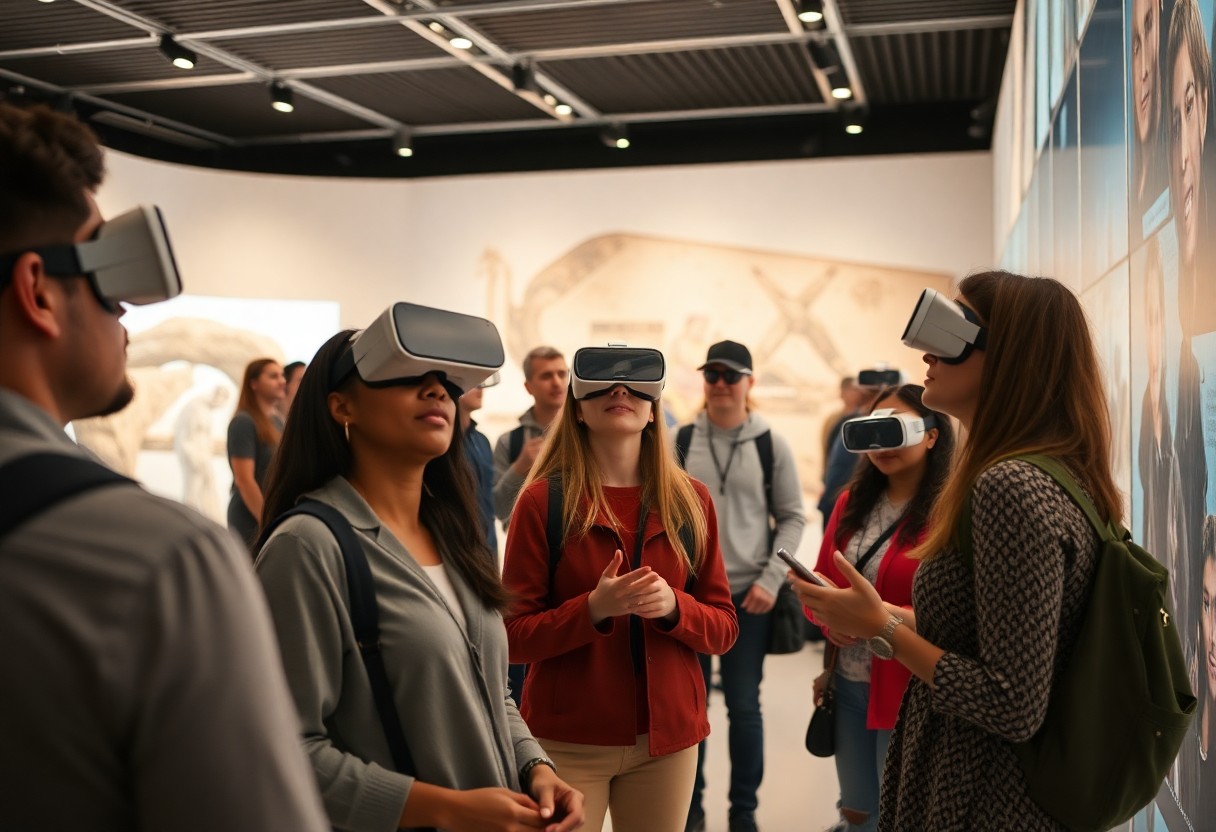
You can transform your travel experiences through innovative virtual and augmented reality technologies. These advancements provide you with immersive ways to explore destinations, allowing you to pre-plan and enhance your trips like never before. You can visualize historical sites, navigate foreign environments, and interact with cultures in a way that was previously unimaginable, all from the comfort of home or on the go.

Pre-Travel Exploration

Around every corner of your travel plan lies the potential for discovery through virtual reality. You can step into popular attractions, stroll through vibrant streets, and experience cultural landmarks before you actually visit them. This powerful exploration tool helps you curate a personalized itinerary, making your travels more efficient and enjoyable.

Enhanced On-Site Experiences

Behind the scenes of your travels, augmented reality enhances your encounters in real-time. As you explore a location, your mobile device can provide contextual information about historical landmarks, local cuisine, and cultural nuances. This technology ensures that you gain deeper insights and enriches your overall experience by bridging the gap between the physical environment and digital information.

Pre-travel, augmented reality applications enable you to scan your surroundings while viewing additional information, including historical context or recommendations for nearby restaurants. This dynamic interaction allows you to immerse yourself in your surroundings completely, transforming how you experience different cultures. As you walk through ancient ruins or bustling marketplaces, these technologies help you uncover hidden gems that enhance your travel narrative, making every trip not just an adventure, but a profound journey of discovery.

Sustainable Travel Solutions

All travelers can contribute to a more eco-friendly world by embracing sustainable travel solutions. Innovative technology is making it easier for you to reduce your carbon footprint while enjoying your trips. From eco-conscious bookings to smart waste management systems, these advancements provide you with the tools you need to make responsible choices, keeping the environment in mind as you explore new destinations.

Eco-Friendly Transportation Options

Options for transportation have become increasingly green, allowing you to choose environmentally-friendly methods when traveling. Electric vehicles, cycling, and public transport reduce emissions and can enhance your travel experience. Embracing alternatives like car-sharing services or electric scooters not only supports sustainable practices but also adds a layer of adventure to your journeys.

Green Accommodation Choices

For the environmentally conscious traveler, green accommodation choices can significantly impact your overall travel footprint. Selecting hotels and lodgings that prioritize sustainability helps you support businesses implementing eco-friendly practices. These accommodations often feature renewable energy sources, waste reduction programs, and local sourcing policies, which ultimately enrich your travel experience.

Accommodation plays a pivotal role in your eco-travel journey, as opting for green-certified hotels ensures that your stay is both enjoyable and environmentally responsible. Many eco-friendly accommodations provide amenities such as organic toiletries, locally sourced meals, and energy-efficient appliances. By choosing such places, you’re not only staying in a comfortable environment but also supporting initiatives that focus on sustainability, making your trip a more meaningful experience.

Smart Luggage Innovations

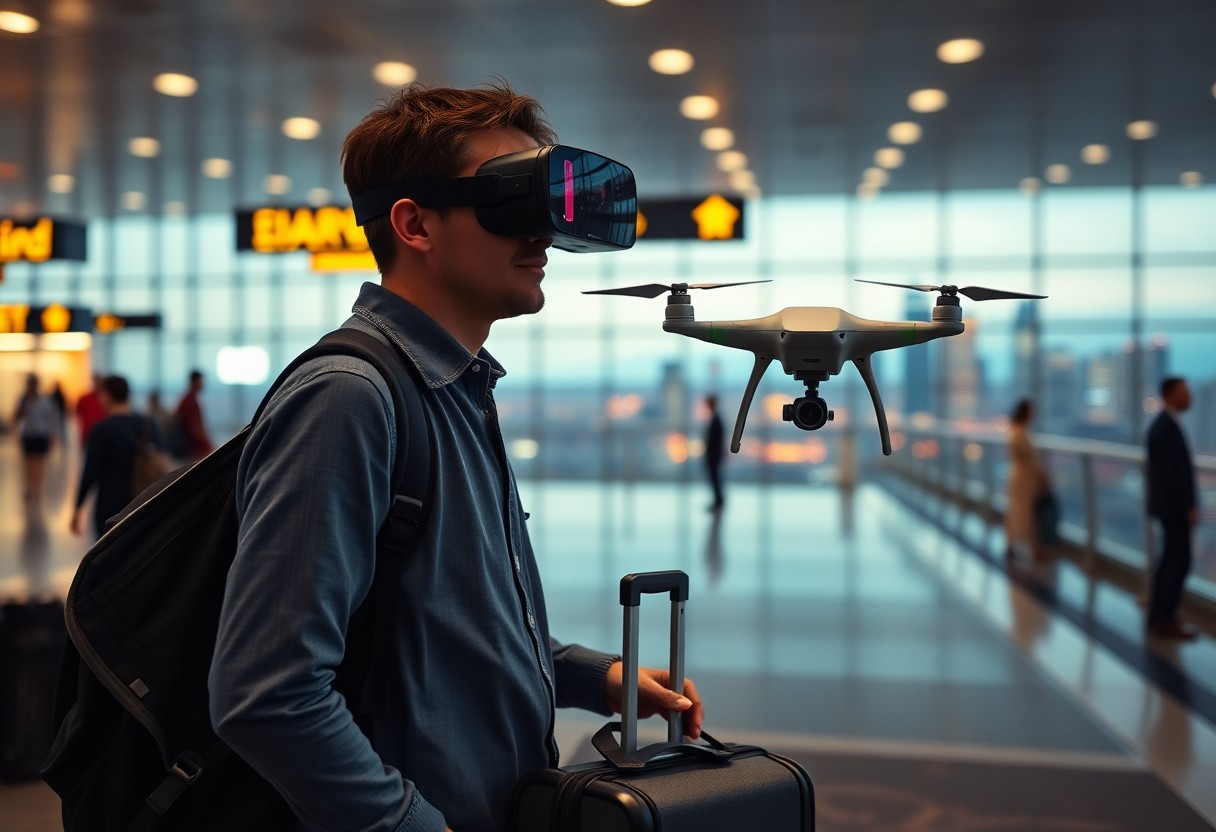
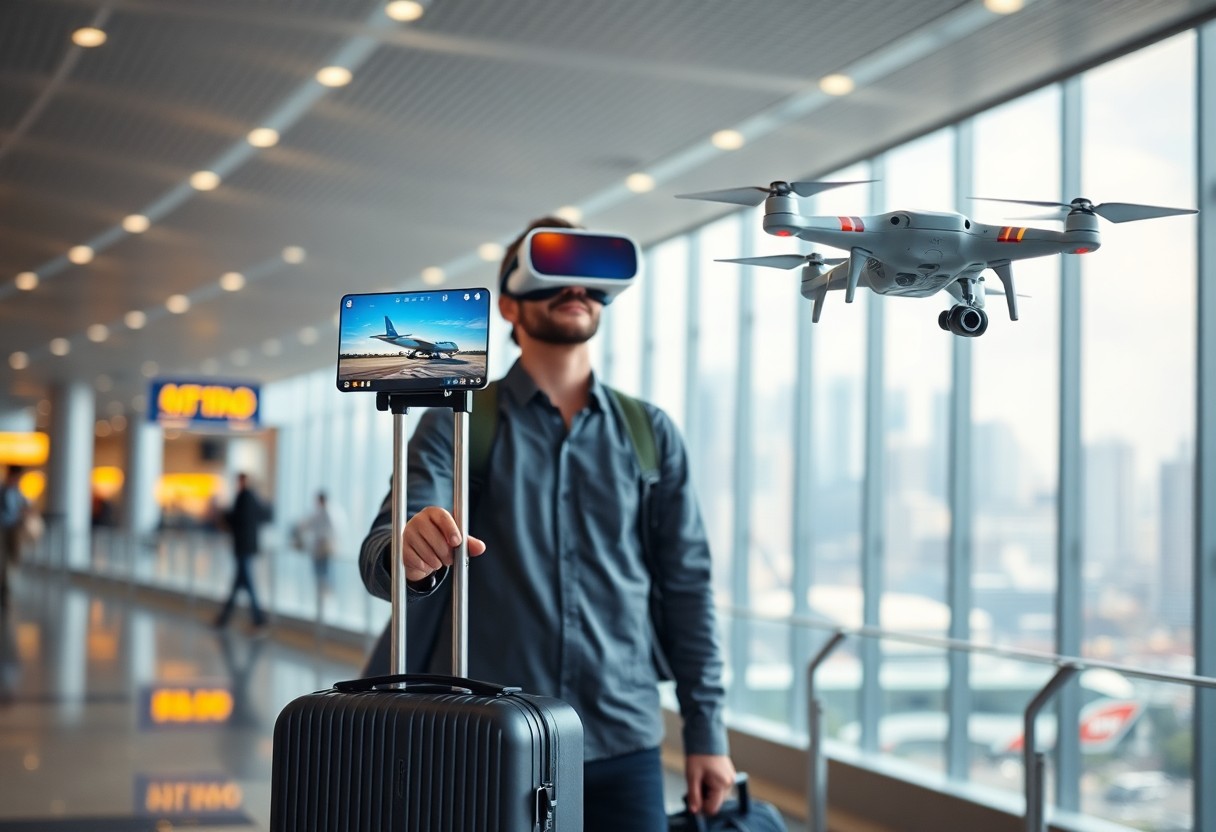
Now, innovative smart luggage features are transforming the way you travel. With cutting-edge technology integrated into your travel gear, you can enhance your travel experience through smarter design and more efficient use of your time. These high-tech solutions not only improve convenience but also provide peace of mind, allowing you to focus on enjoying your journey.

Tracking and Security Features

Smart luggage often comes equipped with GPS tracking capabilities, enabling you to monitor your bag’s location in real-time. This technology significantly reduces the anxiety of lost luggage by providing updates directly to your smartphone. Additionally, security features like biometric locks and RFID-blocking compartments help safeguard your belongings, ensuring that you can travel confidently knowing your items are protected.

Convenience Enhancements

At the forefront of smart luggage innovations, convenience enhancements streamline your travel process. Things like built-in chargers, weight sensors, and even self-driving capabilities can save you time and effort during your journey.

Enhancements such as integrated USB ports allow you to charge your devices on-the-go, ensuring you stay connected throughout your travels. Weight sensors alert you when your bag is over the limit to help avoid excess baggage fees. Furthermore, some smart luggage models feature self-propelling wheels that follow you, alleviating the need to drag your bag through crowded airports. These conveniences not only make your experience more enjoyable but also enable you to travel more efficiently.

The Role of Social Media

Unlike traditional travel guides, social media platforms provide real-time insights and updates that can enhance your travel experience. You can follow travel influencers, local experts, and even your friends to receive tips, reviews, and recommendations tailored to your interests. This immediacy allows you to make informed choices and discover unique experiences that you may not have found otherwise.

Travel Inspiration and Insights

Any traveler can attest to the power of social media in igniting wanderlust. Platforms like Instagram and Pinterest serve as endless sources of travel inspiration, showcasing breathtaking destinations, hidden gems, and unique itineraries. By exploring these visuals, you can cultivate new ideas for your adventures and gain insights into the types of experiences you wish to pursue.

Building Community Connections

Across social media platforms, you can engage with like-minded travelers who share your passion for exploration. By participating in discussions, sharing your experiences, and asking questions, you create a network of contacts who can offer travel tips and local advice. These interactions not only enhance your knowledge but can also lead to friendships that span the globe.

Role at the heart of building community connections is the exchange of experiences and tips that enrich your travel journey. When you actively participate in travel communities, whether through Facebook groups, forums, or Instagram stories, you allow yourself to learn from others and share your own insights. This two-way interaction fosters a sense of belonging while ensuring that you have access to a wealth of information collected from fellow travelers. Ultimately, these connections can lead to collaborations, meet-ups during your travels, and even lifelong friendships, all of which can elevate your overall travel lifestyle experience.

Summing up

As a reminder, innovative technology can significantly enhance your travel lifestyle by simplifying logistics, enriching personal experiences, and connecting you with a global community. From smart packing apps that optimize your luggage to immersive virtual tours that allow you to preview destinations, technology empowers you to travel smarter and more efficiently. By leveraging tools like real-time translation, AI-driven recommendations, and seamless booking systems, you can tailor your journeys to better suit your preferences while exploring new cultures and adventures with ease.
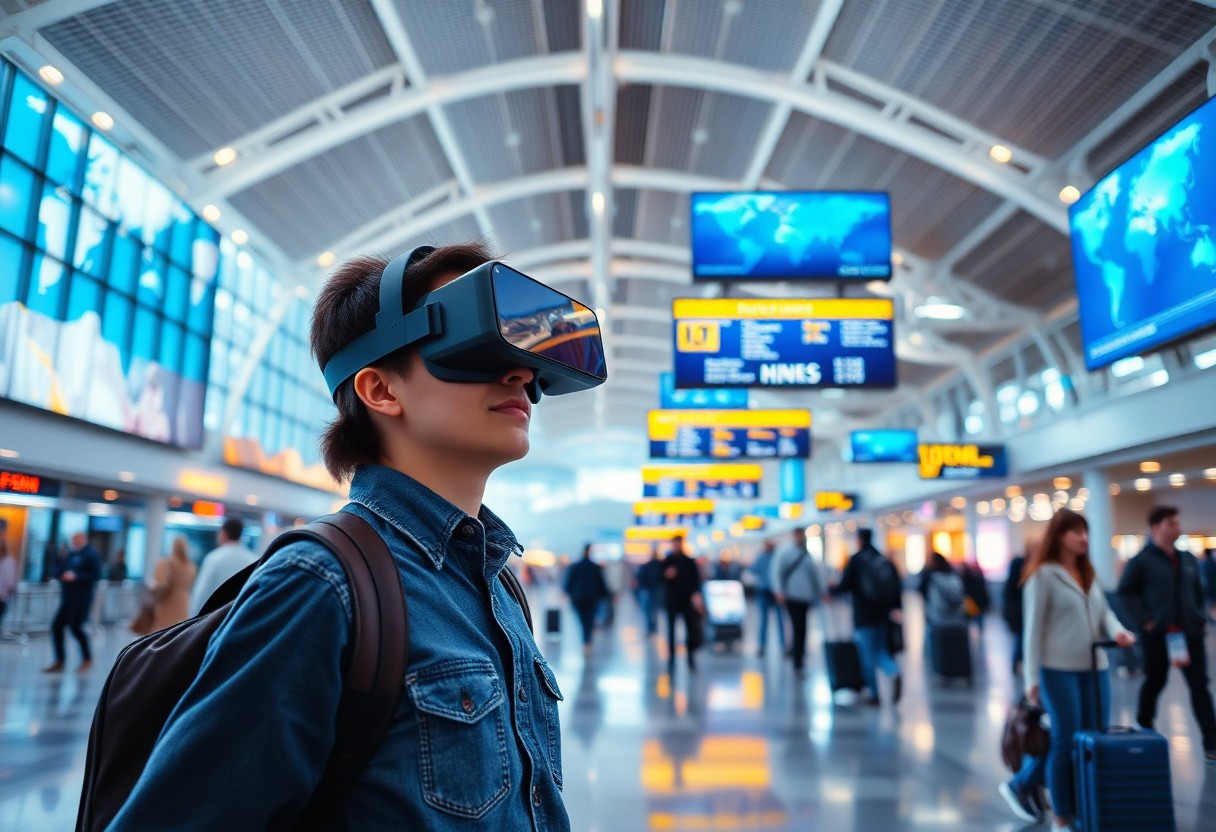
Are We Witnessing The Era Of Technoculture In Global Travel Trends?

Many travelers today are embracing innovations that redefine how you explore the world. From virtual reality experiences that preview destinations to AI-driven recommendations for personalized itineraries, technology is playing an increasingly instrumental role in shaping your travel decisions. This blog post examines into the intersection of travel and technology, exploring how advancements are influencing your experiences, preferences, and overall connection to the places you visit.

Defining Technoculture

While the term ‘technoculture’ encompasses the interplay between technology and culture, it reflects how advancements shape societal norms and behaviors. In the context of global travel, technoculture is evident as digital innovations are transforming how you plan, experience, and share your journeys. From AI-powered travel recommendations to social media influencing destination choices, understanding technoculture can enhance your travel experiences in profound ways.

Characteristics of Technoculture

By exploring the key characteristics of technoculture, you can recognize its impact on your travel habits. These traits include the integration of technology into daily life, increased connectivity, and the shift towards instant access to information. This actionable understanding allows you to adapt and thrive in the evolving landscape of global travel.

Historical Context

About the historical evolution of technoculture, it is imperative to acknowledge how technological advancements influence society over time. Beginning with the industrial revolution, each wave of innovation reshaped cultural practices, leading us to today’s digital age where technology plays a vital role in travel.

And as you investigate deeper into the historical context, consider how the advent of the internet revolutionized travel planning, enabling you to access a wealth of information at your fingertips. The rise of online booking platforms and social media has further transformed how you choose destinations and share experiences. Understanding this backdrop will give you valuable insights into the current trends shaping your travel journey.

The Impact of Technology on Travel

Clearly, technology is reshaping the travel landscape in various ways, making it more accessible and efficient for you as a traveler. The integration of advanced tools and platforms enables real-time information sharing, from booking flights to assessing local conditions. As you navigate your journey, the digital enhancements ensure that you have an array of options at your fingertips, ultimately augmenting your travel experience and making it seamless.

Innovations in Transportation

Along with the rise of ride-sharing apps, electric vehicles, and high-speed trains, transportation has taken a leap into the future. These innovations not only make travel quicker but also more eco-friendly, aligning with your desire for more responsible travel choices. Whether it’s using apps to find the best routes or booking tickets with just a few taps, these advancements empower you to travel smarter and more efficiently.

Digital Transformation of Travel Services

Digital technology is revolutionizing how you engage with travel services, streamlining bookings and enhancing personalization. From chatbots offering 24/7 support to mobile apps that manage itineraries, the ease of access to information puts you in control of your journey. This transformation has opened new avenues for interaction, allowing you to tailor your travel experiences to suit your preferences, ensuring that each trip is not only memorable but also uniquely yours.

Innovations in the digital landscape are continuously evolving how you plan and enjoy your journeys. For example, AI-powered recommendation engines provide personalized travel suggestions based on your past behavior and preferences, allowing you to discover hidden gems that suit your taste. Additionally, the rise of virtual reality (VR) experiences enables you to preview destinations before booking, ensuring that you choose the right place for your next escape. By embracing these digital solutions, you have the opportunity to enhance your travel experiences, making them not only easier but also more aligned with your individual interests.

Changing Traveler Behaviors

One significant shift in global travel trends reflects how traveler behaviors are evolving in response to technological advancements and societal changes. With access to vast amounts of information at your fingertips, you now prioritize personalized experiences, seek out authentic cultures, and embrace seamless connectivity throughout your journeys. This shift indicates an adaptation to faster-paced lifestyles, where efficiency and meaningful interactions dominate the travel landscape.

The Rise of Remote Work and Digital Nomadism

Any time you log in from a café in Bali or a beach hut in Mexico, you’re part of a growing trend where remote work and digital nomadism are redefining the way people travel. As technology enables you to work from virtually anywhere, your desire for flexibility and exploration has never been greater. This shift not only changes how you view work-life balance but also transforms local economies as you immerse yourself in new cultures while remaining professionally engaged.

Sustainability and Eco-Conscious Travel

On your next trip, considering sustainability may enhance your overall experience and allow you to contribute positively to the places you visit. As awareness of environmental issues grows, you actively seek options that support local communities and protect natural resources, choosing eco-friendly accommodations and sustainable transportation methods. This conscious approach helps foster a deeper connection to your travel experiences and promotes a healthier planet for future generations.

Understanding the significance of sustainability and eco-conscious travel has become integral to your decision-making process. When you opt for sustainable travel practices, you are making a commitment to minimize your environmental impact. This can include supporting local businesses, choosing environmentally-friendly hotels, and participating in conservation efforts. As more travelers prioritize eco-conscious choices, you not only enhance your own travel experience but also help promote a more responsible tourism industry that respects and preserves diverse ecosystems and cultures.

Social Media Influence on Travel Trends

Not only has social media transformed the way we share experiences, but it has also significantly shaped your travel planning process. Platforms like Instagram, TikTok, and Facebook act as vibrant catalogs of destinations, influencing your choice of where to go and what to experience. You may find yourself drawn to trendy spots highlighted by captivating content, leading to a shift from traditional travel advice to social media recommendations.

The Role of Influencers

Role of influencers in the travel industry cannot be understated. They curate enticing experiences and share them with large audiences, shaping your perceptions of various destinations. Their ability to craft visually appealing narratives can inspire you to visit places you may never have considered before, effectively driving tourism trends and creating a culture of wanderlust through their engaging content.

User-Generated Content and Travel Decisions

On social media, user-generated content plays a significant part in your destination selection process. Your reliance on authentic experiences shared by fellow travelers has grown, as these personal stories often resonate more than traditional marketing methods. User-generated posts help create a trustworthy online community where you can gather valuable insights about potential travel destinations.

Consequently, user-generated content has become a powerful tool in shaping your travel decisions. As you scroll through images and reviews from real travelers, you gain a realistic perspective on potential experiences, accommodations, and attractions. This wealth of information influences not just where you choose to visit, but also how you engage with your chosen destination, often leading to more authentic and memorable experiences as you connect with others’ insights and recommendations. In this way, your travel planning is transformed by the voices of people who have shared their journeys online.

The Globalization of Travel Experiences

Keep in mind that the globalization of travel experiences shapes the way you explore the world. As advancements in technology and communication break down geographical barriers, you can access a diverse array of travel opportunities that blend both local and international practices. This fusion of experiences enhances your journey, catering to your desire for authenticity while simultaneously broadening your horizons.

Cross-Cultural Interactions

With the world becoming increasingly interconnected, cross-cultural interactions during your travels offer you unique opportunities to engage with locals. These exchanges can enrich your understanding of different cultures, allowing you to gain insights into traditions, languages, and lifestyles that significantly differ from your own, making your travel experience more profound and memorable.

Global Trends vs. Local Cultures

Against the backdrop of global travel trends, local cultures face the challenge of preservation amidst modernization. As you commence on your journeys, you may encounter a clash between popularized global experiences and the unique customs and practices of the destinations you visit. This dynamic creates a fascinating dialogue between being a global traveler and appreciating the authenticity of local traditions.

Indeed, while you may find comfort in global trends such as instant sharing of experiences through social media and structured itineraries, it is imperative to appreciate the richness of local cultures that often get overshadowed. Engaging with local communities, sampling traditional cuisines, and participating in local festivals can enhance your travel journey. By balancing these global influences with genuine cultural interactions, you contribute to the sustainability of local traditions, ensuring that they flourish in harmony with global travel trends.

Future Predictions for Technoculture in Travel

Unlike previous eras, the future of technoculture in travel is poised to revolutionize how you experience the world. With the integration of advanced technologies, travel will become more personalized, efficient, and immersive. You can expect to encounter AI-driven services that cater to your preferences, while virtual and augmented reality will offer unique ways to explore destinations. As innovations continue to emerge, your travel experiences will be shaped by a blend of tradition and cutting-edge technology, creating new opportunities for adventure and connection.

Emerging Technologies

Along with advancements in artificial intelligence, blockchain, and the Internet of Things, your travel experiences will increasingly rely on emerging technologies. These innovations will streamline your journey, from booking to exploration, making it more seamless than ever. Smart luggage and biometric check-ins will enhance convenience while providing a sense of safety and efficiency. As these technologies continue to develop, you’ll notice their impact on various aspects of your travel, from enhanced communication to personalized recommendations tailored just for you.

Shifts in Consumer Expectations

About the trends in travel, there is a significant shift in consumer expectations fueled by technoculture, leading to a demand for more tailored and efficient services. You will likely prioritize accessibility, convenience, and sustainability when planning your trips. This shift means that providers are encouraged to adapt, offering you cutting-edge solutions to improve the overall experience. As your expectations evolve, travel businesses will need to recognize and respond with offerings that reflect your preferences, ensuring satisfaction at every stage of your journey.

It is necessary to understand that this shift in consumer expectations not only reflects technology’s role but also values such as transparency and sustainability. You expect your travel experiences to align with your ethical considerations and lifestyle choices. As a result, travel brands will need to focus on building trust and delivering genuine value, acknowledging your demand for authentic connections and responsible practices. This evolving landscape will empower you as a traveler, encouraging the industry to innovate in ways that resonate with your values and enhance your journey.

Final Words

Upon reflecting, you can see that we are indeed witnessing the emergence of technoculture in global travel trends. As technology continues to evolve, your travel experiences are becoming more seamless, personalized, and enriching. From mobile apps that offer real-time updates to advancements in virtual and augmented reality that enhance your journeys, it’s clear that technology is reshaping the way you explore the world. Embracing these innovations not only enhances your travel experiences but also connects you with a global community in unprecedented ways.

How Can Businesses Leverage Technological Advances To Enrich Cultural Experiences?

It’s crucial for you to explore how businesses can utilize technological advances to enhance cultural experiences for their customers. By integrating innovative technologies such as virtual reality, augmented reality, and digital storytelling, you can create immersive experiences that resonate deeply with your audience. These tools not only provide engaging ways to showcase cultural heritage but also foster a stronger connection between your brand and the community. In this post, we’ll examine into effective strategies that will help you harness technology to enrich cultural experiences in your business.

Understanding Technological Advances

Before exploring how businesses can enhance cultural experiences, it’s important to grasp the landscape of technological advances. Innovation in fields such as virtual and augmented reality, artificial intelligence, and mobile applications has transformed how we interact with culture. You will find that these technologies not only change your perceptions but also offer new avenues to experience cultural richness and diversity in more immersive and engaging ways.

Overview of Current Technologies

With advancements in technology, you now have access to tools like immersive virtual reality environments, interactive apps, and AI-driven content curation. These innovations allow you to connect with cultural narratives and experiences in ways that were previously unimaginable. As a business, adopting these technologies can help you reach audiences more effectively and create a lasting impact on cultural appreciation.

Impact of Technology on Cultural Engagement

Above all, these technological innovations profoundly influence how you engage with culture. They enable deeper connections, making cultural experiences more interactive and personalized. You can explore, share, and learn from diverse cultural expressions, ensuring that engagement goes beyond passive consumption.

Considering the ways technology shapes cultural engagement, you’ll notice an increase in interactive experiences that promote participation rather than mere observation. For example, virtual reality allows you to walk through historical sites or galleries from the comfort of your home, while social media platforms let you connect with creators and influencers from various backgrounds. These technologies democratize access to culture, allowing you to embrace diversity and participate in global conversations, thereby enriching your overall cultural experience. As a business, tapping into these tools not only benefits your audience but also positions you as an innovative leader in the cultural space.

Integrating Technology into Cultural Experiences

Some of the most engaging cultural experiences today come from the thoughtful integration of technology. By leveraging innovative tools, you can elevate how audiences interact with cultural content. This not only makes experiences more immersive but also opens new avenues for education and appreciation of diverse cultures. Technology can enhance storytelling, provide deeper insights, and create a more dynamic learning environment that resonates with participants on various levels.

Virtual and Augmented Reality Applications

Applications of virtual and augmented reality (VR and AR) allow you to transform your audience’s perception of cultural heritage. These technologies enable immersive experiences where you can explore historical sites or artifacts in a way that feels almost real. By bringing distant cultures or past events to life, you enrich learning and encourage deeper connections with the subject matter.

Social Media and Interactive Platforms

About social media and interactive platforms, these tools empower you to engage with your audience in real-time. They provide venues for sharing experiences, insights, and feedback, creating a vibrant community around cultural initiatives. Through various platforms, you can spark conversations about cultural topics that matter, fostering a sense of belonging and collaboration among participants.

Media platforms such as Instagram, Facebook, and Twitter allow you to showcase cultural products and share stories that resonate with your audience. By using interactive features like polls, live streams, and posts, you can create a dialogue that encourages participation and engagement. These tools enable you to connect with diverse demographics, offering a richer understanding of your cultural experiences while promoting inclusivity and collaboration in the exploration of culture.

Case Studies of Successful Implementation

The following case studies highlight how various organizations have effectively leveraged technological advancements:

  • 1. The Smithsonian Institution’s app, which increased visitor engagement by 25% through interactive virtual tours.
  • 2. The British Museum’s use of augmented reality, leading to a 30% increase in footfall during exhibitions.
  • 3. Coachella’s use of live streaming increased its virtual audience by 40%, expanding global reach significantly.
  • 4. The Louvre’s online gallery platform, boosting online visitor numbers by 50% during the pandemic.

Museums and Cultural Institutions

Around the globe, museums and cultural institutions are harnessing technology to create immersive experiences. For example, the Van Gogh Museum in Amsterdam implemented virtual reality that allows you to step into Van Gogh’s paintings, resulting in a 15% increase in visitor satisfaction ratings and providing a revolutionary way to appreciate art.

Festivals and Live Events

Against this backdrop, festivals and live events are adopting innovative tech solutions to enhance attendee experiences. Organizers are utilizing social media platforms, mobile apps, and unique VR activations to engage audiences before, during, and after events.

Institutions are increasingly using data analytics to understand audience preferences, which helps in tailoring experiences that resonate. By implementing mobile applications for real-time updates and interactive maps, you can streamline participant engagement and make networking easier. Additionally, augmented reality installations at events, like the one seen at Glastonbury, create memorable experiences that resonate long after the event has ended, significantly improving customer satisfaction and return rates.

Challenges Faced by Businesses

For businesses aiming to enhance cultural experiences through technology, several challenges emerge. The rapid pace of technological change can create a knowledge gap among staff, making it important to invest in training. Additionally, the integration of new tools must align with existing cultural offerings, demanding strategic planning and evaluation to avoid diluting the essence of what makes your offerings unique.

Resource Allocation and Funding

Between managing existing operations and pursuing new technological initiatives, you may find it difficult to allocate sufficient resources and funding. Prioritizing investments in technology can stretch budgets thin, and you might need to seek alternative funding sources, such as grants or partnerships, to facilitate these advancements.

Balancing Tradition with Innovation

Balancing tradition with innovation can pose a significant challenge for businesses exploring technological enhancements in cultural experiences. Overemphasizing technology risks overshadowing the very traditions you wish to celebrate, while too much focus on traditional methods can hinder growth and engagement. You must find a harmonious blend that respects the roots of your cultural offerings while embracing innovation that enhances accessibility, engagement, and visitor experience.

A thoughtful approach involves firstly assessing your cultural identity and values, and then identifying the technological tools that can enhance, rather than replace, those elements. By engaging with stakeholders, including local communities and cultural experts, you can ensure that innovations are thoughtfully integrated. This combined strategy can lead to enriched experiences that honor tradition while appealing to modern audiences, thus fostering a more inclusive and vibrant cultural landscape.

Strategies for Effective Integration

To successfully integrate technological advances into cultural experiences, you should begin by assessing your organization’s goals and available resources. Develop a clear strategy that combines both traditional and modern methods, ensuring that the technology you select enhances the cultural narrative rather than overshadowing it. Training staff to utilize new tools effectively and encouraging innovation within your team can further support a seamless transition. As you implement these technologies, consider piloting new initiatives to gauge their impact before a full-scale launch.

Collaborations with Tech Companies

One effective approach to enhancing cultural experiences is forming partnerships with technology companies. By collaborating, you can access cutting-edge tools and expertise that can amplify your offerings. This can involve co-developing projects, leveraging tech platforms, or utilizing software that enhances visitor engagement. Such alliances can also facilitate knowledge exchange, enabling your team to stay abreast of emerging trends while aligning your cultural mission with innovative practices.

Audience Engagement and Feedback Mechanisms

Any successful integration of technology requires a keen focus on audience engagement and active feedback mechanisms. You can leverage digital tools to create interactive experiences that resonate with your audience, fostering a deeper connection to your cultural offerings. By implementing systems for gathering feedback, you enable continuous improvement, ensuring your audience feels valued and engaged.

This two-way communication is necessary for understanding your audience’s preferences and experiences. You can utilize surveys, social media polls, and mobile apps to capture insights instantly. By analyzing this feedback, you can adapt your cultural programming and technological initiatives in real-time, making informed decisions that reflect your audience’s desires. This approach not only enhances their experience but also builds loyalty and community around your brand.

Future Trends in Cultural Technology Integration

After examining current innovations, it becomes evident that technology will continue to enhance cultural experiences. Businesses must anticipate shifts, such as immersive augmented reality (AR) experiences and advanced analytics, which tailor offerings to individual preferences. As you explore these trends, consider how integrating such technologies into your practices can create more engaging and personalized interactions, enriching the overall cultural landscape.

Predictions for Advancements

An increasing focus on artificial intelligence (AI) and machine learning will play a significant role in personalizing cultural experiences. These advancements allow businesses to analyze user behavior and preferences more effectively, leading to tailored offerings that resonate more deeply with your audience. It’s necessary to remain aware of these changes and how they might influence your strategies moving forward.

Evolving Audience Expectations

Future generations will demand more engaging, participatory experiences that utilize the latest technologies. Audiences are becoming more discerning, seeking not merely passive consumption but active involvement in cultural narratives. As a result, you must adapt your offerings to meet these rising expectations, providing immersive and interactive environments that resonate with your audience’s evolving desires.

At the heart of this transformation lies the clear expectation for businesses to facilitate unique interactions that blend digital and physical experiences seamlessly. This shift means that your cultural offerings need to reflect the values of inclusivity and personalization. By listening to audience feedback and tracking engagement metrics, you can develop experiences that not only meet but exceed their aspirations. As consumers continue to navigate a tech-driven landscape, investing in innovative experiences will position your brand as a leader, creating lasting connections with your audience, while crafting memorable cultural narratives that align with their interests.

To wrap up

Following this, you can enhance cultural experiences in your business by embracing technological advances, such as virtual reality, augmented reality, and AI-driven personalization. These tools enable you to create immersive environments that engage customers on a deeper level, fostering a greater appreciation for diverse cultures. Additionally, leveraging social media platforms can help you to reach wider audiences, share cultural narratives, and promote interactive experiences. By strategically integrating technology, you can enrich your offerings and create memorable experiences that resonate with your customers, ultimately driving loyalty and growth.

What Unique Lifestyle Opportunities Does Sustainable Travel Present In Today’s Technological World?

You have the chance to embrace sustainable travel, which not only benefits the environment but also enhances your lifestyle in today’s technology-driven world. With accessible resources and innovative tools at your fingertips, you can explore eco-friendly options that align with your values while enjoying unique experiences. Sustainable travel allows you to connect with local cultures, support green businesses, and live more consciously, all of which contribute to a more fulfilling way of exploring the globe. Let’s probe into the unique lifestyle opportunities that await you through sustainable travel.

The Concept of Sustainable Travel

For today’s travelers, sustainable travel has emerged as a compelling approach that challenges the traditional notion of tourism. It emphasizes responsible travel practices that protect the environment, respect local cultures, and support economic development in destinations. As you explore new places, you can make choices that contribute positively to the world around you, ensuring that travel experiences are not only enjoyable but also sustainable for future generations.

Defining Sustainable Travel

By defining sustainable travel, we highlight a travel philosophy that prioritizes ecological integrity, social equity, and economic viability. This approach encourages you to consider the environmental impact of your travels and the wellbeing of local communities. Sustainable travel means making conscious choices to minimize your carbon footprint, engage in conservation efforts, and support businesses that respect local customs and ecosystems.

Benefits of Sustainable Travel

An increased awareness of sustainable travel offers various benefits, not just for destinations but also for you as a traveler. You can enjoy unique experiences that connect you with the local culture while fostering environmental consciousness. This type of travel encourages more authentic interactions and often leads to discovering hidden gems that are away from the tourist crowds.

Hence, the benefits of sustainable travel extend beyond the immediate experiences you have. By choosing sustainable options, you contribute to preserving natural habitats, protecting wildlife, and supporting local economies. Additionally, sustainable travel enhances your overall well-being by providing enriching experiences that allow you to connect deeply with the places you visit. This approach not only satisfies your wanderlust but also aligns your travel habits with your values, contributing to a healthier planet and stronger communities.

Technological Innovations in Travel

While the landscape of travel continues to evolve, technological innovations have opened up new avenues for sustainable practices. From advanced booking systems to personalized travel experiences, these innovations not only enhance convenience but also promote eco-friendliness. You can now explore options such as carbon offsets and responsibly sourced accommodations, helping you make informed decisions that align with your values as a conscious traveler.

Eco-friendly Transportation Options

Technological advancements have led to a surge in eco-friendly transportation options, making it easier for you to minimize your carbon footprint while traveling. Electric vehicles, hybrid trains, and even e-bikes are gaining popularity as sustainable choices. With improved battery life and charging infrastructure, your travel experience can be both enjoyable and environmentally responsible.

Smart Travel Applications and Tools

Beside transportation solutions, smart travel applications and tools are revolutionizing how you plan and commence on your journeys. These digital resources help you find sustainable activities, track your carbon emissions, and connect with like-minded travelers.

And, as you explore various smart travel applications, you’ll find features designed to enhance your eco-conscious adventures. From itinerary planners that highlight green accommodations to guides that suggest local eco-friendly attractions, these tools ensure you can travel sustainably while maximizing your experience. These applications also often track and analyze your travel habits, empowering you to make better choices in the future. Embracing these technologies can bring you closer to a more responsible travel lifestyle.

Unique Travel Experiences Offered by Sustainability

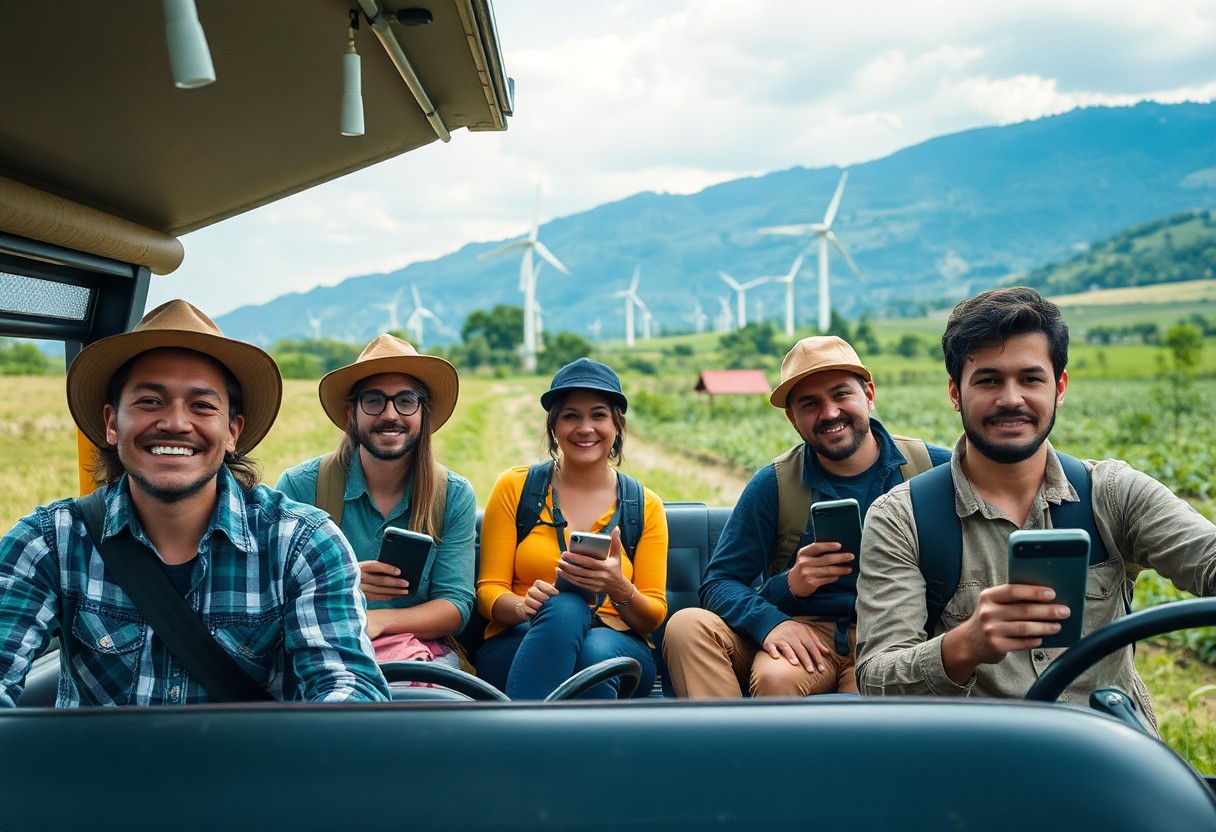
You have the opportunity to immerse yourself in unique travel experiences that celebrate the natural world and enhance your connection to local communities. Sustainable travel allows you to engage with authentic cultures while making a positive impact, ensuring that your adventures are not just enjoyable, but also contribute to the well-being of the places you visit.

Local Culture and Community Engagement

One of the most enriching aspects of sustainable travel is the deep engagement with local cultures. This immersive approach allows you to participate in traditional practices, support local artisans, and appreciate the rich history of the communities you visit, creating meaningful interactions that foster understanding and respect.

Nature-Based Activities and Conservation Efforts

Across the globe, sustainable travel opens doors to nature-based activities that not only invigorate your spirit but also promote conservation efforts. Whether it’s participating in wildlife tracking, volunteering for tree planting, or engaging in eco-tours, you can experience nature while contributing to its preservation.

Even more rewarding are the opportunities that arise from conservation projects, allowing you to learn about local wildlife and habitats firsthand. By joining guided eco-adventures or participating in community-led conservation initiatives, you can play an active role in preserving the environment, leaving your footprint light while ensuring that future generations can enjoy the same pristine landscapes and biodiverse ecosystems.

Challenges of Sustainable Travel in a Technological World

Your journey towards sustainable travel is not without its difficulties. In a world dominated by technology, balancing the demand for modern conveniences with environmentally friendly choices can feel overwhelming. The rapid pace of innovation can often lead to a reliance on practices that may not be in line with sustainable values, making it vital to navigate these complexities thoughtfully.

Balancing Convenience and Environmental Impact

Beside the allure of convenience offered by modern technology, you may often find yourself facing the dilemma of whether that convenience aligns with sustainable travel initiatives. While apps and electronic services simplify planning, they can inadvertently contribute to overconsumption and waste. Thus, it’s vital to critically evaluate how these technologies impact your environmental footprint.

Overcoming Barriers to Sustainable Choices

Before begining on your sustainable travel journey, you should consider the multiple barriers that can hinder your ability to make environmentally friendly choices. From limited access to eco-friendly accommodations to the challenge of finding reliable public transportation, these obstacles can make sustainable travel seem more complicated than it actually is.

Considering the barriers that exist can empower you to make informed decisions when planning your travel. Whether it’s seeking out reliable resources on eco-friendly accommodations or utilizing local public transportation options, taking proactive steps helps you navigate these challenges. You can also engage with local communities that prioritize sustainability, ensuring that your choices contribute positively to both the environment and the destinations you explore.

Case Studies: Successful Sustainable Travel Initiatives

All over the world, a variety of sustainable travel initiatives have emerged as effective models for a greener future. Here are some notable examples:

  • Green Globe Certification: Over 200 tourism businesses certified in 45 countries, improving resource management by up to 30%.
  • Eco-Friendly Lodging: The number of eco-lodges worldwide has increased by 50% in the last decade, promoting local culture and conservation.
  • Carbon Offset Programs: More than 250,000 travelers have participated in offsetting over 1 million tons of CO2 emissions.
  • Community-Based Tourism (CBT): Engaging over 1 million locals in sustainable tourism practices, leading to a 25% increase in local revenue.

Global Examples

Global initiatives illustrate the power of sustainable travel. For instance, Costa Rica has transformed its tourism industry by investing in eco-friendly practices, resulting in 99% of its energy sourced from renewables. Similarly, Sweden has implemented a climate policy that aims for carbon neutrality by 2045, incorporating sustainability into every level of travel, including transportation and accommodations.

Lessons Learned from Local Projects

Across various local projects, the impact of community involvement and education has been significant. Projects in places like Bali focus on engaging local populations, fostering pride in cultural heritage, and offering travelers authentic experiences while preserving the local environment.

To maximize the benefits of sustainable travel, you can take inspiration from these local initiatives. Many projects emphasize the importance of involving the community in decision-making processes, which not only enhances the visitor experience but also instills a sense of ownership and responsibility among locals. Understanding your destination’s culture and ecology enriches your journey while ensuring that tourism contributes positively to the local community and environment. By adopting these lessons, you can help create lasting positive impacts in the places you visit.

The Future of Sustainable Travel

Not only does sustainable travel focus on minimizing your carbon footprint, but it also encourages deeper connections with local communities and ecosystems. As travelers increasingly prioritize ethical experiences, you can expect a rise in eco-friendly accommodations, regenerative tourism practices, and immersive cultural exchanges. This future reveals a transformative shift in how you will experience travel.

Trends Shaping Sustainable Travel

For you, embracing local cultures and authentic experiences will become key trends in sustainable travel. As sustainability gains popularity, more travel itineraries will revolve around supporting local economies, while eco-conscious travelers will seek out experiential opportunities that foster a sense of belonging and responsibility to the environment.

Role of Technology in Tomorrow’s Travel Landscape

Before initiateing on your journey, technology will play a vital role in enhancing and facilitating sustainable travel. Smart apps and platforms will help you navigate eco-friendly options for transportation, accommodations, and activities, ensuring that you make conscious choices that align with your values and the environment.

Another exciting aspect of technology’s role in sustainable travel is the rise of artificial intelligence and big data analytics. These innovations will help you discover personalized travel experiences tailored to your preferences while optimizing routes to reduce carbon emissions. Additionally, virtual reality and augmented reality can offer immersive pre-travel experiences, allowing you to engage with destinations and their cultures without the carbon footprint of travel. As these technologies evolve, you’ll find yourself equipped with the tools needed to make more responsible choices and elevate your travel adventures.

Summing up

From above, you can see that sustainable travel offers you a chance to engage with the world in a more meaningful way, blending your desire for adventure with responsible choices. In today’s technological landscape, you have the tools to connect with local cultures, minimize your ecological footprint, and enhance your travel experiences through innovative apps and platforms. By prioritizing sustainability in your travels, you open the door to unique lifestyle opportunities that not only enrich your journey but also contribute positively to the destinations you visit.

How Is The Confluence Of Culinary Culture And Technology Transforming The Hospitality Industry?

There’s a remarkable shift happening in the hospitality industry as culinary culture intertwines with advancing technology. You may find that innovative solutions are enhancing guest experiences while redefining traditional dining practices. From AI-driven personalized menus to the rise of plant-based cuisines, these changes are not only elevating food quality but also redefining service standards. In this post, you will explore how these trends are shaping your dining experiences and what they mean for the future of hospitality as a whole.

The Evolution of Culinary Culture

To understand the intricate landscape of culinary culture, you must explore how it has evolved over time. From ancient traditions to modern culinary arts, the interplay of local ingredients, techniques, and cultural practices has shaped what you enjoy today. As technology and globalization expand access to diverse cuisines, culinary culture continues to transform in exciting and innovative ways.

Historical Influences on Cuisine

At the core of every dish lies a rich tapestry woven from historical influences, where indigenous ingredients, trade routes, and colonization have all played significant roles. Your palate has been shaped over centuries by these historical events, allowing flavors and cooking methods to travel and evolve. Understanding these influences allows you to appreciate the depth of your culinary experiences.

Globalization and Fusion Foods

On the topic of globalization, it has paved the way for the emergence of fusion foods, which blend ingredients and techniques from various cultures. This fusion not only reflects a global interconnection but also encourages creativity in the culinary world. Today’s chefs are embracing this trend, crafting unique dishes that celebrate the best of multiple heritages.

Hence, the fusion of different culinary traditions has led to an explosion of creativity in the kitchen, allowing you to experience exciting combinations that reflect a global palate. From sushi burritos to Korean tacos, these innovative dishes are a testament to how culinary boundaries have blurred. As you explore world cuisines, you’ll find that each bite tells a story, highlighting how globalization has influenced not only what you eat but also how you think about food itself.

Technology’s Role in the Culinary Landscape

Even as the worlds of culinary culture and technological advancement continue to intertwine, understanding how technology shapes the culinary landscape can empower you. Enhanced kitchen equipment and digital tools significantly influence how chefs and home cooks approach food preparation and service, making your cooking experience more efficient and creative. By leveraging innovative technologies, you can not only streamline your workflow but also elevate your dishes, enticing guests with modern culinary masterpieces.

Advances in Kitchen Equipment

With the rise of smart kitchen appliances and advanced cooking tools, you can explore a new realm of cooking possibilities. Equipment like precision cookers, induction cooktops, and high-tech ovens enable you to experiment with techniques that were once time-consuming or challenging. These advancements allow you to achieve consistent results while also saving time and effort, enhancing your culinary prowess.

Digital Innovations in Cooking Techniques

Below the surface of traditional cooking lies a wealth of digital innovations that reshape how you approach culinary techniques. Virtual cooking classes and interactive recipe apps enhance your skillset, enabling you to explore international cuisines and innovative practices from the comfort of your kitchen. You can learn sous-vide methods or molecular gastronomy techniques that would have seemed inaccessible without technology.

Landscape changes in cooking techniques driven by digital innovations lead to diverse and exciting culinary experiences. You can now gain access to professional-level guidance through online platforms, making it easy to refine your skills and expand your culinary repertoire. Stepping into this digital age opens up an array of possibilities, letting you experiment with sophisticated methods and learn from renowned chefs worldwide. By embracing these advancements, you can elevate your culinary artistry, impressing your guests and offering unforgettable dining experiences.

Impact on Hospitality Operations

One of the most significant impacts of culinary culture and technology on hospitality operations is the improved efficiency in day-to-day activities. Advanced management systems streamline everything from inventory tracking to order processing, allowing you to focus on delivering a memorable experience for your guests. Automation of routine tasks minimizes human error and speeds up service, ensuring your establishment runs smoothly and effectively.

Streamlining Service through Technology

Beside enhancing efficiency, technology facilitates seamless communication between different departments in your establishment. This includes mobile order apps and centralized software solutions that enable your staff to manage reservations, food orders, and guest preferences effortlessly. Such integration means that your team can respond quickly to guest needs, ultimately fostering a more organized workflow.

Enhanced Guest Experience

At the same time, technology plays a transformative role in elevating the overall guest experience. Personalized interactions, powered by data analysis, allow you to cater tailored services to your visitors. Smart systems can anticipate preferences, making recommendations that resonate with your guests’ tastes, and elevate your brand’s reputation.

Experience the changes in guest satisfaction when you adopt technology to personalize services. By leveraging data analytics, you can understand your guests’ preferences better, enabling you to offer tailored menus, custom dining experiences, or even personalized greetings upon arrival. This level of attention not only boosts customer satisfaction but also encourages repeat business, transforming casual guests into loyal patrons who share their experiences with others. The intersection of culinary culture and technology is not just innovating service; it is redefining what visitors expect when they dine or stay with you.

The Rise of Food Delivery Platforms

For many, the convenience of food delivery platforms has redefined dining experiences. With just a few taps on your smartphone, you can access diverse culinary options from your favorite local restaurants. As these platforms expand, they lessen the barrier between you and global flavors, allowing for exploration and indulgence without ever leaving your home.

Changing Consumer Behavior

At the forefront of this transformation is your evolving behavior as a consumer. Increased demand for convenience has led to a preference for dining experiences that fit seamlessly into your lifestyle. You are increasingly prioritizing quick and easy access to food, which has driven restaurants to adapt their offerings to cater to your desires.

Integration with Social Media

One significant advantage of food delivery platforms is their integration with social media. You can now discover new restaurants and dishes through your social feeds, enhancing your dining choices with visual appeal and trending popularity.

Integration with social media allows you to share your food experiences and discover culinary gems through your network. As you scroll through your favorite platforms, enticing images and user-generated content inspire you to try new restaurants and cuisines. This relentless connectivity not only influences your choices but also offers restaurants a unique avenue for marketing and engagement, leading to deeper connections between you and your culinary preferences.

Sustainability and Ethical Culinary Practices

Despite the complexities of modern dining, sustainability and ethical culinary practices are becoming integral to your hospitality operations. Consumers today are more aware of the environmental impact of their choices, prompting you to embrace locally sourced ingredients and eco-friendly practices. By aligning your culinary offerings with sustainable principles, you not only attract conscientious patrons but also contribute positively to the planet and the communities you serve.

Technology in Sustainable Sourcing

Among the advancements in technology, digital platforms and data analytics have transformed how you source ingredients sustainably. By leveraging apps and databases, you can identify and connect with local farmers and suppliers, ensuring that your purchases support sustainable practices. These technologies provide transparency, allowing you to track the origins of the products you use, which resonates with your environmentally conscious customers.

Reducing Food Waste through Innovation

Between smart inventory management systems and apps designed for food redistribution, technology is helping you tackle food waste effectively. By monitoring stock levels and predicting demand, you can optimize your purchases, minimizing surplus. Additionally, collaborating with local charities and organizations can ensure that surplus food reaches those in need rather than ending up in landfills.

Consequently, addressing food waste through innovative technologies not only promotes sustainability but also enhances your establishment’s reputation as a responsible player in the hospitality industry. By implementing smart systems to manage inventory and engage with community organizations for surplus redistribution, you can significantly reduce wastage and foster goodwill. This approach not only contributes to your bottom line through cost savings but also aligns your brand with values that resonate with today’s socially aware consumers.

Future Trends in Culinary Technology

Unlike traditional culinary methods that rely heavily on established techniques, the future of culinary technology promises to revolutionize how you experience food. Innovative advancements, including automation and enhanced data analytics, will shape dining experiences, making them more interactive and personalized. As these technologies evolve, you will find opportunities to engage with food and service in ways that were previously unimaginable, allowing for greater creativity and efficiency within the hospitality industry.

Artificial Intelligence and Machine Learning

Around the world, culinary establishments are increasingly incorporating artificial intelligence and machine learning into their operations. These technologies allow you to leverage data-driven insights for enhanced decision-making. From predictive analytics that improve inventory management to personalized menu recommendations for guests, AI creates more efficient and efficient workflows, ultimately enhancing overall guest experiences in your dining spaces.

Virtual Reality Dining Experiences

Learning how to combine technology with culinary creativity opens up a world of potential, especially with virtual reality dining experiences. This innovative approach allows you to immerse your guests in a unique atmosphere, blending flavors and sights like never before. You can transport diners to exotic locations, offering a multisensory meal that engages all their senses, making every dining occasion memorable.

But virtual reality dining experiences extend beyond mere entertainment; they also serve as a tool for culinary education and exploration. You can create themed dinners where guests learn about the culture and history behind each dish while enjoying an immersive environment. By using VR, you are not only enhancing engagement but also offering an opportunity to break down geographical barriers, allowing you to introduce diverse cuisines and dining traditions to a wider audience. This combination of education and enjoyment represents a significant shift towards interactive dining, valuing both experience and connectivity in the hospitality landscape.

To wrap up

Upon reflecting on the confluence of culinary culture and technology in the hospitality industry, you can see how innovation is reshaping the dining experience. The integration of advanced cooking techniques, digital ordering systems, and social media-driven marketing allows you to engage customers in new ways. This transformation not only enhances your operational efficiency but also elevates guest satisfaction. As you embrace these changes, you position your establishment to meet evolving consumer preferences and expectations, ultimately driving your success in a competitive market.

What Role Does Eudaimonia Play In Shaping Tech-Driven Business Strategies And Lifestyle Choices?

Business leaders increasingly recognize that eudaimonia, or the pursuit of flourishing and well-being, is not just a philosophical concept but a guiding principle in shaping your tech-driven strategies and lifestyle choices. By integrating eudaimonia into your decision-making process, you ensure that both personal fulfillment and ethical considerations align with your professional endeavors. This blog post explores how embracing eudaimonia can transform your approach to technology and innovation, enhancing both corporate culture and individual well-being in the modern business landscape.

Defining Eudaimonia: An Overview

Before stepping into how eudaimonia influences tech-driven business strategies and lifestyle choices, it’s necessary to clarify its meaning. Eudaimonia, often translated as ‘human flourishing’ or ‘well-being’, encompasses living in alignment with your values, purpose, and potential. It transcends mere happiness, focusing instead on fulfillment and personal growth in both professional and personal realms.

Historical Perspectives

At its roots in ancient Greek philosophy, eudaimonia was championed by thinkers like Aristotle, who argued that the highest good for humans is to achieve excellence and live virtuously. This foundational idea shaped discussions around ethics, morality, and the pursuit of a meaningful life, influencing not only philosophy but also various aspects of culture and society as a whole.

Modern Interpretations

Interpretations of eudaimonia have evolved, incorporating contemporary notions of well-being that fit today’s fast-paced lifestyle. Modern thinkers merge this ancient concept with psychological well-being, suggesting that achieving eudaimonia involves balancing personal fulfillment with social contribution. This holistic approach encourages you to find meaning not only in professional success but also in nurturing relationships and community engagement.

Indeed, as you navigate the complexities of modern life, you may find that embracing a multifaceted understanding of eudaimonia can guide your decisions and actions. This perspective urges you to seek out opportunities for growth, connection, and impact, enhancing your overall well-being. By recognizing that eudaimonia includes both personal satisfaction and a commitment to the greater good, you can develop strategies that resonate deeply with your values and aspirations.

Eudaimonia and Business Strategy

There’s a distinctive shift in contemporary business strategy that centers around eudaimonia, the pursuit of human flourishing. Organizations are recognizing that fostering well-being among employees, customers, and communities can lead to sustainable growth. By prioritizing purpose along with profit, you can create a more engaged workforce and stronger brand loyalty, ultimately driving success in a tech-driven marketplace.

Aligning Business Goals with Well-Being

Business strategies increasingly aim to harmonize objectives with the well-being of stakeholders. When you align your company’s goals with the values and needs of your team and customers, you cultivate a positive culture that enhances productivity and satisfaction. This integration can lead to innovative solutions that benefit not just your organization but also society at large.

Long-Term Success and Eudaimonic Principles

Any sustainable business model should incorporate eudaimonic principles that emphasize long-term success over short-term gains. By embedding these values into your strategy, you foster a resilient organization that adapts to changes and remains relevant. Companies that commit to the well-being of their employees and consumers tend to build deeper connections, resulting in lasting partnerships and a positive reputation.

Plus, focusing on eudaimonia encourages you to think beyond financial metrics. It inspires a culture of creativity and collaboration, where individuals can thrive both professionally and personally. By adopting these principles, you empower your organization to withstand market fluctuations, innovate continuously, and maintain a loyal customer base, ensuring enduring success that aligns with your core values.

Technology’s Influence on Eudaimonia

While technology significantly shapes your sense of eudaimonia, its impact can vary widely. The tools and platforms you engage with can either foster a meaningful and fulfilling life or contribute to disconnection and dissatisfaction. Understanding how to navigate this landscape is necessary, as technology can enhance your experiences and relationships when used mindfully.

Enhancing Well-Being through Innovation

About the innovations in technology, many aim to improve your well-being, offering new ways to connect, learn, and grow. From mental health apps to online communities, these advancements empower you to cultivate a fulfilling lifestyle and greater self-awareness, ultimately contributing to your journey towards eudaimonia.

The Dual-Edged Sword: Technology’s Dark Side

Dark realities of technology’s influence may lead to negative outcomes for your well-being. Excessive screen time, social media comparisons, and constant connectivity can create feelings of isolation and anxiety, detracting from a balanced life. It’s vital to be aware of these pitfalls as you strive for a meaningful existence.

Through your daily interactions with technology, you may inadvertently expose yourself to potential downsides that undermine your eudaimonic aspirations. Engaging in social networks can sometimes amplify feelings of inadequacy compared to curated online personas. Additionally, distractions from notifications and an incessant need for digital validation can fragment your attention and hinder your sense of purpose. By acknowledging these challenges, you can take proactive steps to ensure a healthier relationship with technology that serves your pursuit of a fulfilling life.

Lifestyle Choices Shaped by Eudaimonia

All individuals strive for a fulfilling life, and eudaimonia plays a pivotal role in shaping your lifestyle choices. By prioritizing well-being, purposeful living, and meaningful connections, you can cultivate a richer life that aligns with your values. This approach encourages you to make intentional decisions that resonate with your sense of self and foster personal growth, ultimately impacting your overall happiness and satisfaction.

Work-Life Balance in the Tech Age

To achieve a harmonious work-life balance in today’s tech-driven world, you must consciously set boundaries between your professional and personal life. Emphasizing eudaimonic principles can guide your decisions, encouraging you to prioritize tasks that contribute positively to your well-being. By fostering a balance that promotes fulfillment, you enhance your capacity to engage with both work and leisure activities meaningfully.

Sustainable Living and Eudaimonic Values

The significance of sustainable living converges with eudaimonic values, as you align your daily choices with a vision for a better future. By practicing sustainability, you not only contribute to the planet’s health but also enhance your sense of purpose and fulfillment.

At the heart of sustainable living informed by eudaimonic values lies your commitment to making decisions that resonate with your deeper beliefs. By choosing to support eco-friendly brands, reduce waste, and engage in community initiatives, you nurture your connection to the world around you. This conscious lifestyle promotes a sense of belonging and purpose, fostering well-being that extends beyond mere material possession. Aligning your life with sustainable practices not only benefits the environment but also enriches your personal journey towards fulfillment.

Case Studies: Companies Embracing Eudaimonia

Your exploration of eudaimonia in tech-driven business strategies reveals notable case studies showcasing its real-world impact:

  • Google: Implemented Employee Well-Being Programs, improving job satisfaction by 20%.
  • Salesforce: Created Ohana Culture, which led to a 25% increase in employee retention.
  • Airbnb: Fostered community engagement initiatives, resulting in a 30% growth in user happiness ratings.
  • Microsoft: Developed flexible working hours, raising productivity by 15%.
  • Patagonia: Advocated for environmental sustainability, achieving a 40% boost in brand loyalty.

Successful Implementations

To achieve the benefits of eudaimonia, companies must successfully implement practices that prioritize employee well-being and community engagements. For instance, Google’s investment in mental health resources has significantly reduced employee burnout, while Salesforce’s focus on community-driven values fosters a stronger sense of belonging among its workforce.

Lessons Learned

With these implementations come valuable insights. Understanding the connection between eudaimonia and effective business practices can reshape how you view employee engagement and corporate responsibility.

Eudaimonia teaches organizations that investing in employee fulfillment isn’t merely a bonus but a necessity for sustained growth. By prioritizing well-being, businesses can cultivate an environment where individuals flourish, leading to enhanced performance, loyalty, and innovation. The lessons gleaned from these companies underscore that a culture rooted in eudaimonia yields both personal satisfaction and organizational success.

Challenges in Integrating Eudaimonia into Business

After recognizing the importance of eudaimonia in tech-driven strategies, you may face several challenges when attempting to integrate this concept into your business model. The complexities of aligning eudaimonia with existing operational frameworks and corporate cultures can impede its effective application. You must navigate these challenges to truly foster a workplace environment that prioritizes well-being alongside productivity.

Resistance to Change

Across many organizations, you will encounter resistance to change as traditional business practices are often deeply ingrained. Employees and management may be hesitant to adopt new approaches that prioritize well-being and fulfillment, fearing disruption to established workflows. To overcome this, you need to clearly communicate the benefits of a eudaimonic approach, demonstrating how it enhances not only employee satisfaction but also overall business success.

Measuring Eudaimonic Impact

Integrating eudaimonia into your business strategy raises questions about how to effectively measure its impact. While traditional metrics focus on financial performance, you need to develop qualitative measures that capture employee well-being, engagement, and satisfaction. This requires a shift in mindset to value subjective experiences alongside quantitative data.

Consequently, you may consider implementing surveys, interviews, and focus groups to gain insights into the eudaimonic experiences of your employees. Tracking changes in workplace culture and employee morale over time can also provide valuable data. By establishing these metrics, you can identify areas for improvement and assess the correlation between eudaimonic practices and business outcomes, ultimately leading to more informed decision-making and sustainable growth.

Summing up

Hence, understanding the role of eudaimonia in shaping tech-driven business strategies and lifestyle choices empowers you to align your objectives with a deeper sense of purpose and fulfillment. By prioritizing well-being over mere profit or efficiency, you can cultivate a more sustainable and meaningful approach to both business and personal life. Integrating eudaimonic principles encourages you to create positive impact and enhance the quality of experiences for yourself and others, ultimately leading to a more holistic and rewarding journey in our increasingly digital landscape.

How Can Cultural Intelligence Enhance Your Business's Technological Implementation?

You can significantly improve your business’s technological implementation by leveraging cultural intelligence. Understanding and appreciating the diverse backgrounds of your team and clients can enhance communication, foster collaboration, and minimize misunderstandings during the rollout of new technologies. By integrating cultural insights into your strategies, you create an environment where everyone feels valued, leading to higher engagement and smoother transitions. In this post, we will explore how cultural intelligence can serve as a powerful tool to navigate the complexities of technology adoption in a multicultural business landscape.

Understanding Cultural Intelligence

As you navigate the complexities of global business, gaining an understanding of cultural intelligence can significantly enhance your approach. Cultural intelligence, or CQ, encompasses the ability to relate and work effectively across diverse cultural contexts, integrating an awareness of different values, beliefs, and practices into your business operations.

Definition and Components

To grasp cultural intelligence fully, it involves four key components: cognitive, emotional, physical, and motivational. The cognitive aspect pertains to knowledge about cultures and their nuances, while emotional intelligence helps you empathize with others’ perspectives. The physical component involves adapting behavior in culturally appropriate ways, and motivational intelligence drives your desire to engage in intercultural interactions effectively.

Importance in the Modern Business Landscape

Between the rapid advancements in technology and the increasing globalization of markets, having cultural intelligence is imperative for your business to thrive. It equips you with the skills to build relationships with diverse clients and teams, ultimately leading to enhanced cooperation and innovation.

Another benefit of cultural intelligence lies in its ability to facilitate better communication. You can avoid misunderstandings and misinterpretations that arise from cultural differences, promoting a more collaborative atmosphere in your workplace. As businesses become increasingly interconnected, your capability to navigate these cultural landscapes will not only enhance technological implementation but also contribute to overall success and growth in your organization.

The Role of Cultural Intelligence in Technological Implementation

There’s a growing recognition of the importance of cultural intelligence in ensuring successful technological implementation within your business. An understanding of diverse cultural perspectives allows you to navigate the complexities of team dynamics, user experiences, and market trends, optimizing your approach to technology adoption. By leveraging insights into various cultural practices and preferences, you can enhance collaboration, mitigate misunderstandings, and align your technological solutions with the expectations of different stakeholders.

Bridging Communication Gaps

Along with fostering innovation, cultural intelligence plays a significant role in bridging communication gaps within your organization. When you are aware of the cultural backgrounds of your team members, you can avoid misinterpretations and enhance clarity in discussions. This awareness enables you to tailor your communication strategies, ensuring that all voices are heard and understood, ultimately leading to more effective collaborations during technological implementation.

Tailoring Technology to Diverse Needs

Cultural intelligence equips you to tailor technology solutions to meet the diverse needs of your team and customers. Understanding cultural variations helps you identify specific requirements and expectations that may not be immediately obvious. By incorporating cultural insights into your technology strategies, you can develop solutions that resonate with different user experiences and preferences.

Tailoring technology to diverse needs means that you actively seek to understand the specific requirements of various user groups. This entails engaging with stakeholders from different backgrounds and assessing how technology can best serve their unique contexts. By keeping their cultural perspectives in mind, you can create more inclusive technology solutions that enhance user satisfaction and promote greater adoption rates across your organization.

Case Studies: Successful Cultural Intelligence in Tech Adoption

Now, exploring case studies highlights how companies successfully integrate cultural intelligence into their technological implementations:

  • Deloitte: Improved employee engagement by 38% post cultural training before tech rollout.
  • IBM: Increased global teamwork efficiency by 25% after embedding diversity practices in tech processes.
  • Microsoft: Enhanced user satisfaction by 30% in new software adoption through cultural receptivity assessments.
  • Airbnb: Achieved a 50% boost in market penetration by tailoring tech to local cultural nuances.

Global Companies Leading the Way

Companies like Google and Facebook have set benchmarks in tech adaptation through cultural intelligence. Google’s approach emphasizes cultural training for its teams, resulting in a 40% decrease in project delays. Facebook’s diverse hiring practices allow them to cater effectively to varying global markets, leading to a 35% increase in user engagement in non-Western regions.

Lessons Learned from Failures

With many tech initiatives falling short due to overlooked cultural factors, there’s much to learn from these challenges. Misjudged cultural responses can lead to project abandonment and wasted resources, highlighting the need for thorough cultural analysis before implementation.

Tech companies, such as Uber, faced backlash when local cultural sensitivities weren’t respected during their rollout in various international markets. This oversight resulted in a 20% drop in user adoption in some regions. By analyzing these failures, you can understand the importance of embedding cultural intelligence into every phase of your technological projects, ultimately ensuring smoother transitions and better outcomes.

Strategies to Foster Cultural Intelligence in Teams

After recognizing the importance of cultural intelligence, implementing effective strategies becomes the next step. You can enhance your team’s cultural understanding by participating in interactive exercises, open discussions, and real-world simulations that address diverse cultural perspectives. Emphasizing continuous learning and adapting approaches based on team feedback will further strengthen your team’s cultural competence and improve collaboration.

Training and Development Programs

By investing in tailored training and development programs, you can equip your team with the skills needed to navigate cultural differences effectively. Focus on workshops, online courses, and experiential learning opportunities that highlight communication styles and cultural norms. This investment fosters a more cohesive team dynamic and prepares you for successful technological implementations across diverse environments.

Promoting Diversity and Inclusion

Before focusing on technology implementation, it’s crucial to establish a diverse and inclusive working environment. You should prioritize hiring practices that reflect varied backgrounds, experiences, and perspectives.

It enhances creativity and promotes innovation, opening avenues for unique solutions that may otherwise be overlooked. When your team consists of individuals with diverse viewpoints, you can tap into a rich pool of ideas that can drive your technological initiatives forward. Cultivating an inclusive atmosphere allows everyone to contribute, fostering a sense of belonging and encouraging collaboration, ultimately resulting in more successful technology integration.

Measuring the Impact of Cultural Intelligence on Technology Adoption

Keep in mind that measuring the impact of cultural intelligence on technology adoption involves evaluating both quantitative and qualitative metrics. By aligning these measurements with your business’s strategic goals, you can gain insight into how cultural intelligence facilitates smoother transitions and enhances employee engagement with new technologies. Regularly assessing these impacts will help you refine your approach and foster a more inclusive environment for technology implementation.

Key Performance Indicators

Measuring the success of your cultural intelligence initiatives requires clear key performance indicators (KPIs) that reflect both employee engagement and technology adoption rates. These KPIs can include metrics such as employee satisfaction scores, technology usage frequency, and the speed of technology adoption within different cultural groups. By tracking these indicators, you can identify areas for improvement and ensure that your cultural intelligence strategies are effective in enhancing technological implementation.

Continuous Improvement Practices

Intelligence-driven businesses prioritize continuous improvement practices to adapt to the evolving technological landscape. Integrating cultural intelligence within this framework allows you to regularly reassess your processes and strategies, ensuring that technology adoption reflects the diverse needs of your workforce. Engaging in regular feedback loops with employees from various cultural backgrounds can yield valuable insights, helping you adjust training programs and technology deployment strategies accordingly.

Plus, fostering a culture of continuous improvement also empowers your employees to be active participants in the technology adoption process. When you incorporate their feedback, you not only enhance their experience with new tools but also increase their sense of ownership over the technology being implemented. This commitment to adapting based on diverse perspectives strengthens your team’s overall proficiency and supports a more effective technological integration for your business.

Challenges in Integrating Cultural Intelligence

Not all organizations recognize the value and complexity of Cultural Intelligence (CQ) when implementing technology. The challenge often lies in understanding the diverse perspectives that influence user engagement and acceptance, which can hinder your technological adoption and effectiveness.

Resistance to Change

Intelligence often faces resistance from employees accustomed to traditional workflows and skeptical about new technological integrations. This reluctance can stem from fear of the unknown, job insecurity, or a lack of awareness about how cultural elements interconnect with the implementation. Overcoming this resistance involves clear communication about the benefits of CQ, tailored training programs, and continuous support.

Overcoming Bias and Stereotypes

Among the significant challenges you may encounter, addressing biases and stereotypes can be daunting. These preconceived notions can lead to misunderstanding and miscommunication, which obstruct the effectiveness of technology implementations. By fostering an environment that values diversity, you enable your team to engage more effectively with technology.

  • Implement training sessions on cultural awareness.
  • Encourage open dialogues about biases.
  • Provide resources for recognizing stereotypes.
  • Promote collaboration among diverse teams.
  • This approach will enhance your overall technological implementation.
Challenge Solution
Resistance to new technology Regular training and communication
Misinterpretation of cultural cues Conduct workshops focused on CQ
Inconsistent team engagement Encourage diverse teamwork
Limited understanding of user needs Incorporate user feedback sessions
Stereotypes affecting decisions Challenge assumptions through dialogue

With ongoing efforts to overcome bias and stereotypes, you can cultivate a more inclusive environment in your organization. Addressing these issues head-on involves a commitment to understanding cultural dynamics and fostering empathy among team members. As you tackle these challenges, keep in mind the following strategies:

  • Regularly assess your team’s cultural awareness.
  • Encourage mentorship across cultures.
  • Utilize technology to facilitate connection.
  • Share success stories highlighting diverse perspectives.
  • This collective effort can drive better results in your technological implementations.
Strategy Result
Mentorship programs Improved cultural understanding
Feedback mechanisms Responsive technological adaptations
Team-building exercises Enhanced collaboration
Diverse hiring practices Breadth of perspectives
Regular cultural assessments Continuous improvement

To wrap up

Considering all points, enhancing your cultural intelligence can significantly improve your business’s technological implementation by fostering effective communication, promoting inclusivity, and increasing adaptability to diverse markets. By understanding and valuing different perspectives, you empower your team to collaborate more effectively, helping to mitigate resistance to new technologies. Moreover, as your business expands globally, this awareness enables you to tailor your strategies for better acceptance and integration of technology, ultimately leading to more successful outcomes and innovation in your operations.

Are Digital Nomads Pioneering A New Lifestyle Paradigm Through Innovative Travel Tech?

Travel has evolved dramatically thanks to the rise of digital nomads who embrace technology to redefine how and where they work. As you explore this innovative lifestyle, you’ll discover that tools such as remote work apps, co-working spaces, and connectivity solutions significantly enhance your mobility. This blog post will examine into how these advancements not only empower your professional journey but also foster a new paradigm for living and working around the globe. Get ready to see how embracing this lifestyle can reshape your perspective on work and travel.

The Rise of Digital Nomadism

While the traditional office-based work model often confines you to a single location, the rise of digital nomadism is transforming how you perceive work and travel. As technology advances and remote work becomes more accepted, you have the freedom to explore the world while maintaining your professional responsibilities. This lifestyle enables you to blend work and adventure, creating unique experiences that enrich your personal and professional life.

Defining Digital Nomad Culture

Against the backdrop of a rapidly changing work environment, digital nomad culture epitomizes a community that embraces flexibility, mobility, and self-reliance. You’re part of a growing tribe that values experiences over possessions, prioritizes work-life balance, and thrives on personal connections across the globe. This culture fosters a mindset of exploration and adaptability, allowing you to engage with diverse perspectives while achieving professional goals.

Trends Driving the Movement

One of the most significant trends driving the digital nomad movement is the increasing availability of remote work opportunities. As companies recognize the benefits of a distributed workforce, you find more job openings that allow for location independence. Additionally, technological advancements have made it easier for you to stay connected and productive no matter where you are.

Rise of co-working spaces in various countries further supports this trend, providing you with professional environments that facilitate collaboration and networking. Alongside affordable travel options and a growing emphasis on work-life balance, these developments make it increasingly attractive for you to embrace the digital nomad lifestyle. By utilizing innovative travel tech, you can not only enhance your productivity but also empower your adventures around the world.

Innovative Travel Technologies

Clearly, the rise of digital nomadism has been accompanied by advancements in travel technologies that help you navigate and enhance your journey. These innovations not only make travel more convenient, but they also create opportunities to work and connect with others. As you explore new destinations, you can utilize technology to maximize your experiences and productivity on the go.

Tools Empowering Remote Work

By harnessing state-of-the-art tools such as cloud storage, project management software, and communication apps, you can work effectively from anywhere in the world. These resources allow you to stay connected with your team, meet deadlines, and manage your tasks seamlessly, ensuring that your location does not hinder your productivity.

Platforms Enhancing Travel Experience

At the same time, various platforms are transforming the way you experience travel. From accommodation services to activity booking sites, these tools streamline the process of discovering and securing your next adventure. You can now access a vast array of options at your fingertips, allowing you to create personalized travel itineraries that suit your preferences.

Understanding the numerous platforms available helps you tap into a wealth of resources that can elevate your travel experiences. Websites and apps that focus on local attractions, restaurants, and hidden gems provide invaluable insights that enrich your journey. Additionally, services that facilitate connections with other travelers or locals can foster meaningful interactions and cultural exchanges, enhancing both your personal and professional growth as you navigate the digital nomadic lifestyle.

The Impact of Remote Work on Traditional Employment

Assuming you are navigating the evolving landscape of work, remote employment has significantly reshaped traditional roles and expectations. With more companies adopting flexible work arrangements, the line between work and personal life is becoming increasingly blurred. This shift is fostering a culture that values results over physical presence, prompting organizations to rethink their operations and management styles.

Changes in Workplace Dynamics

Against the backdrop of remote work, traditional workplace dynamics are undergoing a transformation. Hierarchies are flattening as teams adapt to collaborative tools, fostering a sense of equality and shared responsibility. Virtual interactions are becoming the norm, requiring strong communication skills and self-discipline, as physical oversight diminishes and trust in employees rises.

Shifts in Employee Expectations

For many, remote work has led to a reevaluation of what they expect from their careers. Today, employees prioritize flexibility, work-life balance, and opportunities for personal development over conventional benefits. With the rise of digital nomadism, you may find that location independence is increasingly desirable, pushing companies to adapt their policies to attract and retain top talent.

Workplace expectations have evolved significantly, as more employees seek environments that support their aspirations for balance and fulfillment. You might expect not only competitive salaries but also options for flexible hours, remote work opportunities, and wellness programs that align with your values. Companies that recognize and respond to these shifting demands could see improved employee satisfaction and loyalty, ultimately benefiting their bottom line.

Challenges Faced by Digital Nomads

Many digital nomads encounter various challenges that can impact their travel and work experience. From juggling client responsibilities while on the move to dealing with price fluctuations in different countries, the lifestyle isn’t without its difficulties. Understanding these challenges helps you prepare better and enhance your journey as a digital nomad.

Connectivity and Infrastructure Issues

Before begining on your journey, it’s vital to consider the connectivity and infrastructure available in potential travel destinations. While urban areas may offer reliable internet, remote locations might leave you grappling with slow connections or sporadic outages. You must choose locations carefully to ensure you can fulfill your professional obligations.

Work-Life Balance and Wellbeing

Along your travels, it’s vital to maintain a healthy work-life balance and prioritize your wellbeing. The freedom of being a digital nomad can sometimes blur the lines between your work and personal life, leading to burnout or stress. Setting boundaries and designating specific work hours can help you enjoy your explorations without compromising productivity.

Hence, addressing work-life balance is fundamental for ensuring long-term sustainability as a digital nomad. Implementing rituals like regular exercise, social interactions, and downtime can significantly enhance your overall wellbeing. You’re more likely to thrive in your career when you nurture personal connections and prioritize self-care, enabling you to enjoy both work and the rich experiences your travels offer.

The Future of Travel in a Digital Landscape

Not only has travel become more accessible due to technology, but it’s also evolving rapidly. As digital nomads embrace flexible work environments, you can expect seamless integration of travel and remote work. Innovative platforms and apps enhance connectivity, allowing you to explore new destinations without sacrificing productivity. The future of travel will likely embrace a blend of work and leisure, fostering a lifestyle where your office can be anywhere in the world.

Predictions for the Travel Industry

Against a backdrop of changing consumer behaviors, forecasts suggest significant shifts in the travel industry. You might see an increased demand for personalized travel experiences driven by AI and data analytics. Sustainable travel options will gain traction, offering you eco-friendly choices that align with your values. Additionally, remote work policies could reshape the timing of travel, encouraging extended stays and a focus on local experiences.

Evolving Definitions of Home and Community

Along with the rise of digital nomadism, the concept of home and community is transforming. You may find that home isn’t a fixed location but a feeling of belonging that transcends borders. As you connect with like-minded individuals across the globe, the idea of community expands beyond traditional parameters, allowing for diverse global networks that foster support and collaboration.

Community is no longer limited to geographically fixed locations; it now flourishes in digital spaces and shared experiences. You might discover that belonging stems from shared interests and lifestyles rather than physical addresses. Engaging with others online or in co-working spaces enhances your sense of togetherness, creating bonds that span continents. Your evolving understanding of what it means to be part of a community enriches your travel experiences, leading to deeper connections wherever you roam.

Case Studies of Successful Digital Nomads

Once again, you can observe how digital nomadism is reshaping lifestyles through several compelling case studies that illustrate its potential. Here are some examples:

  • Nomad Summit: An annual gathering attracting over 1,500 digital nomads globally, fostering networking and knowledge sharing.
  • Tandem Nomads: An online platform with over 1,000 members supporting entrepreneurs on the move.
  • WiFi Tribe: A community of remote workers that has hosted over 400 members in diverse locations.
  • The Remote Work Association: Claims membership exceeds 3,500, focused on providing resources and support for digital nomads.

Profiles of Influential Figures

One of the most inspiring aspects of the digital nomad movement is the diverse range of influential figures who have successfully carved out their own paths. From tech entrepreneurs to creative freelancers, these individuals set trends and inspire you to rethink how you can pursue your own nomadic lifestyle.

Lessons Learned from Their Journeys

Below is a collection of powerful insights drawn from the experiences of these successful digital nomads. Each journey emphasizes resilience, adaptability, and the importance of cultivating a strong online presence to thrive in varying environments.

For instance, many nomads highlight the importance of effective communication tools and time management strategies. They emphasize that setting clear boundaries between work and leisure can significantly enhance productivity. Furthermore, the ability to adapt to different cultural environments not only enriches experiences but also opens doors to new opportunities in networking and collaboration. These compelling lessons provide a roadmap for anyone considering embracing the digital nomad lifestyle.

Conclusion

Presently, you stand at the forefront of a new lifestyle paradigm, shaped by digital nomads leveraging innovative travel tech. This evolving landscape empowers you to redefine work-life balance, embracing flexibility and mobility. As you explore various tools and platforms, you gain access to opportunities that enhance your productivity while navigating the world. By adapting these technologies, you not only enrich your personal experience but also contribute to a broader cultural shift towards a more nomadic existence, making it a time to seize the moment and begin on your unique journey.

How Do Technological Disruptions Influence Cultural Heritage Preservation In Business Practices?

In today’s competitive business landscape, understanding how technological disruptions impact cultural heritage preservation is imperative for your success. As you navigate the fast-evolving tools and platforms available, you’ll find that these innovations not only reshape operational strategies but also provide new avenues for preserving and promoting cultural heritage. This blog post will explore the intersection of technology and cultural heritage, shedding light on how businesses can integrate preservation into their practices while leveraging technology to foster community connections and enhance brand value.

Understanding Technological Disruptions

As you research into cultural heritage preservation in business practices, recognizing technological disruptions is vital. These disruptions encompass advancements that introduce new ways of doing things, challenging established norms and practices. Whether through digital innovation, social media, or advanced tools, you will find that these changes can redefine how heritage is preserved, communicated, and appreciated in various business contexts.

Definition and Examples

One of the key aspects of understanding technological disruptions is grasping their definition. Technological disruptions refer to innovations that change the traditional landscape of industries. Examples include blockchain technology improving provenance tracking for art, virtual reality (VR) enhancing educational experiences related to history, and social media platforms reshaping how cultural narratives are shared.

Impact on Various Industries

Examples of technological disruptions can be seen across several sectors, including art, tourism, and education. In the art industry, online galleries have democratized access, enabling broader reach and engagement. In tourism, augmented reality applications allow visitors to interact with historical sites in unprecedented ways. For education, online platforms facilitate the sharing of knowledge about cultural heritage, transforming how you access and interact with history.

Disruptions are indeed reshaping the way you think about cultural heritage across these industries. In art, for instance, the rise of non-fungible tokens (NFTs) is changing how you perceive ownership and authenticity. Within tourism, immersive technologies allow for varying experiences that not only attract visitors but also foster a deeper connection to heritage. Education was also transformed by e-learning tools, making cultural education more engaging and accessible, thus broadening your understanding and appreciation of cultural heritage. As you explore these technological shifts, consider how they influence your approach to preserving and promoting cultural assets in your business practices.

Cultural Heritage Preservation

Assuming you recognize the significance of cultural heritage, it serves as a vital connection to your past, identity, and societal values. In business practices, the preservation of cultural heritage not only reflects your commitment to social responsibility but also enhances brand reputation and customer loyalty. By valuing cultural assets, you contribute to a deeper appreciation of diverse histories and narratives, enriching the community around you.

Importance in Business Practices

With a focus on preserving cultural heritage, you can differentiate your business in a competitive market. By integrating heritage into your practices, you foster goodwill and strengthen relationships with stakeholders, which can lead to sustainable growth and innovation. Ultimately, a commitment to cultural preservation can resonate with customers who value ethical and authentic business practices.

Challenges in Modern Context

Beside the positive impacts, you may encounter various challenges when integrating cultural heritage preservation into your business. Rapid technological changes, globalization, and shifting consumer preferences can complicate efforts to maintain the integrity of cultural assets.

Further, you may struggle with balancing traditional practices against the need for modernization. As technology evolves, it can sometimes overshadow the values of cultural significance, leading to potential misrepresentation or dilution of heritage. Additionally, inadequate funding, lack of awareness, and regulatory hurdles further complicate your efforts. Addressing these challenges requires strategic thinking and a commitment to inclusivity, ensuring that your dedication to cultural heritage aligns with evolving societal norms and values.

The Role of Technology in Preservation

If you think about the impact of modern technology on cultural heritage preservation, you’ll realize that it has revolutionized how we document, maintain, and restore historical artifacts and sites. By harnessing innovative tools and solutions, businesses and organizations can now manage heritage resources more effectively, ensuring their integrity for future generations while promoting greater accessibility for the public.

Digital Tools and Solutions

Role of digital tools in cultural heritage preservation cannot be overstated. Technologies such as 3D scanning, virtual reality, and geographic information systems enable you to create detailed records of artifacts, allowing for accurate restorations and even interactive experiences that engage wider audiences. These solutions not only improve the documentation process but also enhance educational outreach and visitor engagement.

Case Studies of Successful Implementations

Above all, examining successful case studies reveals the tangible benefits of adopting technology in heritage preservation. Here are some notable examples:

  • The British Museum utilized 3D scanning technology to create an online interactive collection, increasing virtual visits by 150%.
  • In Italy, the “Virtual Archaeological Park” project enabled virtual tours of historical sites, boosting tourism by 30% within the first year.
  • The digitization of manuscripts at the Library of Congress resulted in a 40% increase in online engagement and public access to rare documents.
  • In Japan, the use of drones for surveying archaeological sites led to the discovery of 20 previously unrecorded structures, enhancing historical knowledge.

It’s evident that technology is transforming cultural heritage preservation in dynamic ways. These case studies illustrate not only the effectiveness of digital solutions but also their capacity to enhance engagement, awareness, and education surrounding your cultural heritage. By investing in these technological advancements, organizations can ensure their legacy is preserved while reaching broader audiences.

Balancing Innovation and Tradition

Keep in mind that navigating the intersection of technological advancements and cultural heritage requires a delicate balance. While innovation can enhance preservation efforts and broaden accessibility, it’s important to maintain the integrity of traditional practices. Embracing new technologies should not come at the cost of eroding the foundational values that define cultural heritage. By fostering a synergistic relationship between innovation and tradition, you can support sustainable business practices that respect and honor the past while also paving the way for the future.

The Tension Between Progress and Authenticity

One of the primary challenges you face in cultural heritage preservation is the tension between progress and authenticity. As you integrate new technologies, you might grapple with the risk of diluting historical significance or misrepresenting traditional cultures. Authenticity becomes a key consideration, prompting you to critically assess how innovative tools align with the genuine essence of the heritage you aim to preserve. Striking this balance is vital to ensuring that both progress and authenticity coexist harmoniously.

Strategies for Integration

The implementation of effective strategies for integrating technological innovations into heritage preservation is pivotal. You need to explore collaborative approaches that both leverage technology and respect traditional practices. Involving stakeholders—such as cultural experts, community members, and technologists—can ensure that any new solutions accurately reflect and preserve the authenticity of the heritage being represented.

To achieve meaningful integration, consider adopting a phased approach that allows for pilot programs before full-scale implementation. This methodology enables you to assess the impact of technology on cultural preservation without compromising its essence. Additionally, fostering ongoing dialogue with community members can provide valuable insights into how they perceive the intersection of technology and tradition, helping you to refine your strategies and ensure that innovation serves as a tool for enriching cultural heritage rather than overshadowing it.

Stakeholder Perspectives

Despite the varying interests among stakeholders, understanding their perspectives is imperative in navigating the intersection of technology and cultural heritage preservation. Businesses, entrepreneurs, communities, and cultural organizations each bring unique views and values to the table, influencing how heritage is integrated into modern practices. Balancing these perspectives helps ensure that preservation efforts resonate within the cultural context while adapting to technological advancements.

Businesses and Entrepreneurs

By leveraging technology, businesses and entrepreneurs can develop innovative solutions that not only enhance their operations but also promote the preservation of cultural heritage. This integration allows you to create a sustainable business model that respects and honors cultural traditions while embracing new market opportunities. Through collaboration with cultural organizations, your business can effectively contribute to safeguarding heritage for future generations.

Communities and Cultural Organizations

On the other hand, communities and cultural organizations emphasize the importance of preserving local heritage and traditions. Engaging these stakeholders allows you to understand the significance of cultural assets in fostering identity and community pride. Their insights can guide businesses and entrepreneurs in creating respectful and relevant strategies that resonate with local populations.

Organizations play a vital role in advocating for heritage preservation, often serving as a bridge between communities and businesses. They work to raise awareness about the value of cultural heritage while promoting collaboration among stakeholders. By joining forces with these entities, you position your business to better understand cultural nuances and apply them in your practices. This partnership enhances not only the authenticity of your offerings but also ensures that the cultural heritage is celebrated and maintained in the face of technological changes.

Future Trends in Cultural Heritage Preservation

All indications suggest that future trends in cultural heritage preservation will focus on integrating technological advancements with traditional methods. As businesses adapt to these changes, they will increasingly recognize the importance of preserving cultural heritage as a valuable asset that enhances brand identity and consumer trust. Additionally, the emphasis will likely be on creating sustainable practices that balance innovation with respect for historical significance.

Emerging Technologies

Cultural heritage preservation is set to benefit significantly from emerging technologies such as augmented reality (AR), virtual reality (VR), and artificial intelligence (AI). These tools can enhance the storytelling around heritage sites and artifacts, allowing for immersive experiences that engage audiences in new ways. By utilizing these technologies, you can foster a deeper understanding of cultural significance while enhancing accessibility for diverse demographics.

Predictions for the Next Decade

Preservation practices are anticipated to undergo significant transformation in the next decade due to advancements in technology and shifts in consumer values. You can expect a growing reliance on digitization for archiving and sharing heritage, as well as innovative applications of AI for restoration tasks. Furthermore, businesses will likely prioritize collaborations with local communities, ensuring that heritage preservation aligns with social and environmental sustainability goals.

Even as technology becomes more prevalent, the fundamental need for cultural integrity and respect for historical contexts will remain. You will likely witness an increased emphasis on developing partnerships with cultural custodians and communities, ensuring that preservation efforts are informed by the voices of those who hold the heritage dear. The integration of technology will assist you in creating a richer, more inclusive narrative around cultural heritage, making it accessible and relevant for future generations.

Conclusion

Following this, it is clear that technological disruptions significantly impact cultural heritage preservation in business practices. You must recognize that embracing innovative technologies can enhance your ability to safeguard traditional values while simultaneously adapting to modern consumer demands. By integrating digital tools and sustainable methods, you can create a balance between preserving cultural identity and thriving in a competitive marketplace. Ultimately, understanding these dynamics will empower you to contribute effectively to both your business and the cultural heritage you represent.